
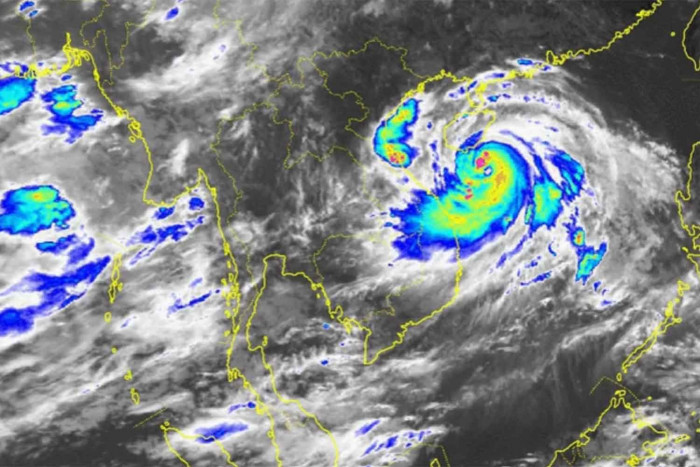
Typhoon Kajiki’s Path: What You Need to Know for Thailand & Beyond
typhoon Kajiki is currently traversing the South China Sea, and its eventual weakening into a low-pressure system will bring meaningful weather changes to Thailand and surrounding regions. Here’s a breakdown of what you can expect, based on the latest meteorological data.
Currently, the typhoon is located approximately 450 kilometers southeast of Vinh city in Vietnam as of Sunday afternoon. It’s projected to make landfall in northern Vietnam, diminishing to a tropical storm by Monday.
However, the story doesn’t end there. Kajiki will continue its journey, evolving into a depression by Tuesday morning as it moves across Laos. it’s expected to reach Thailand’s Nan province as a low-pressure system Tuesday evening.
Impact on Rainfall – What to Prepare for:
Heavy rainfall is anticipated across the upper Northeast of Thailand from Sunday through Tuesday.
The North will experience increased rainfall from Monday to Wednesday.
Provinces directly in the storm’s path are at the highest risk.
Specifically, be aware if you are in any of these provinces:
bung kan
Chiang Mai
Chiang Rai
Lampang
Lamphun
Loei
Mae Hong Son
Nakhon Phanom
Nan
Nong Bua Lam Phu
Nong khai
Phayao
Phrae
Sakon Nakhon
Udon Thani
Uttaradit
I’ve found that staying informed about localized weather alerts is crucial during these events.Remember to monitor updates from your local authorities.
While the core impact will be felt in the North and Northeast, the storm will also have indirect effects.Expect some weather disturbances in the East and on the western side of the South.
Staying Safe & Informed:
It’s crucial to remember that even a weakening storm can bring substantial rainfall and potential disruptions. Here’s what you can do to prepare:
monitor Local Forecasts: Stay updated with the latest weather reports from reliable sources.
Secure Your Property: Ensure lose objects are secured, and be prepared for potential flooding.
Travel with Caution: if you’re planning to travel in affected areas,check road conditions and consider postponing if necessary.
* Be Aware of Flash Floods: Heavy rainfall can lead to rapid flooding, especially in low-lying areas.
Ultimately, understanding the path and potential impacts of Typhoon Kajiki allows you to proactively prepare and stay safe. Remember, being informed is your best defense against severe weather.


