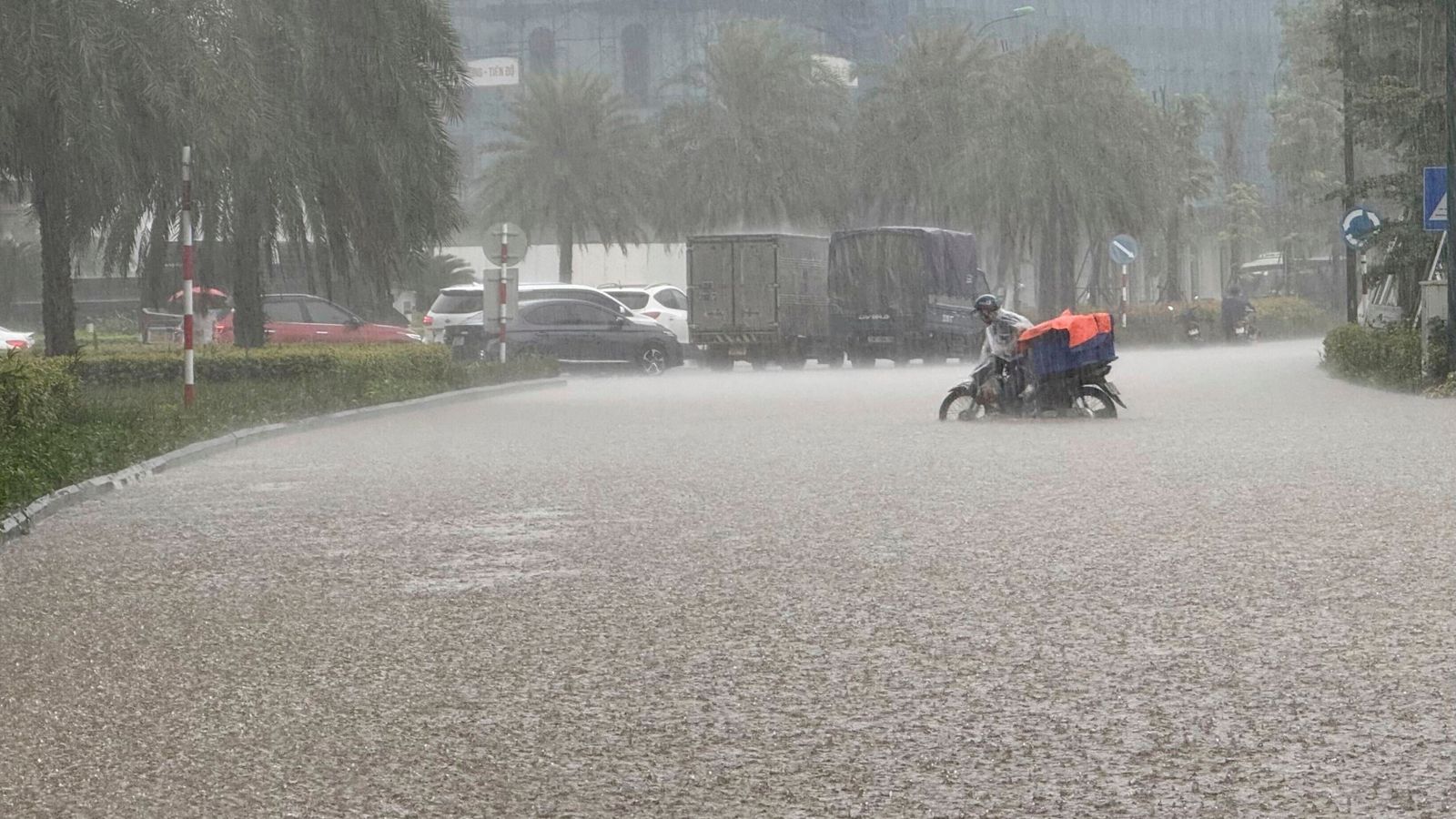
Vietnam and southeast Asia Brace for Impacts of Tropical Depression Kajiki
Vietnam’s extensive coastline along the South China Sea frequently experiences severe storms, tragically leading to devastating floods and landslides. Recent weather patterns have brought another challenge: Tropical Depression Kajiki, the remnants of a powerful typhoon that impacted multiple nations across Southeast Asia.
kajiki’s Path and Initial impact
Originally Typhoon Kajiki, the storm made landfall in central Vietnam on Monday afternoon. It has since weakened as it moved westward into Laos, but the threat remains significant. Authorities warned that northern Vietnam could receive up to six inches of rainfall within a six-hour period, heightening the risk of flash floods and landslides.
You might recall last year’s Typhoon Yagi, which tragically claimed 300 lives and caused approximately $2.4 billion in damage – Kajiki was initially forecast to be even stronger. Thankfully, the rapid weakening after landfall mitigated some of the potential devastation.
Regional Warnings and Preparations
The impact wasn’t limited to Vietnam. China’s hainan Island, a popular holiday destination, saw trees damaged and buildings impacted as residents sought shelter on Sunday evening. Thankfully, the emergency response level was downgraded on Monday morning.
Further south, Thailand is also on alert. Residents in foothills and low-lying areas near waterways have been warned about the potential for flash floods and landslides through Wednesday due to anticipated heavy rainfall.
Vietnam: Focus remains on flash flooding and landslides in northern regions.
China (Hainan Island): Damage assessment and recovery efforts are underway.
* thailand: Proactive warnings issued for vulnerable communities.
Understanding the Risks and Staying Safe
These events underscore the vulnerability of Southeast Asia to extreme weather. If you live in or are traveling to this region, understanding the risks and taking precautions is crucial.
Here are some steps you can take to stay safe:
- Stay Informed: Monitor local weather reports and heed warnings from authorities.
- Evacuate if Advised: Don’t hesitate to evacuate if an evacuation order is issued. Your safety is the top priority.
- Secure Your Property: If you’re not evacuating, secure loose objects around your home and prepare for potential power outages.
- Be Aware of landslide Risk: If you live in a hilly or mountainous area,be especially vigilant for signs of landslides,such as cracks in the ground or unusual sounds.
- Avoid Floodwaters: Never attempt to walk or drive through floodwaters. Even shallow water can be dangerous.
These storms serve as a stark reminder of the power of nature and the importance of preparedness. By staying informed and taking appropriate precautions, you can significantly reduce your risk and protect yourself and your loved ones.