
The Shifting Sands of US Foreign policy: A Critical Look at Trump’s Approach and Future Challenges
The current landscape of US foreign policy is marked by a complex interplay of rhetoric and reality, particularly under the Trump administration. While President Trump often presents himself as an anti-war figure, a closer examination reveals a pattern of escalating military spending and unwavering support for key allies, raising questions about the true direction of his foreign policy agenda. This analysis delves into these contradictions,the implications of continued military aid to Israel,and the vulnerabilities exposed by US reliance on foreign resources like rare earth minerals.
Decoding Trump’s Foreign Policy: Rhetoric vs.Reality
President Trump’s pronouncements often suggest a skepticism towards prolonged military engagements. He’s voiced concerns about the costs of foreign wars and hinted at a desire to bring troops home. However,this rhetoric doesn’t consistently translate into policy.
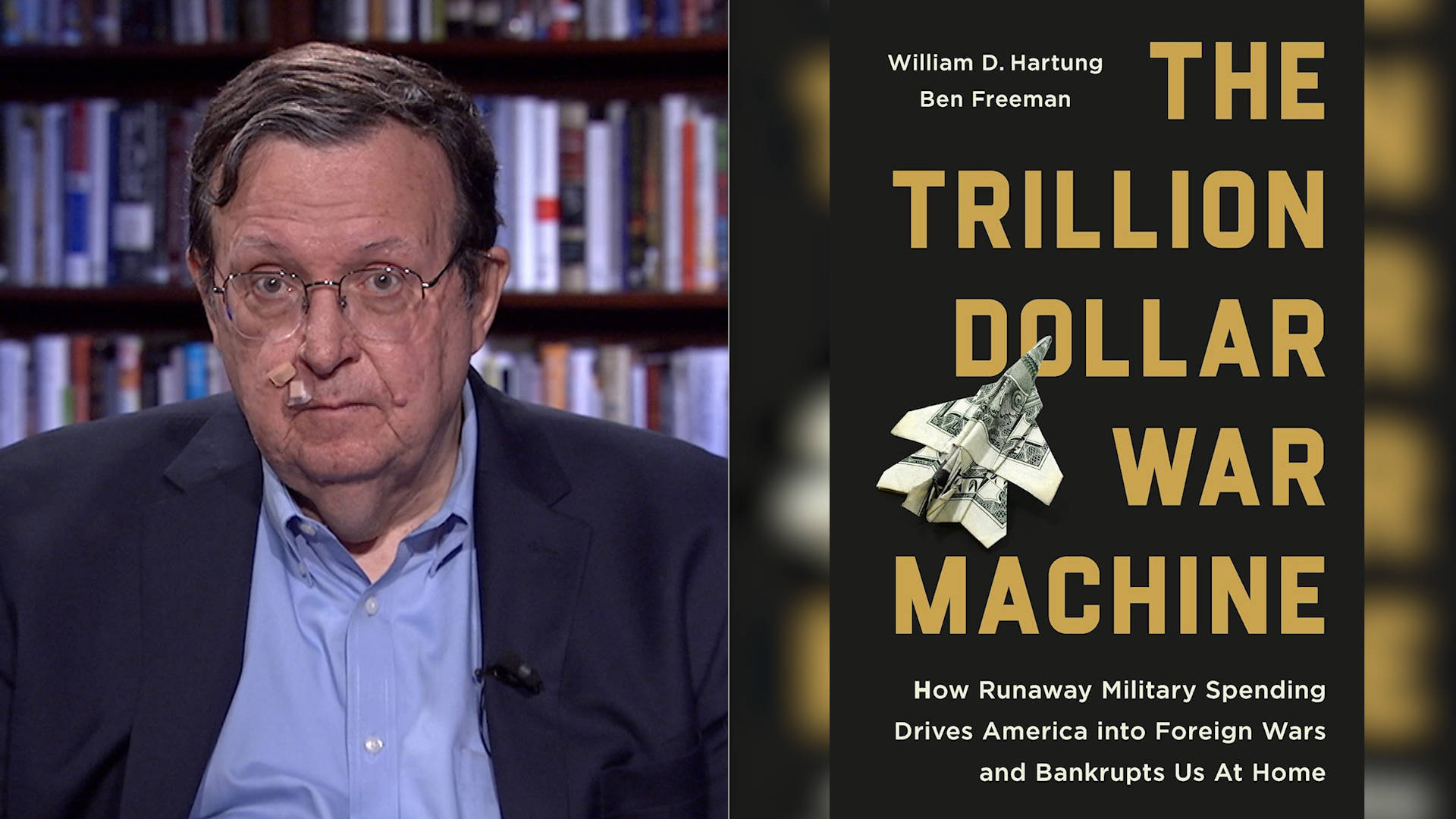
As William Hartung, Senior Research Fellow at the Quincy Institute for Responsible Statecraft, points out, the administration continues to increase funding for nuclear weapons. This disconnect suggests a strategic calculation: maintaining a tough-talking image for a segment of his base wary of conflict, while simultaneously bolstering the military-industrial complex – a powerful political ally.
This approach can be characterized as erratic, yet purposeful. It allows Trump to appease different factions within his support base, even if it means contradicting his own stated goals.
The Perpetual Client: US Aid to Israel and Regional instability
A recent Axios report highlighted Israel’s pursuit of a new 20-year security agreement with the United States, seeking at least $4 billion annually in military aid. This request isn’t simply about maintaining the status quo; it’s about solidifying a long-term, financially-backed commitment to Israeli actions in the region.
Hartung warns this agreement risks permanently tying the US to potentially destabilizing policies. Historically, US aid to Israel allowed for the development of its domestic arms industry. A renewed agreement, particularly under the Trump administration, is likely to reinstate this practice, further entrenching the US in israeli foreign policy.
This has dangerous precedents. The bombing of Iran during US-Iran negotiations, followed by Trump’s support and downplaying of the event, demonstrates the potential for escalation and the erosion of diplomatic efforts. Continuing down this path risks fueling conflict and undermining US interests in a stable Middle East.
* Key Concerns:
* Perpetual financial commitment to Israeli actions.
* Reinstatement of aid for Israeli arms industry development.
* Escalation of regional conflicts.
* Undermining diplomatic initiatives.
The Rare Earth dilemma: Exposing US Vulnerabilities
The ongoing trade war with China has brought to light a critical weakness in the US military-industrial complex: its dependence on rare earth minerals. These materials are essential for manufacturing advanced weaponry and other crucial technologies.
China currently dominates the global supply of rare earths, giving it significant leverage. This reliance directly contradicts the Trump administration’s vision of a self-sufficient “garrison state.”
Hartung emphasizes that complete self-sufficiency has never been a realistic goal for the US, even at the height of its power.Trump’s promise of a fully self-reliant military-industrial base is, thus, a fallacy. This dependence isn’t just an economic issue; it’s a national security vulnerability that could severely hamper US military capabilities.
* Implications of Rare Earth Dependence:
* Undermines the concept of a self-sufficient military.
* Creates a strategic vulnerability exploitable by China.
* Highlights the interconnectedness of the global economy.
* Challenges the feasibility of Trump’s “America First” policy.
Looking Ahead: A Call for Reassessment
The contradictions within the Trump administration’s foreign policy, coupled with the vulnerabilities exposed by reliance on foreign resources, demand a critical reassessment of US strategic priorities. Continuing on the current trajectory risks escalating conflicts, undermining diplomatic efforts, and weakening US national security.
A more responsible approach requires:
* Prioritizing diplomacy: Investing in diplomatic solutions over military intervention.
* Reducing military spending: Reallocating resources towards domestic needs and addressing the root causes of conflict.
* Diversifying supply chains: Reducing dependence on single-source suppliers for critical materials.
* Increased openness: Bringing security agreements and aid packages out of the shadows and into public scrutiny.
Ultimately, a sustainable




![Plant-Based Holiday Recipes: Reinventing Traditions | [Year]](https://i0.wp.com/media.ebony.com/sytwmfsyue/uploads/2025/12/19/Photo-1-Cropped-e1766439335936.jpg?resize=330%2C220&ssl=1 "Plant-Based Holiday Recipes: Reinventing Traditions | [Year]")


