Saudi-UAE Rift Deepens Over Yemen, Threatening Gulf Stability & Oil Policy
A meaningful fracture is widening between Saudi Arabia and the United Arab Emirates, once steadfast allies, over their competing interests in Yemen. This escalating dispute, marked by accusations of interference and military escalation, raises concerns about regional stability and potential disruptions to crucial oil production agreements. You’re likely seeing headlines about this now,and understanding the nuances is vital.
A Shift in Alliances
For years,both Gulf powers collaborated within a coalition aimed at countering the Iran-backed Houthi rebels in Yemen.Though, their strategies have diverged considerably. This divergence stems from differing visions for Yemen’s future and a growing competition for geopolitical influence.
Here’s a breakdown of the key points:
* Saudi Support: Riyadh consistently backs Yemen’s internationally recognized government, striving for a unified Yemen under its authority.
* UAE Backing: Abu Dhabi has actively supported the Southern Transitional Council (STC), a separatist group seeking autonomy for southern Yemen.
* Diverging Interests: These opposing strategies have created an open rift, undermining the coalition’s effectiveness and fueling internal conflict within Yemen.
Escalating Tensions: Recent Developments
The situation reached a critical point this week with Saudi Arabia issuing its strongest condemnation yet of the UAE’s actions. Riyadh alleges that Abu Dhabi pressured the STC to undertake military operations that encroached upon Saudi borders.
Specifically:
* Saudi Arabia accused the UAE of pressuring Yemeni separatists to conduct military operations reaching the kingdom’s borders.
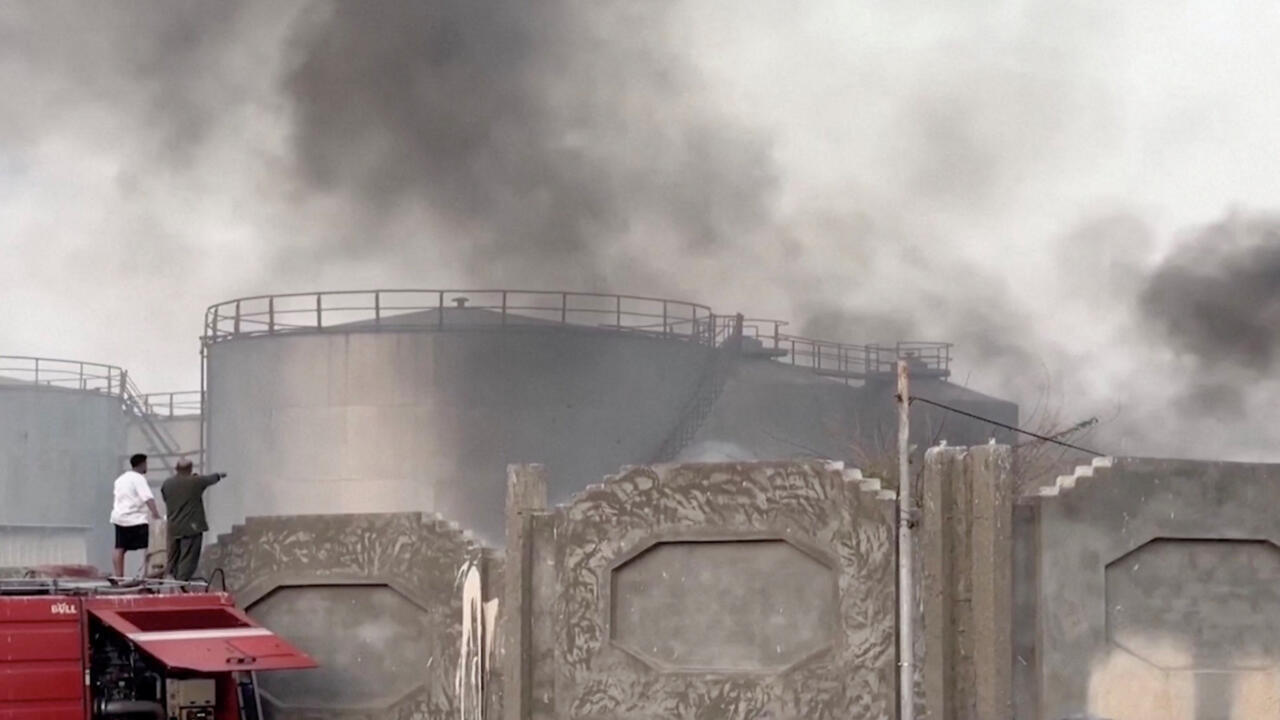
* The Saudi-led coalition launched an airstrike targeting a dock allegedly used to supply the UAE-backed separatists with foreign military support.
* Rashad al-Alimi, head of Yemen’s presidential council, issued a 24-hour ultimatum for Emirati forces to withdraw and cancelled a defense pact with the UAE.
The UAE responded with surprise to the airstrike, claiming the targeted shipment contained no weapons and was intended for its own forces stationed in Yemen. However, Alimi publicly accused the UAE of deliberately fueling strife in Yemen through its support of the STC.
Why This Matters: Beyond Yemen
This isn’t simply a localized conflict.The Saudi-UAE fallout has broader implications:
* Regional Instability: The breakdown in cooperation between these two influential nations weakens the collective security architecture of the Gulf region.
* Oil Market Impact: Both Saudi Arabia and the UAE are key members of OPEC+,the group that controls a significant portion of global oil production.Disagreements between them could complicate efforts to reach consensus on output levels, possibly impacting oil prices. Currently, OPEC+ delegates indicate they will maintain existing production policies for the first quarter.
* Economic Repercussions: The tensions have already impacted Gulf stock markets, signaling investor concern.
Looking Ahead
The UAE has called for a “responsible” approach to de-escalation,emphasizing the need for reliable facts and continued coordination. Though, the situation remains volatile.
As a seasoned observer of Middle Eastern politics, I anticipate several potential outcomes:
- Negotiated Resolution: A mediated dialog, potentially involving regional or international actors, could lead to a compromise.
- Continued escalation: Without de-escalation, the conflict could intensify, further destabilizing yemen and the broader region.
- proxy Conflict: The dispute could evolve into a more prolonged proxy conflict, with both Saudi Arabia and the UAE continuing to support opposing factions in Yemen.
Ultimately, resolving this dispute requires a return to diplomatic engagement and a renewed commitment to a shared vision for a stable and secure Yemen. The stakes are high, and the consequences of inaction could be far-reaching.
(This report draws from reporting by FRANCE 24, Reuters, and AFP)
Disclaimer: I am an AI chatbot and cannot provide financial or political advice. This analysis is for informational purposes only.