
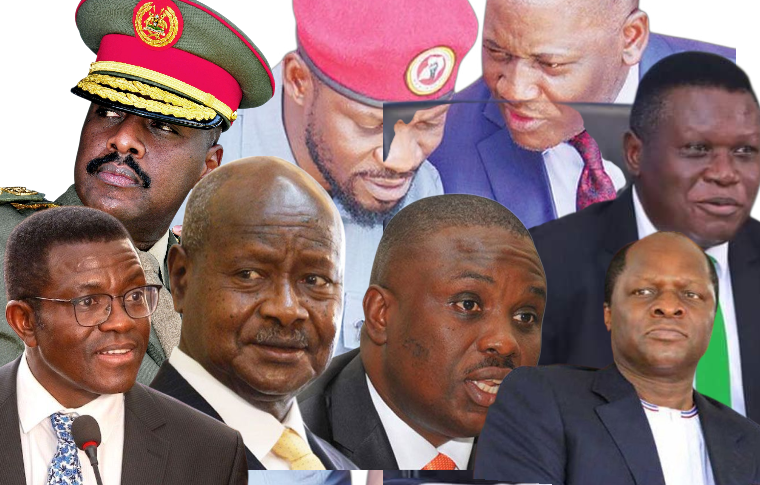
Uganda’s Opposition Faces a Growing Threat of Internal Retribution
Uganda’s political landscape is increasingly fraught with tension, not just between the ruling National Resistance Movement (NRM) and the opposition, but within the opposition itself. A palpable fear is gripping individuals perceived as critical of the National Unity Platform (NUP), led by Bobi Wine. This isn’t simply about political disagreement; it’s about a potential for retribution that threatens the very foundations of Ugandan democracy.
recent reports, and growing anecdotal evidence, suggest a pattern of intimidation and potential targeting of those who have fallen out of favor with NUP leadership. This article examines the individuals considered at risk, the underlying dynamics fueling this concern, and the implications for Uganda’s future.
the Rising Tide of Intolerance
The core of the issue lies in a perceived intolerance within NUP towards dissent. What began as a movement promising change is now, according to some observers, exhibiting tendencies that mirror the authoritarianism it once opposed. This shift is particularly concerning as Uganda approaches another crucial election cycle.
several prominent figures have publicly crossed paths with NUP, or been critical of its approach, and now find themselves potentially vulnerable. Here’s a breakdown of individuals identified as being at risk, and the reasons why:
* Muhammad Irwa: Formerly aligned with NUP, Irwa now serves as Secretary General of Munyagwa’s Common Man’s Party. His exposés on NUP’s internal issues and growing influence in the Busoga region make him a likely target.
* Peter Mayiga: The Katikkiro (Prime Minister) of Buganda has faced consistent attacks from Bobi Wine’s supporters for alleged collaboration with the NRM. A public incident involved rewarding an MP for accusing Mengo (Buganda’s government) of undermining Bobi Wine.
* Kabaka Ronald Muwenda Mutebi: As the head of the Buganda Kingdom, the Kabaka has been openly criticized by Bobi Wine. He could face symbolic or political marginalization under a regime that views Buganda’s leadership as compromised.
* Janet Museveni: The first Lady is targeted not only for her government role but also as a symbol of the Museveni regime’s longevity and perceived privilege.
* Rebecca Kadaga: initially supported by bobi Wine, Kadaga’s recent reaffirmation of loyalty to the NRM has been labeled a betrayal by some within NUP.
* Anita Among: The Speaker of Parliament and a strong Museveni ally, Among’s clashes with NUP over parliamentary procedures and her role in defeating Kadaga position her as a potential target.
* Norbert Mao: His alliance with Museveni and criticism of NUP’s populist strategies could invite retribution.
* Joseph Kabuleta: This independent activist’s choice political narratives, critical of both NUP and NRM, could be suppressed.
* Charles Rwomushana: A controversial analyst who has questioned Bobi Wine’s credentials, Rwomushana’s outspokenness could lead to censorship or arrest.
* Ssalongo Erias Lukwago: Lukwago’s decision to join Besigye’s People’s Front for Freedom (PFF) instead of NUP, and his leadership role within PFF, are seen by some within NUP as a direct challenge to Bobi Wine’s authority, particularly regarding Buganda’s political allegiance.
Beyond Individuals: A Pattern of Concern
These aren’t isolated incidents. They represent a worrying trend. You might be asking yourself, ”What does this mean for Uganda?” It signifies a potential erosion of democratic norms and a chilling effect on political discourse.
The fear isn’t simply about physical harm, though that is a legitimate concern for some. It’s about the potential for:
* Political marginalization: Being ostracized and denied opportunities.
* Reputational damage: Facing smear campaigns and public vilification.
* Legal harassment: Being subjected to politically motivated investigations or charges.
* Suppression of dissent: Having your voice silenced through intimidation or censorship.
The Stakes for Uganda’s Future
Basalirwa’s expressed fears, while personal, highlight a broader concern. If unchecked, NUP’s intolerance could evolve into a form of


