
The United Kingdom’s economic landscape is facing a pivotal shift as the government signals a desire for closer alignment with the European Union. Chancellor Rachel Reeves has been unequivocal in her assessment, stating that Brexit has not been good for the country, specifically citing negative impacts on economic growth and consumer prices in shops.
Speaking at the London School of Economics on Wednesday, February 12, 2026, Reeves identified stronger trading relations with Europe as the “biggest prize” economically. This shift in strategy comes as the UK continues to battle flatlining economic growth and persistent concerns regarding the cost of living, prompting the government to reconsider its distance from the bloc.
Even as the UK has pursued bilateral trade deals with nations such as India, Korea, and the United States, Reeves argued that these agreements do not compare to the potential gains of better relations with the EU. She noted that the UK trades almost as much with the EU as it does with the rest of the world combined, suggesting that further integration is the most viable path toward boosting growth.
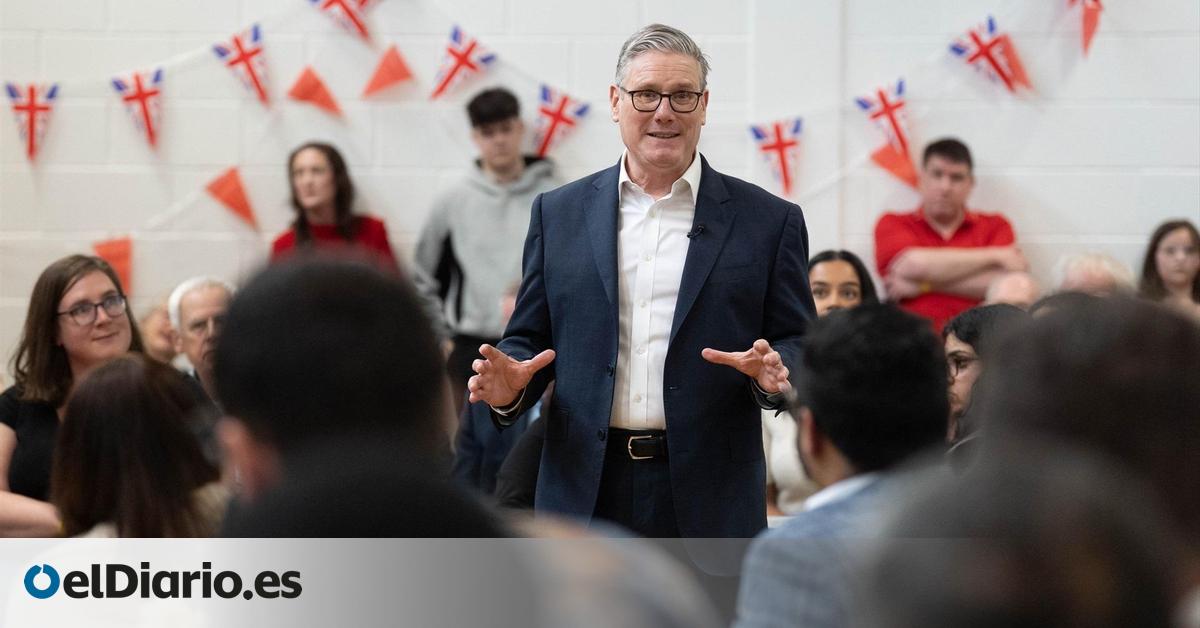
To facilitate this transition, Prime Minister Sir Keir Starmer is preparing a bill that would grant ministers the authority to bring the UK into alignment with EU law. The primary objectives of this legislative move are to reduce bureaucratic paperwork for businesses and stimulate national economic growth.
The Economic Case for EU Alignment
The push for closer ties is rooted in the tangible economic pain reported by the private sector. Rachel Reeves revealed that in recent discussions with a supermarket executive and the head of a major conglomerate, both leaders emphasized that Brexit has caused significant economic distress. While these large corporations have felt the impact, the Chancellor noted that the challenges are even more acute for small businesses.

The government’s current approach acknowledges that while the 2016 vote to leave the EU is a settled matter—with Reeves stating “that ship has sailed”—there is significant room to improve trading relations. The strategy now focuses on alignment where it serves the national interest, aiming to remove barriers that currently hinder business operations to improve trading relations.
This direction is part of a broader effort by ministers to draw a clear dividing line between the current administration and political entities like Reform UK. Government officials have intensified their critiques of the Brexit process, suggesting that the economic fallout was more severe than many critics had originally predicted.
Comparing Global Trade Priorities
A central point of the government’s current economic strategy is the prioritization of the European market over other global partnerships. Although the UK remains active in pursuing deals with the US and India, the Chancellor has clarified that the scale of the EU market remains unparalleled.
According to Reeves, “The biggest prize is clearly with the EU,” and she emphasized that the government is “up for” the further alignment required to achieve deeper integration. This stance follows suggestions from other cabinet ministers that rejoining a customs union could provide substantial economic benefits, though the current focus remains on removing trade barriers and aligning laws to ease the burden on businesses as Labour seeks closer ties.
Key Economic Drivers for Alignment
- Price Stability: Addressing the increase in “prices in the shop” attributed to the exit from the EU.
- Growth Stimulation: Combating flatlining economic growth through increased trade efficiency.
- Business Efficiency: Reducing paperwork and regulatory hurdles via the alignment of national and EU laws.
- Market Volume: Leveraging the fact that EU trade is nearly equal to the rest of the world’s combined trade volume.
Political Friction and Opposition
The move toward the EU has not been without political controversy. The Shadow Chancellor, Sir Mel Stride, has accused the government of attempting to “row back on Brexit.” Stride argued that the current economic hardships are the result of the Labour government’s “poor choices” rather than the specific terms of the departure from the EU negotiated by the previous Conservative administration.
Despite this opposition, the government views the move as a “political argument we can win.” The administration believes that the economic necessity of alignment outweighs the political risks associated with revisiting the Brexit legacy.
The Chancellor’s focus on the EU is expected to be a primary theme of her upcoming Mais Lecture in the City of London. In addition to the case for closer ties with the bloc, the lecture is expected to cover regional growth and the role of artificial intelligence in the UK’s economic future.
As the government moves forward with legislation to align UK law with EU standards, the focus remains on the pragmatic goal of reducing costs for businesses and lowering prices for consumers. The next major step will be the progression of Sir Keir Starmer’s bill through the legislative process to grant ministers the necessary powers for alignment.
We invite our readers to share their perspectives on the UK’s economic trajectory and the potential for EU alignment in the comments section below.