
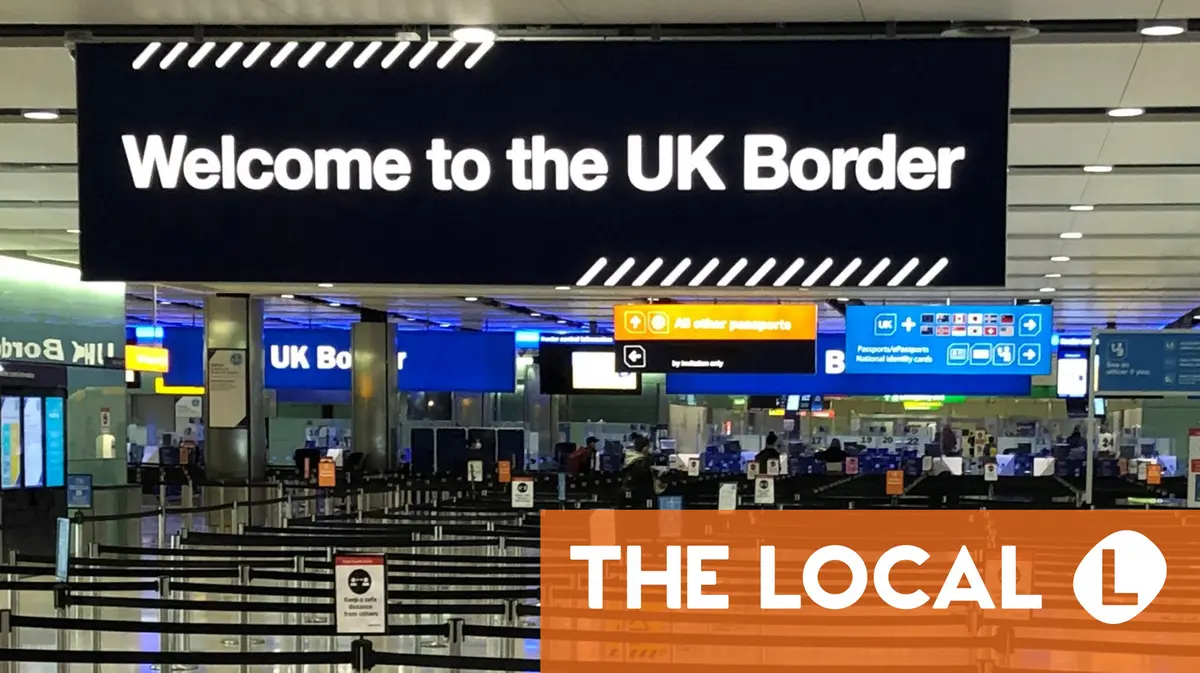
Navigating UK Entry with Dual Nationality: A Comprehensive Guide to the ETA Scheme
The new Electronic Travel Authorisation (ETA) scheme for entering the UK has created notable confusion, particularly for dual nationals.If you hold both British citizenship and the citizenship of another country, understanding the rules is crucial to avoid travel disruptions.This guide breaks down the complexities, offering clarity and practical advice based on the latest information.
READ ALSO: how to avoid ETA scams for France-UK travel
The Core Issue: Conflicting Advice & System Limitations
The UK government’s guidance on ETAs for dual nationals has been, frankly, inconsistent. This has led to widespread anxiety and uncertainty among those with multiple citizenships. The core problem lies in how the ETA application system interacts with dual nationality status.
simple Cases: Using Your UK Passport
If you possess a valid UK passport and another country’s passport, the advice is straightforward. Always use your UK passport when travelling to the UK. This avoids the need for an ETA altogether. This is the simplest and most reliable path to entry.
Dual British-Irish nationals have the flexibility to use either passport.
The complication: No Current UK Passport?
What if you’re a British citizen but don’t currently have a valid UK passport – perhaps you’ve never held one? This is where things get tricky.You might reasonably assume you can travel using your other passport and simply apply for an ETA. However, the ETA application process presents a significant hurdle.
Currently, the ETA website and app appear to be designed to require you to conceal your British nationality to successfully obtain an ETA. This is a problematic situation, as deliberately misrepresenting your citizenship could have legal ramifications.
Understanding Your Rights: UK Law vs. System Functionality
UK law doesn’t mandate that dual nationals use their UK passport to enter the country, unlike the rules in the United States. You should legally be able to enter with your other passport and complete the ETA process. However, the system’s limitations create a practical barrier.
The Shifting Sands of Government Advice
Adding to the confusion, the UK government has repeatedly altered its guidance.Here’s a snapshot of the current, often contradictory, messaging:
* British Embassy in Sweden: States that “Dual British citizens must have a valid British passport when travelling to the UK.”
* UK Government Factsheet: “Strongly advises” having a valid British passport, warning that lacking one could lead to being “denied boarding.”
* ETA Page for Dual Citizens: Warns that after February 25th, 2026, you “may not be able to board your transport to the UK without a valid document.” It also mentions ”additional identity checks” at passport control.
* Home Office Statement (April): Acknowledges potential difficulties at boarding or the border for those without a valid UK passport or Certificate of Entitlement, advising them to make arrangements now.
Your Options & Associated costs
If you don’t have a current UK passport, you essentially have two options:
- Obtain a UK Passport: Currently costs £108 when applying from outside the UK. Allow several weeks for processing.
- apply for a Certificate of Entitlement: A significantly more expensive option at £550. This also takes weeks and may require an in-person visit to a visa processing center.
What Does This Mean for You?
The situation is far from ideal. here’s a breakdown of what you should do, depending on your circumstances:
* If you have a valid UK passport: use it.This is the simplest solution.
* If you don’t have a UK passport and plan to travel before February 25th, 2026: Attempt to travel with your other passport and apply for an ETA, understanding you may encounter issues. Be prepared to explain your situation to airline staff and border officials.
* **If you don’t have a UK passport and plan to travel after February 25th,


