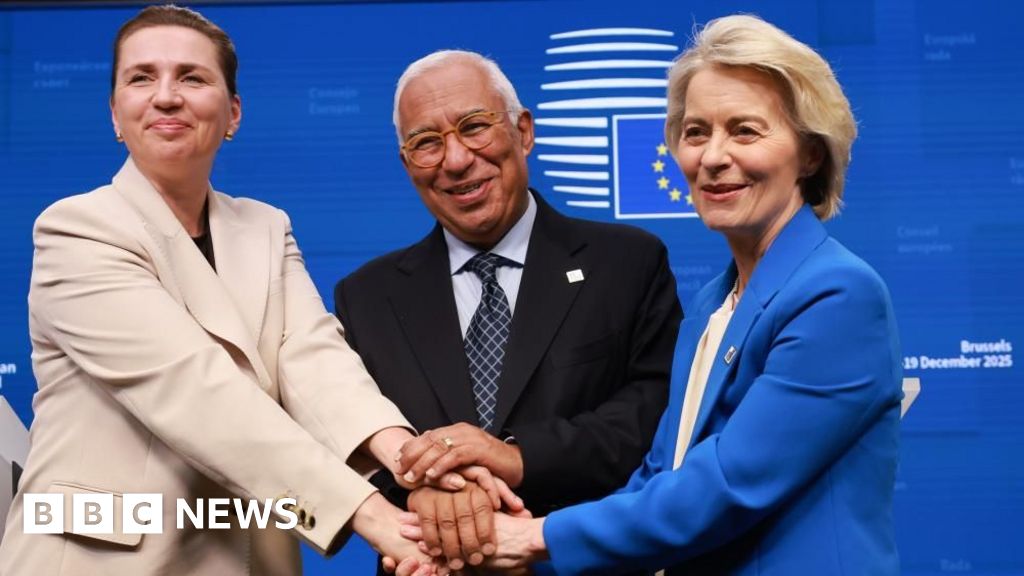
Divisions Emerge Among European Leaders Over Further Aid to Ukraine as Peace Talks Progress
A growing rift is appearing within the European Union regarding continued financial support for Ukraine, even as diplomatic efforts to resolve the conflict with Russia gain momentum. Recent discussions highlight differing perspectives on the viability of providing further loans to Kyiv,alongside ongoing negotiations involving the United States.
Viktor Orbán, the Prime Minister of Hungary, publicly voiced skepticism about additional funding. He characterized the aid as effectively a loss of money, stating, “It looks like a loan, but the Ukrainians will never be able to pay it back.” This sentiment reflects concerns about Ukraine’s long-term economic stability and its ability to repay potential debts.
Robert Fico,the prime Minister of slovakia,echoed orbán’s reluctance to commit further funds. however, Andrej Babiš, the Prime Minister of the Czech Republic, indicated a willingness to support the overall summit conclusions, but only “on condition we don’t guarantee the loans.” this nuanced position demonstrates a desire for cautious engagement and risk mitigation.
US-russia Dialog Intensifies
Concurrently, high-level talks between the United States and Russia are continuing, with both sides suggesting progress toward a potential resolution.President Donald Trump has stated that a solution is “closer than ever,” signaling a renewed push for diplomatic engagement.
Key figures involved in these discussions include Kirill Dmitriev, an envoy for Vladimir Putin, and US representatives Steve Witkoff and Jared Kushner.They are scheduled to meet in Miami this weekend, building on previous discussions. A Ukrainian delegation is also expected to be in Miami for separate talks with US counterparts, following earlier meetings with Kushner and Witkoff, as well as European leaders in Berlin.
European Proposals and Russian Response
European nations have put forward a series of proposals aimed at ending the conflict. These include the establishment of a multinational force to provide “robust security guarantees” for Ukraine. However, Putin has criticized the European approach, asserting that he had already made several concessions during a meeting with Trump in Alaska last August.
He praised Trump’s “serious efforts to end this conflict” and placed the onus on Western nations and the Ukrainian government to accept a resolution. Initial US peace plans reportedly align with many of Putin’s demands, including the potential transfer of Ukrainian territory.
Seeking a Balanced Resolution
Polish Prime Minister Donald Tusk expressed optimism that the recent EU agreement strengthens Ukraine’s negotiating position. He believes there is “a chance that these negotiations will be about peace not on Russian terms, but on terms that can somehow be accepted and considered acceptable by all parties to this conflict.”
French president Emmanuel Macron also advocated for renewed dialogue with Putin. He stated that re-engaging with the Russian leader would be “useful” for Europe and Ukraine, suggesting a timeframe of “coming weeks” for initiating these discussions.
What does this mean for you?
As these complex negotiations unfold, understanding the shifting dynamics between key players is crucial. You can stay informed by following credible news sources and analyzing the evolving positions of each nation involved. The outcome of these talks will have significant implications for regional stability and the future of Ukraine.
This situation is fluid,and further developments are expected as diplomatic efforts continue. Its a critical moment, and the path forward remains uncertain.