
Navigating Ukraine’s Corruption Crisis: A Deep Dive into recent resignations
Recent events in Ukraine have shaken public trust,as both the energy and justice ministers resigned amidst allegations of a meaningful corruption scandal. This comes at a particularly vulnerable time for the nation, grappling with widespread power outages resulting from ongoing Russian attacks. Understanding the details of this Ukraine corruption case, its implications, and the broader context of anti-corruption efforts is crucial. This article will explore the scandal,its potential consequences,and what it means for Ukraine’s future.
The Allegations: A $100 Million Kickback Scheme
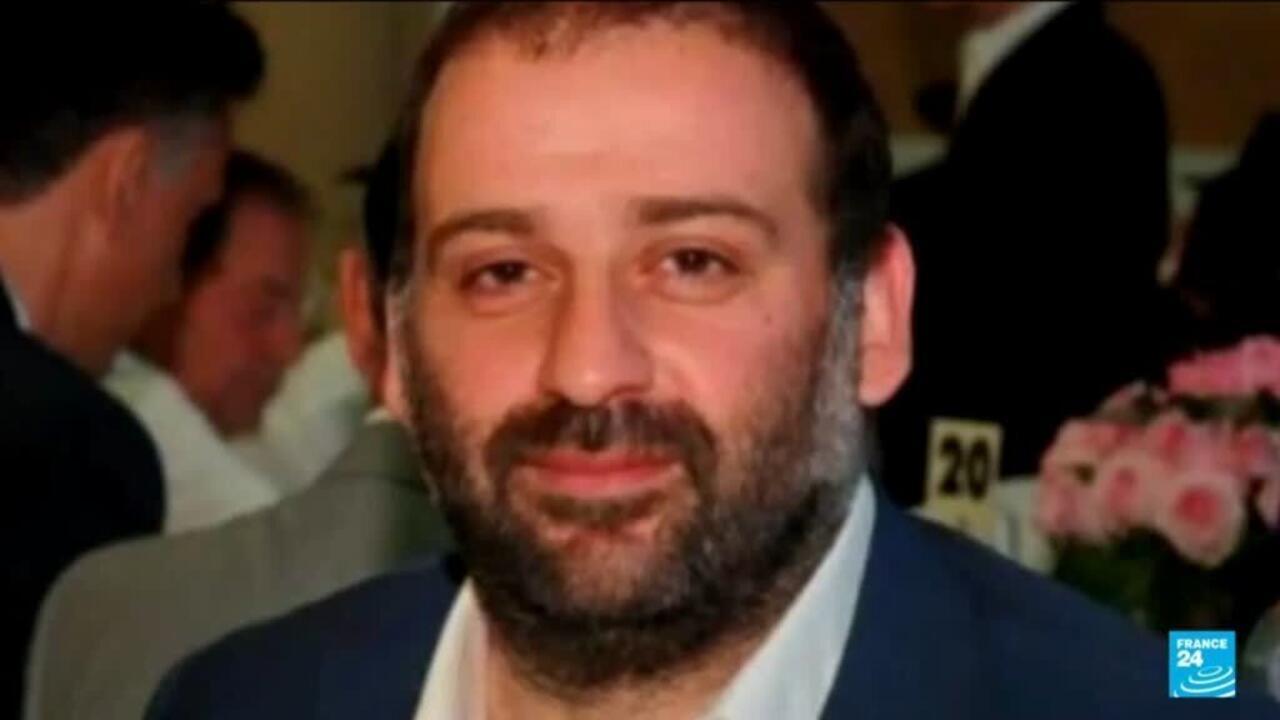
Investigators allege a close ally of President Volodymyr Zelensky orchestrated a scheme involving approximately $100 million in kickbacks.Specifically, the accusations center around the siphoning of funds within Ukraine’s energy sector. This alleged scheme involved manipulating procurement processes and inflating contracts to funnel money to individuals connected to the government. The timing of these revelations,coinciding with a period of national hardship due to Russian infrastructure attacks,has understandably fueled public outrage.
This isn’t an isolated incident. Ukraine has historically struggled with systemic corruption,hindering its economic advancement and democratic progress. The current administration has pledged to tackle this issue, but these recent allegations raise serious questions about the effectiveness of those efforts. Related terms like political corruption in Ukraine and Ukrainian government scandal are trending as citizens demand accountability.
understanding the Impact & Current Situation
The resignations of the energy and justice ministers are a direct response to the mounting pressure from the public and international partners. These departures signal a willingness, at least on the surface, to address the allegations seriously.However, simply removing officials isn’t enough. A thorough and transparent investigation is paramount to uncovering the full extent of the corruption and holding those responsible accountable.
Several key questions remain:
* What specific mechanisms were used to facilitate the alleged kickbacks?
* Who else was involved in the scheme, beyond the identified ally of the President?
* What steps are being taken to prevent similar incidents from occurring in the future?
The situation is further complicated by the ongoing war with russia. The conflict has created a climate of instability and increased opportunities for corruption, as resources are diverted and oversight is weakened. The need for swift justice and demonstrable progress in combating Ukraine’s energy sector corruption is more critical than ever.
A History of Corruption & Recent Anti-Corruption Efforts
Ukraine’s struggle with corruption is deeply rooted in its history. Following independence in 1991, the country experienced a period of economic upheaval and political instability, creating fertile ground for illicit activities. For years, Ukraine consistently ranked low on Clarity International’s Corruption Perception Index.
However, in recent years, Ukraine has made some progress in tackling corruption.The establishment of the National anti-Corruption Bureau of Ukraine (NABU) and the Specialized Anti-Corruption prosecutor’s Office (SAPO) were significant steps forward. These institutions have been instrumental in investigating high-profile corruption cases. According to a recent report by the Council of Europe (November 2023), while progress has been made, significant challenges remain, particularly in ensuring the independence of anti-corruption institutions and securing convictions. https://www.coe.int/en/web/corruption
Furthermore, Ukraine’s pursuit of EU membership has added another layer of pressure to accelerate anti-corruption reforms. the EU has made it clear that progress on this front is a key condition for accession. This external pressure, combined with growing domestic demand for accountability, is driving a renewed focus on combating governmental misconduct in Ukraine.
Practical Steps for Increased Transparency
What can be done to strengthen Ukraine’s anti-corruption efforts? Here are a few actionable steps:
- Strengthen Institutional Independence: Ensure that NABU and SAPO are fully independent from political interference.
- Enhance Transparency in Public Procurement: Implement open and competitive bidding processes for all government contracts.
- Increase Asset Declarations: Require public officials to disclose


