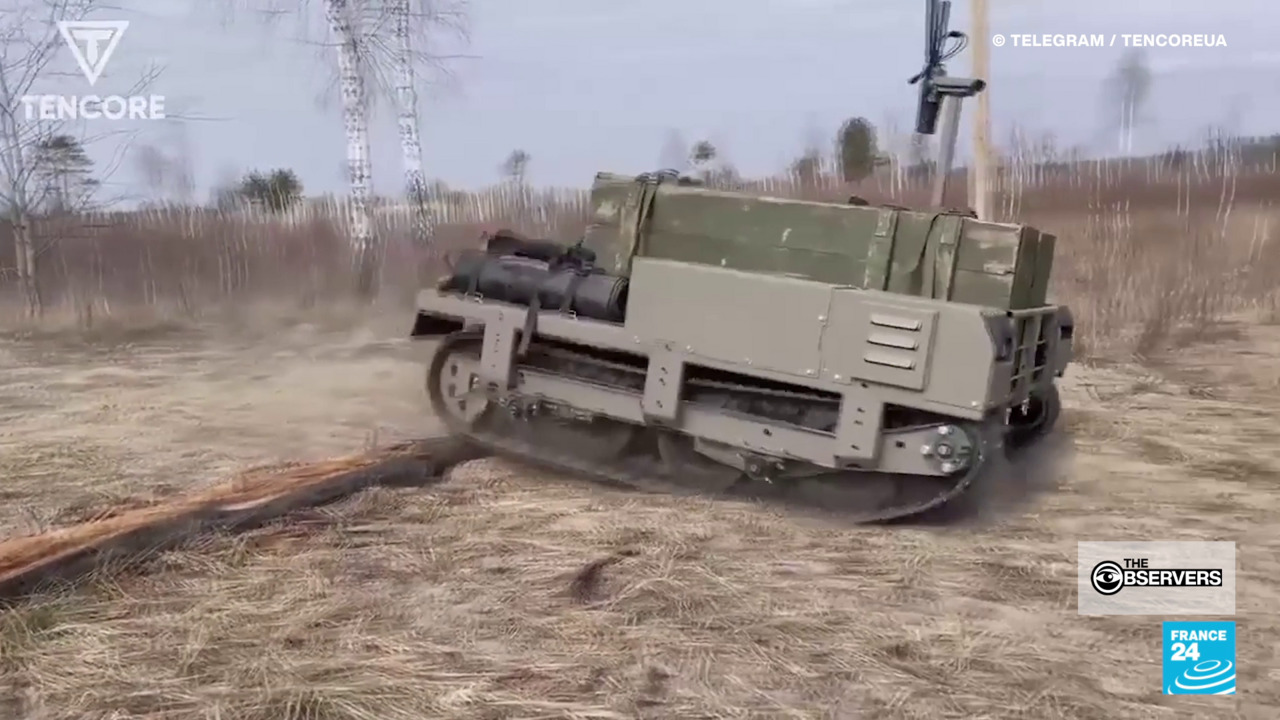
Ukraine’s Ground Drones: A New Battlefield Necessity
The conflict in Ukraine has rapidly evolved, showcasing not only the dominance of aerial drones but also the critical, emerging role of their terrestrial counterparts. From fortified underground bunkers, Ukrainian forces are increasingly relying on remote-controlled ground vehicles – often wheeled or tracked - to navigate the treacherous front lines. These drones are proving essential for logistical support and, crucially, for rescuing wounded soldiers.
The Rising Peril at the Front
Movement for Ukrainian soldiers near the front is becoming increasingly risky. Russia is escalating its use of aerial drones,posing a meaningful threat to personnel. Consequently, minimizing troop exposure has become paramount, driving the development and deployment of these ground-based robotic systems.
These terrestrial drones undertake vital missions, including:
* Delivering essential supplies like food and ammunition.
* Evacuating casualties from the immediate combat zone to safer rear areas.
* Reducing the risk to human soldiers in high-threat environments.
While more expensive and less readily available than aerial drones, their utilization is steadily growing.
Logistics: the Primary Mission
According to Kate Bondar, a researcher at the Center for Strategic and International Studies, logistics represent the vast majority of ground drone operations. ”From my conversations with the Ukrainian military, it’s from 60 to 70 percent of missions,” she explains.
Typically, these drones are transported close to the combat zone via pickup truck. Then, they autonomously navigate the final stretch to deliver supplies directly to the soldiers who need them.
Starlink: Enabling Remote Operation
The widespread adoption of terrestrial drones in Ukraine is largely thanks to starlink, SpaceX’s satellite internet service. Starlink provides the necessary connectivity to control these devices from distances of up to 100 kilometers. This extended range is critical for operator safety.
Challenges and Limitations
However,these ground drones aren’t without their drawbacks. Most operate on battery power, which generates heat – a detectable signature for enemy drones. Moreover, their relatively slow speed makes them vulnerable to aerial attacks.
another significant hurdle is the cost of manufacturing. Unlike the increasingly ubiquitous and affordable First-Person view (FPV) aerial drones used by both Russia and Ukraine, ground drones require more complex engineering and materials.
Resilience Against Jamming
Despite these challenges, terrestrial drones offer a key advantage over their aerial counterparts: resilience to jamming. When an aerial drone’s connection is disrupted, it falls from the sky.In contrast, a ground drone can simply pause and resume its mission once dialog is re-established. This inherent robustness is a significant benefit in a contested electronic warfare environment.
A Growing Necessity
You can expect to see continued innovation and deployment of terrestrial drones in Ukraine. As the conflict evolves, these robotic systems will likely become even more refined and integrated into the overall battlefield strategy.They represent a crucial step toward minimizing risk to soldiers and sustaining operations in a highly dangerous environment.
Ultimately, the use of ground drones underscores a basic shift in modern warfare - a growing reliance on robotic systems to perform dangerous tasks and enhance operational effectiveness.