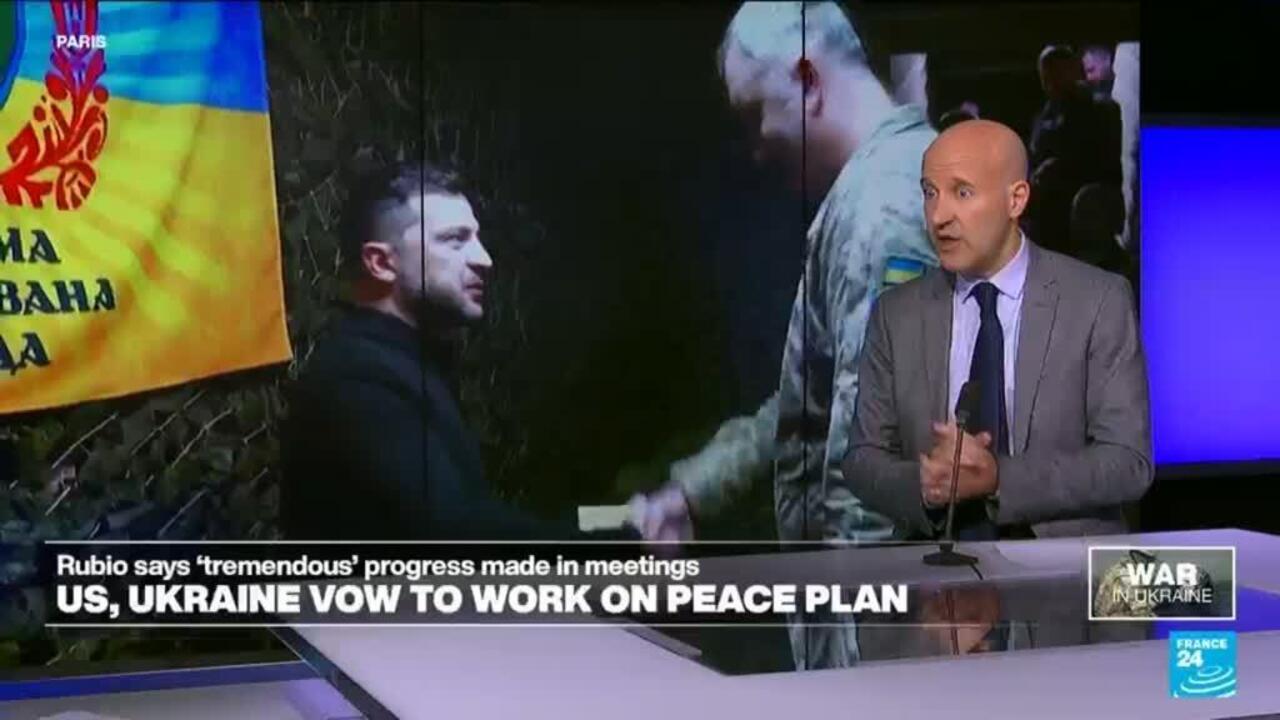
Navigating the Path to Peace: Analyzing the latest Ukraine-Russia Negotiations
Is a resolution to the Ukraine-Russia conflict finally within reach? Recent high-stakes talks in Geneva, involving representatives from the United States, Ukraine, and european nations, have yielded an updated peace framework aimed at ending the nearly four-year war. This progress follows initial criticism of a U.S. proposal perceived as leaning towards Russian interests, signaling a dynamic and evolving negotiation process. Understanding the nuances of this updated plan, and what it means for Ukraine’s future, is crucial.
The evolving Framework for Peace
Initially, a proposed framework set a deadline for Ukraine’s approval – November 27th – to accept a plan designed to halt the conflict. However,this sparked immediate concern,particularly regarding the potential compromise of Ukraine’s sovereignty. Consequently, negotiators swiftly revised the approach.
The updated framework,while details remain closely guarded,emphasizes the full protection of Ukraine’s sovereignty as a non-negotiable condition for any lasting peace. this represents a significant shift, addressing key concerns raised by Kyiv and its allies. It’s a delicate balancing act, requiring concessions from all parties involved.
Key Considerations & Potential Roadblocks
Several critical factors will determine the success of these negotiations. These include:
* Territorial Integrity: The status of Crimea and the Donbas region remains a central point of contention. Ukraine insists on the restoration of its territorial integrity,a position Russia has consistently challenged.
* Security Guarantees: ukraine seeks robust security guarantees from international partners to deter future aggression. This could involve enhanced military aid, NATO membership considerations, or alternative security arrangements.
* Economic Reconstruction: The war has inflicted devastating damage on Ukraine’s economy. A comprehensive peace agreement must include provisions for substantial international assistance to support reconstruction and recovery.
* Neutrality vs. Alignment: The question of Ukraine’s future geopolitical alignment – whether to pursue neutrality or seek closer ties with the West – is a significant sticking point.
* demilitarization: Discussions around demilitarized zones and arms control measures are likely to be part of the negotiations, aiming to reduce tensions and prevent escalation.
Understanding the Stakes: A Look at Recent Impacts
The conflict has had a profound impact on both ukraine and the broader geopolitical landscape. According to a recent report by the United Nations Development Program (UNDP) released in October 2023, approximately 17.6 million people in Ukraine – nearly 40% of the population - are now living in poverty due to the war. https://www.undp.org/ukraine/publications/human-development-report-ukraine-assessment-impact-war This underscores the urgent need for a peaceful resolution.
Furthermore, the war has triggered a global energy crisis and exacerbated food insecurity, particularly in developing countries. The disruption of grain exports from Ukraine, a major global supplier, has driven up food prices and increased the risk of famine.
What Does This Mean for You? (And Ukraine’s Future)
for Ukraine, the stakes are existential. Securing its sovereignty, territorial integrity, and economic future is paramount. For the international community, a stable and secure Ukraine is vital for regional and global stability.
you might be wondering what role you can play.Staying informed,supporting humanitarian organizations working in Ukraine,and advocating for diplomatic solutions are all meaningful ways to contribute.
Actionable Steps Towards a Lasting Peace
hear’s a breakdown of what needs to happen next:
- Continued Dialogue: Maintaining open communication channels between all parties is essential.
- Confidence-Building Measures: Implementing measures to reduce tensions and build trust, such as prisoner exchanges and ceasefires, can create a more conducive habitat for negotiations.
- International Mediation: The involvement of neutral mediators can help bridge the gap between conflicting positions.
4.