Ukraine’s Escalating Counter-Offensive: Analyzing Recent Drone Strikes and Retaliatory Measures
The conflict in Ukraine has entered a new phase characterized by intensified aerial warfare, with both Russia and Ukraine increasingly targeting critical infrastructure deep within each other’s territories. Recent overnight Russian drone attacks on power facilities in northern and southern Ukraine have left nearly 60,000 customers without electricity, prompting a resolute response from Ukrainian President Volodymyr Zelenskyy, who has vowed retaliatory strikes within Russia. This escalation marks a meaningful shift in the dynamics of the 3.5-year-long war, demanding a detailed analysis of the strategic implications, technological aspects, and potential future trajectories. This article will delve into the specifics of these attacks, the evolving strategies employed by both sides, and the broader geopolitical context.
The Recent Wave of Attacks: A Detailed Breakdown
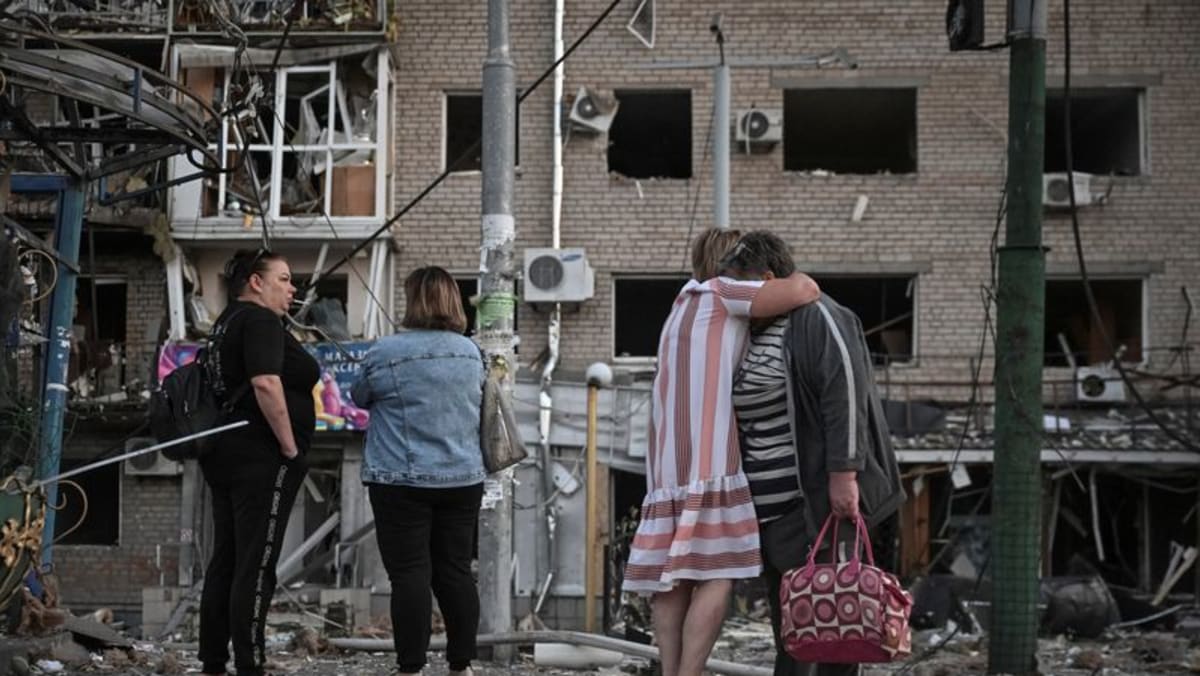
The latest series of attacks, occurring on August 31st, 2024, focused heavily on Ukraine’s energy infrastructure. DTEK,Ukraine’s largest private energy company,reported that four energy facilities in the Odesa region were targeted by Russian drones. This resulted in approximately 29,000 people losing power, with the port city of Chornomorsk experiencing significant damage to both residential and administrative buildings. Oleh Kiper,the governor of the Odesa region,confirmed that critical infrastructure is currently relying on generator power and one individual sustained injuries.
Did You Know?
Ukraine’s air defense systems have reportedly intercepted a significant percentage of incoming drones and missiles, but the sheer volume of attacks is straining resources and creating vulnerabilities. Recent reports suggest a 70-80% interception rate, but this fluctuates based on the type of attack and available defenses.
Beyond the power grid, a civilian bulk carrier flagged in Belize sustained minor damage after striking an unidentified explosive device near the strategically vital port. This incident highlights the growing risk to commercial shipping in the Black Sea, potentially disrupting global trade routes and exacerbating economic pressures. These attacks are consistent with Russia’s strategy of degrading Ukraine’s ability to sustain its war effort and its economy through the winter months.
Ukraine’s Retaliatory Strategy: Deep Strikes and Shifting Tactics
President Zelenskyy’s proclamation of “new deep strikes” inside Russia signals a significant escalation in Ukraine’s counter-offensive strategy. While details remain scarce, this move suggests a shift away from primarily defensive operations towards a more proactive approach aimed at disrupting Russian logistics, military production, and command-and-control capabilities. Ukraine has already demonstrated its ability to reach targets within Russia, notably with attacks on oil refineries and pipelines.
Pro Tip:
Understanding the range and capabilities of the drones used by both sides is crucial. Ukraine is reportedly utilizing domestically produced drones with increasing range and payload capacity, while Russia relies on a mix of Iranian-made Shahed drones and domestically manufactured models like the Lancet.
These attacks on Russian energy infrastructure are likely intended to:
Reduce Russia’s Revenue: Disrupting oil production and refining capabilities directly impacts Russia’s economic resources fueling the war. Strain russian Defenses: Forcing Russia to divert resources to defend its own territory weakens its offensive capabilities in Ukraine.
Demonstrate Resolve: Sending a clear message to Russia that Ukraine is willing and able to strike back, potentially influencing future negotiations.
However, such actions carry inherent risks, including potential escalation and the possibility of drawing NATO more directly into the conflict.
The Technological Landscape of Aerial Warfare in Ukraine
The current phase of the conflict is heavily reliant on unmanned aerial vehicles (UAVs), commonly known as drones.Both russia and Ukraine are employing a diverse range of drone technologies for reconnaissance, attack, and electronic warfare.
Russian Drones: Primarily utilize iranian-made Shahed-136 and Shahed-131 drones, known for their relatively low cost and ability to saturate air defenses. Russia also employs the Lancet loitering munition for precision strikes.
Ukrainian Drones: Increasingly relying on domestically produced drones, such as the “Sea Baby” maritime drone and various land-based models with extended ranges.Ukraine is also adapting commercial drones for military purposes.
Counter-Drone Technology: Both sides are investing heavily in counter-drone systems, including electronic warfare (EW) equipment, radar systems, and kinetic interceptors. The effectiveness of these systems varies depending on the type of drone and the sophistication of the





![Season 1 Finale Review: [Show Name] Delivers a Stunning Conclusion](https://i0.wp.com/consequence.net/wp-content/uploads/2025/12/pluribus-episode-9-finale-rhea-seehorn-2.jpg?resize=330%2C220&ssl=1 "Season 1 Finale Review: [Show Name] Delivers a Stunning Conclusion")