
The Human Cost of Conflict: A Ukrainian Advocate Pleads for Global Solidarity
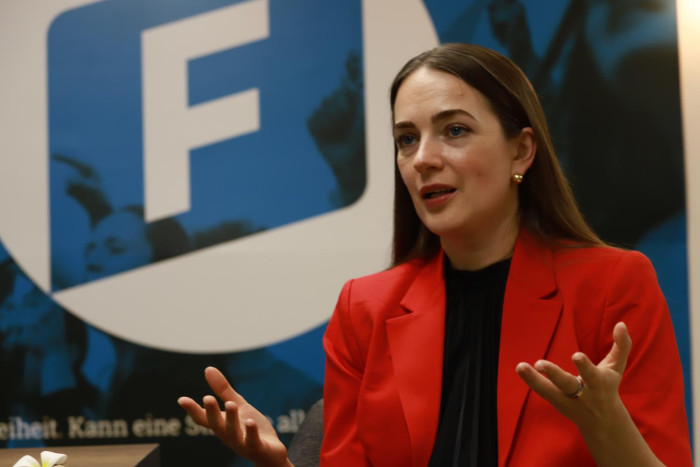
The war in Ukraine is not simply a geopolitical struggle over territory and resources; it is a brutal assault on humanity, a systematic attempt to erase a nation’s identity, and a crisis demanding a far more robust international response focused on the suffering of its people. This was the impassioned message delivered by Oleksandra Matviichuk, a leading Ukrainian human rights advocate, during a recent visit to Thailand, urging Asian nations to amplify the humanitarian dimensions of the conflict and actively support Ukraine’s fight for survival.
Matviichuk, a figure deeply embedded in the realities of the war, didn’t shy away from detailing the harrowing experiences endured by Ukrainian civilians. Her testimony, rooted in personal hardship and extensive on-the-ground observation, paints a stark picture far removed from the often-abstract discussions dominating international peace talks. She sharply criticized the current focus on minerals, territorial claims, and geopolitical maneuvering, arguing that these considerations overshadow the fundamental human rights violations occurring daily.
The Crisis of Abduction and Detention
A central focus of Matviichuk’s appeal was the plight of Ukrainian children. Ukrainian officials estimate that approximately 20,000 children have been forcibly removed to Russia, a number Matviichuk believes is a significant underestimate. These children are not simply being relocated; they are being systematically separated from their families, placed in Russian institutions, and subjected to a deliberate campaign of cultural erasure – being told they are no longer Ukrainian. While over 1,000 have been returned in the past two years,the scale of the abduction represents a profound humanitarian tragedy and a potential generational loss for Ukraine.
Beyond the abduction of children, tens of thousands of Ukrainian civilians remain detained in occupied territories, facing an uncertain fate. Matviichuk implored international pressure to ensure their humane treatment and eventual release,highlighting the widespread reports of disappearances,torture,and systemic denial of identity. This isn’t merely a matter of political negotiation; it’s a fundamental breach of international law and a moral imperative.
Expanding Ukraine’s Reach: Building Connections in Asia
recognizing the influence of Russian narratives in many parts of the world,Matviichuk emphasized the critical need for Ukraine to build “horizontal connections” with Asian societies. Ukraine is actively expanding its diplomatic presence in the region,recently opening an embassy in the Philippines,but government action alone is insufficient. She urged citizens of countries like Thailand to actively combat disinformation, support truthful reporting, and lend their voices to the cause of Ukrainian freedom.
“We urgently need to build these connections,” she explained, noting the increasing number of Ukrainian artists, MPs, and civil society leaders traveling to Asia to foster understanding and build solidarity. She championed cultural exchanges, sporting events, and academic collaborations as vital avenues for forging these crucial ties. Matviichuk powerfully asserted that ordinary people possess the agency to shape history, drawing inspiration from Ukraine’s remarkable resilience in the face of overwhelming adversity.
Life Under Siege: A Winter of desperation
Matviichuk’s appeal wasn’t limited to abstract calls for action. She offered a visceral account of life in Kyiv,describing the current situation as “the most horrible thing that can happen in human life.” The collapse of normal routines, replaced by constant uncertainty and fear, is compounded by Russia’s deliberate targeting of Ukraine’s energy infrastructure. Millions face a freezing winter without electricity, heating, or water – a “survival issue” where even basic necessities like warming milk for a baby become a desperate struggle.
She recounted her own family’s harrowing experience during the winter of 2022, enduring freezing conditions without essential utilities. Her husband’s attempt to heat their home with bricks in the kitchen served as a chilling reminder of a descent into medieval conditions. However, it was the outpouring of solidarity from neighbors - sharing gas, generators, and food – that ultimately sustained them, demonstrating the power of human connection in the darkest of times.
The Path to Peace: A Fight for Existence
Addressing the question of peace,Matviichuk acknowledged the complexities but remained resolute.Ukraine has proposed unconditional ceasefires, repeatedly rejected by Russia. She argued that the core of the conflict lies in President Putin’s denial of Ukraine’s very existence - its nationhood, language, and culture.
“People in Ukraine dream about peace,” she stated, “But we want peace, not Russian occupation.If we are occupied, we will cease to exist.” This isn’t a territorial dispute; it’s a fight for national survival and the right to self-determination.
In a direct appeal to the Thai people, Matviichuk underscored the universal nature of the struggle. “We are fighting for our children, like every other people in the world. We want them to live without


