
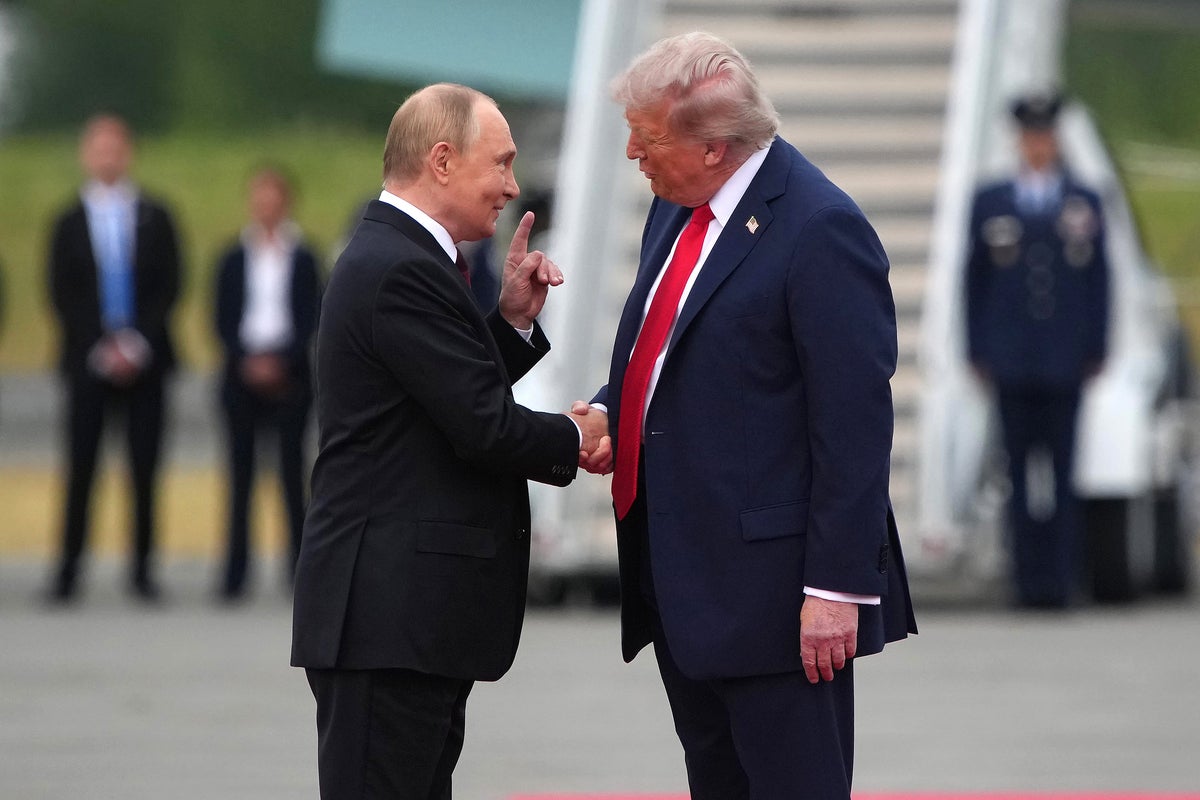
Trump-Linked Plan for Ukraine Peace Sparks Concerns Over Russian Influence
Recent developments surrounding a proposed peace plan for Ukraine, reportedly drafted with input from a sanctioned Russian official, are raising serious questions within the U.S. government and among international allies. The plan, revealed earlier this week, has been met with criticism for appearing to heavily favor Russian interests, prompting concerns about potential undue influence in any future negotiations.
Secret Meeting in Miami Fuels Controversy
At the heart of the matter is a meeting held in late October in Miami between representatives connected to the Trump administration and Kirill Dmitriev, head of Russia’s sovereign wealth fund, the russian Direct Investment Fund (RDIF). Dmitriev is currently under U.S. sanctions following Russia’s full-scale invasion of Ukraine.
Those present at the meeting included special envoy Steve witkoff and Jared Kushner, Donald Trump’s son-in-law. A senior U.S.official confirmed the Trump administration issued a special waiver to allow Dmitriev to enter the country,despite existing sanctions.
This meeting has sparked alarm among U.S. officials and lawmakers. It’s raising questions about the origins and intent behind the 28-point peace plan that emerged from the discussions.
The Proposed Plan: Concessions and Controversy
The plan, as reported by Axios, calls for notable concessions from Ukraine. Details suggest a framework that could potentially undermine Ukraine’s sovereignty and territorial integrity.
Ukrainian President Volodymyr Zelenskyy has already voiced strong opposition, stating he will not compromise Ukraine’s interests. This stance reflects the widespread concern that the plan is heavily tilted towards russia’s objectives.
Here’s a breakdown of the key concerns:
* Perceived Bias: The plan appears to prioritize Russian demands, potentially legitimizing territorial gains made thru aggression.
* Lack of Clarity: The secretive nature of the meeting and the plan’s sudden emergence have fueled distrust.
* Contradiction with Current Policy: The proposal seems at odds with the Trump administration’s recent, more assertive stance towards Moscow, including sanctions on its energy sector.
Dmitriev’s Role and Russian Interests
Kirill Dmitriev is a close ally of Russian President Vladimir Putin and has been a key figure in Russia’s efforts to engage with the U.S. regarding the war in Ukraine. He has met with Witkoff multiple times this year.
It remains unclear whether Dmitriev presented specific Russian demands during the miami meeting and to what extent those demands were incorporated into the final plan. However, his involvement raises legitimate concerns about the potential for Russian influence shaping the proposed peace terms.
What This Means for You and the Future of Ukraine
This situation underscores the complexities of navigating a path to peace in Ukraine. You, as an informed citizen, should be aware of the following:
* Negotiations are ongoing: While this plan has generated controversy, it doesn’t necessarily represent a final offer.Trump himself indicated the proposal is subject to adjustments.
* Allies are wary: European allies and Ukraine have expressed reservations, emphasizing the need for a more balanced approach.
* Transparency is crucial: Open dialog and a clear understanding of all parties’ interests are essential for any viable peace process.
The coming weeks will be critical as the U.S. and its allies assess the proposed plan and determine the best course of action.Continued scrutiny and a commitment to supporting ukraine’s sovereignty will be paramount in achieving a just and lasting resolution to the conflict.
Disclaimer: This article provides analysis based on publicly available details as of November 23, 2025.The situation is rapidly evolving,and further developments may occur.


![Master Lock Comanche: Race Time, Weather & How to Watch | [Year] Update](https://static.ffx.io/images/$zoom_0.5516%2C$multiply_0.7554%2C$ratio_1.777778%2C$width_1059%2C$x_0%2C$y_55/t_crop_custom/q_86%2Cf_jpg/t_metro_live_no_age_social_wm/53c85f551a91ff2c094f35fc9f3bff31abb136bca8acaf39f79f098dd87f56e5 "Master Lock Comanche: Race Time, Weather & How to Watch | [Year] Update")


