The Growing Concern Over Ultra-Processed Foods: A Deep Dive into Health Risks and Paths Forward
For decades, nutritional guidance has focused on macronutrients – fats, proteins, and carbohydrates. Though, a growing body of research is shifting the focus to how food is processed, specifically highlighting the potential dangers of ultra-processed foods (UPFs). This advisory, informed by the American Heart Association and a team of leading experts, explores the rising consumption of UPFs, their impact on health, and crucial steps we can take to mitigate the risks. Understanding this issue is paramount for individuals, healthcare professionals, and policymakers alike.
What are Ultra-Processed Foods?
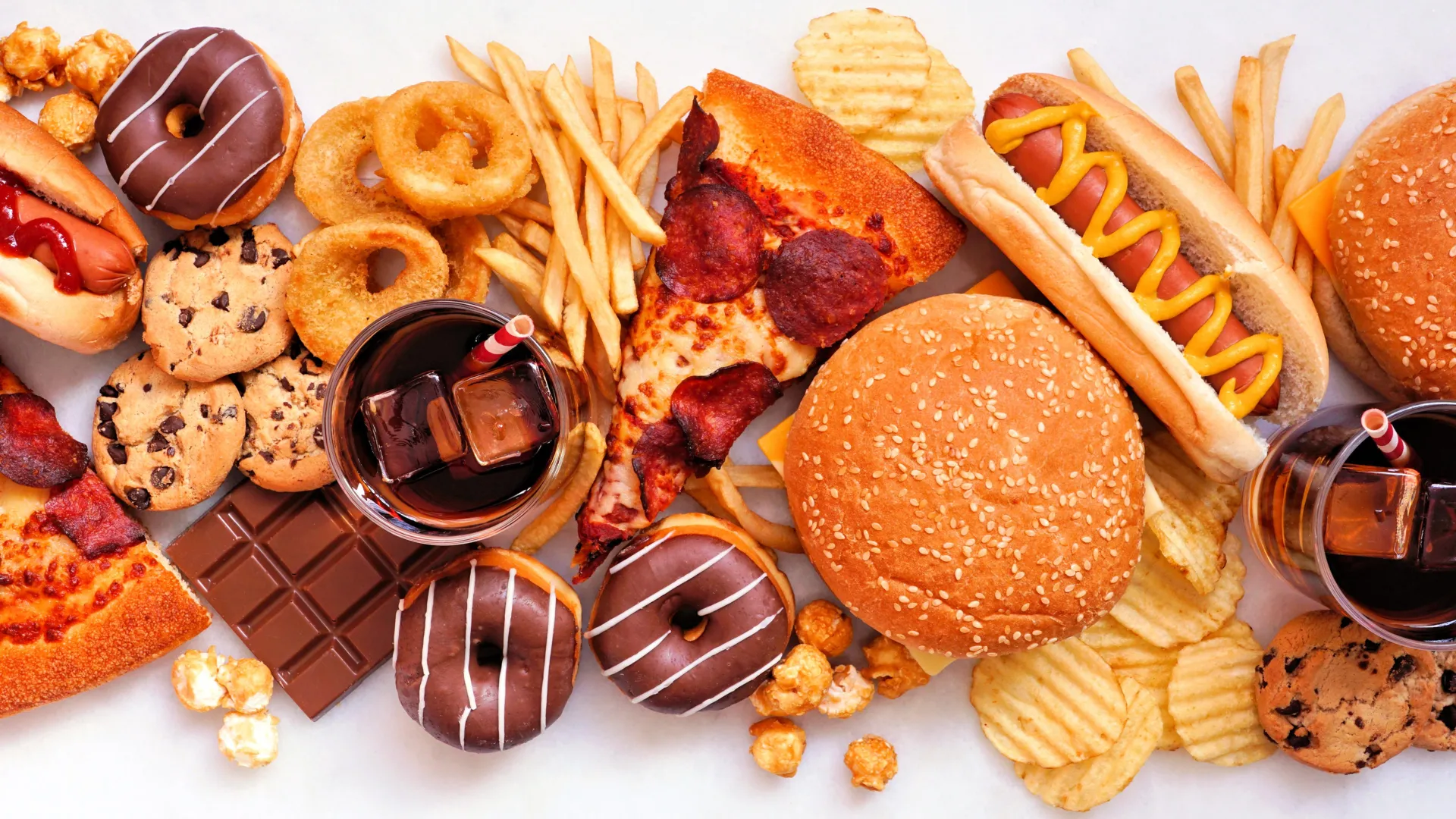
UPFs are industrial formulations made entirely or mostly from substances derived from foods – oils, fats, sugars, starch, and proteins – and additives. They typically contain little to no whole foods. Think packaged snacks, sugary drinks, processed meats, instant noodles, and many ready-to-eat meals. Crucially, they are engineered for palatability and convenience, often at the expense of nutritional value.
Recent data from the National Center for Health Statistics reveals a concerning trend: UPFs now constitute a significant portion of the American diet. A 2023 report showed that over 60% of calories consumed by both youth and adults come from ultra-processed foods, a figure that has been steadily increasing. This widespread consumption is a critical public health concern.The Link Between UPFs and Poor Health
The evidence linking UPF consumption to adverse health outcomes is mounting. Studies consistently demonstrate associations between high UPF intake and:
Obesity: UPFs are often calorie-dense,high in unhealthy fats,added sugars,and sodium,and low in fiber – a recipe for weight gain.
Cardiometabolic Disease: Increased risk of heart disease, stroke, type 2 diabetes, and high blood pressure.
Cancer: Emerging research suggests a potential link between high UPF consumption and increased cancer risk.
Mental Health issues: Some studies indicate a correlation between UPF intake and increased rates of depression and anxiety.
Overall Mortality: Higher consumption of UPFs is associated with a greater risk of premature death.
Why are upfs So Harmful? Unpacking the Mechanisms
The detrimental effects of UPFs aren’t solely attributable to their often-unhealthy ingredients. The ultra-processing itself appears to play a significant role.
UPFs frequently utilize combinations of ingredients and additives not typically found in whole foods. These are designed to maximize palatability – making the food hyper-rewarding and encouraging overconsumption. For example, artificial flavors can mimic sweetness without the presence of sugar, disrupting the natural relationship between flavor and nutrient content. This disruption can lead to irregular eating patterns, cravings, and ultimately, weight gain.
Moreover, the processing itself can alter the food’s structure, making nutrients less bioavailable and potentially creating harmful compounds. research is ongoing to fully understand these complex mechanisms, but the current evidence strongly suggests that ultra-processing is not a neutral process.It’s vital to determine whether the harm stems from the processing itself or simply the unhealthy ingredients commonly found in UPFs - a key area for future research.
What Can Be done? Research, Policy, and Individual Action
Addressing the UPF challenge requires a multi-faceted approach. The American Heart Association recommends the following:
1. Shifting Dietary Patterns: Individuals, food manufacturers, and the retail industry should prioritize a shift towards whole, minimally processed foods.This means increasing intake of:
Vegetables & Fruits: The cornerstone of a healthy diet.
Nuts & Seeds: Excellent sources of healthy fats and nutrients. Legumes: Plant-based protein and fiber powerhouses.
Whole Grains: Provide sustained energy and essential nutrients.
Nontropical Liquid Plant Oils: Olive oil, avocado oil, etc., in moderation.
fish & Seafood: Rich in omega-3 fatty acids.
Low-Fat, Low-Sugar Dairy: Provides calcium and protein.
Lean Poultry & Meats: If desired, as part of a balanced diet.
2. Policy & Systems Change: Effective policies are crucial to create a food environment that supports healthier choices. This includes:
Front-of-Package Labeling: Clear and informative labeling systems can help consumers quickly identify UPFs and make informed decisions.
* Reducing HFSS Marketing: Restricting the marketing of foods high in saturated fat, added sugars, and



![Peripheral Artery Disease: Saving Limbs & Early Detection [Podcast]](https://i0.wp.com/kevinmd.com/wp-content/uploads/Design-1-scaled.jpg?resize=330%2C220&ssl=1 "Peripheral Artery Disease: Saving Limbs & Early Detection [Podcast]")