
For many, the prospect of hemorrhoid surgery is fraught with anxiety, primarily due to fears of intense postoperative pain and lengthy recovery periods. However, medical innovation is shifting toward minimally invasive techniques designed to prioritize patient quality of life. One such advancement is the integration of ultrasound technology to guide surgical precision, offering a more targeted approach to treatment.
According to Dr. Hong Chi-xiang of the Department of Colorectal Surgery at National Taiwan University Hospital, the goal of modern treatment is to align medical interventions with the specific needs and quality-of-life requirements of the patient. This evolution is evidenced by the emergence of Doppler ultrasound-guided hemorrhoidal artery ligation combined with anal mucosal repair, a procedure that represents a trend toward “micro-innovation” in colorectal care.
Hemorrhoids are not an external growth but are structures that naturally exist within the anal canal. Their primary physiological role is to fill gaps during the contraction of the sphincter muscle, which helps maintain bowel control. When the connective tissues supporting these structures degrade or are damaged, the tissue can loosen and prolapse, leading to the hallmark symptoms of swelling, pain, and bleeding.
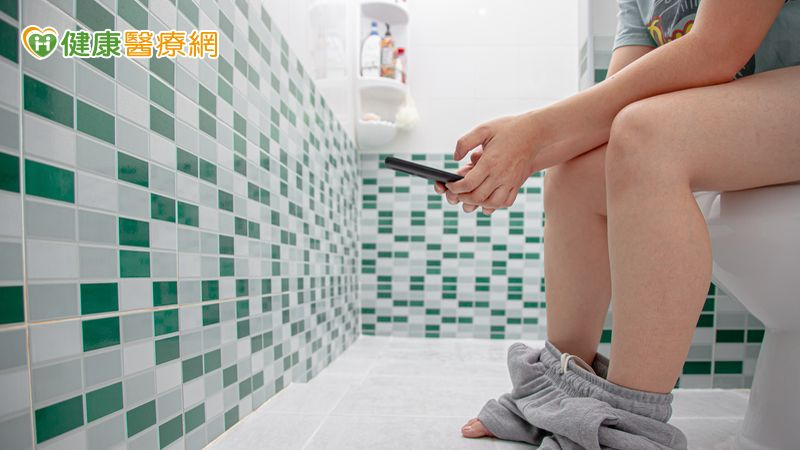
The causes of these conditions vary significantly across different demographics. In older populations, the primary driver is often the natural degeneration of connective tissue due to aging. In contrast, younger patients typically experience hemorrhoids due to lifestyle factors, such as chronic constipation leading to excessive straining during bowel movements or spending prolonged periods of time on the toilet—often exacerbated by the utilize of smartphones.
Understanding the Stages of Hemorrhoid Prolapse
To determine the appropriate course of treatment, clinicians categorize hemorrhoids into four distinct grades based on the degree of prolapse. Understanding these stages is critical for patients to determine whether they require conservative management or surgical intervention.
- Grade 1: No prolapse occurs; the hemorrhoids remain internal.
- Grade 2: The tissue prolapses during bowel movements but returns to the anal canal spontaneously.
- Grade 3: The tissue prolapses during bowel movements and requires manual reduction (the patient must physically push it back in).
- Grade 4: The tissue is permanently prolapsed and cannot be pushed back into the anal canal.
For those in the earlier stages, particularly Grade 1 and 2, “self-help” methods may be appropriate. Dr. Hong notes that techniques such as warm sitz baths and levator ani exercises (kegels) are intended to promote local blood circulation and increase venous return, which helps reduce swelling and discomfort. However, as the condition progresses to Grade 3 or 4, these conservative measures are often insufficient.
The Role of Doppler Ultrasound in Modern Surgery
The shift toward minimally invasive surgery is highlighted by the use of Doppler ultrasound. This technology allows surgeons to precisely locate the hemorrhoidal arteries, facilitating a more accurate ligation process. By combining this guidance with anal mucosal repair, the procedure aims to address the underlying structural failure while minimizing the trauma to surrounding tissues.
This approach is particularly beneficial for high-risk groups who may be more prone to developing hemorrhoids. These include professional drivers, office workers, and teachers who spend long hours sitting or standing. Pregnant women are frequently affected due to increased intra-abdominal pressure, which impairs venous return and induces the swelling of anal tissues.
Why Lifestyle Factors Matter
Medical innovation can treat the symptoms, but preventing recurrence requires addressing the root cause. The “smartphone habit” in the bathroom is a modern contributor to the problem; sitting for extended periods increases the pressure on the anal connective tissues, causing them to be repeatedly stretched and damaged. This mechanical stress, combined with the strain of chronic constipation, creates a cycle of injury and prolapse that can lead to more severe grades of hemorrhoids over time.

Key Takeaways for Patients
| Factor | Older Adults | Younger Adults | High-Risk Groups |
|---|---|---|---|
| Primary Cause | Tissue degeneration/aging | Lifestyle/Bowel habits | Occupational/Physiological |
| Key Triggers | Loss of connective elasticity | Excessive straining, phone use | Prolonged sitting/standing, pregnancy |
| Management | Surgical/Conservative | Behavioral change/Conservative | Pressure management/Surgical |
For those seeking treatment, the current medical landscape offers a spectrum of options ranging from pharmacological aids and physical therapy to advanced ultrasound-guided surgeries. The choice of treatment depends heavily on the grade of the prolapse and the patient’s tolerance for recovery time.
Patients are encouraged to consult with a colorectal specialist to determine their specific grade of prolapse and discuss whether a minimally invasive, ultrasound-guided approach is suitable for their needs. If you have experienced symptoms of prolapse or chronic discomfort, sharing your experience in the comments or discussing these options with a healthcare provider is a recommended next step.