
The stalled Quest for Self-Determination in Western Sahara: A Complex Geopolitical Landscape
The future of Western Sahara remains deeply uncertain, caught in a decades-long dispute between Morocco and the Polisario Front, the region’s independence movement. Recent developments at the United Nations highlight the persistent challenges to achieving a lasting resolution. You might be wondering how this complex situation unfolded and what it means for the people of Western Sahara. Let’s break down the key elements.
A History Rooted in Decolonization
The conflict stems from Spain’s withdrawal from Western Sahara in 1975. Morocco subsequently occupied most of the territory, a move that ignited a struggle for self-determination led by the Polisario Front. Algeria, while not claiming the territory itself, has consistently supported the Polisario’s quest for independence.
This support has manifested recently in efforts to influence a UN Security Council resolution regarding the region’s future. Algeria, currently a member of the Council, requested a 24-hour delay in a vote to attempt revisions to the proposed text.
The unfulfilled Promise of a Referendum
A crucial turning point came in 1991 with the signing of a UN-mediated ceasefire between Morocco and the Polisario Front.This agreement established the MINURSO peacekeeping mission – currently comprised of 226 civilians and 245 military personnel – and promised a referendum on self-determination within a year.
Sadly, that referendum never materialized. Consequently, in 2020, the Polisario Front declared the ceasefire broken, initiating sporadic, low-intensity attacks against Moroccan forces along the defensive wall dividing the territory.
A Divided Territory and Humanitarian concerns
Today, Western Sahara is physically and politically divided. Morocco controls approximately 80% of the territory, while the remaining 20% is held by the Polisario Front. A ample barrier, often referred to as the “wall of sand,” separates these zones.
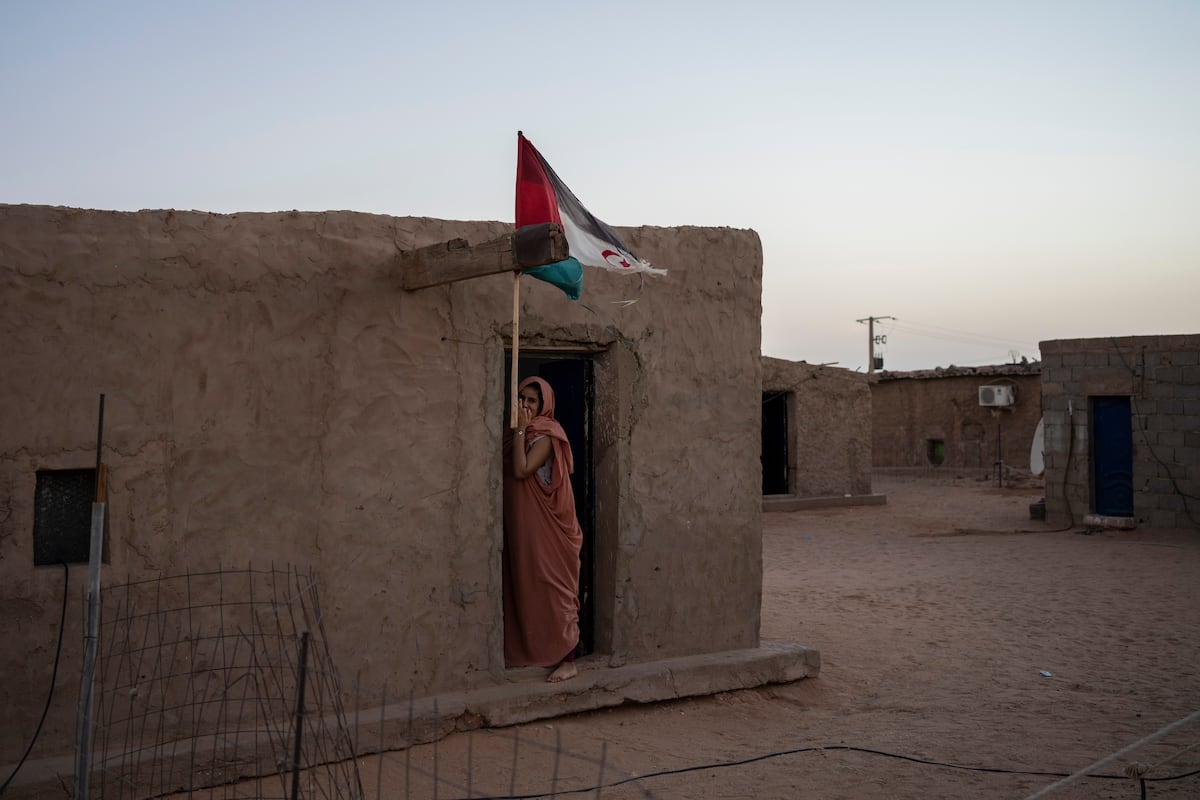
Adding to the complexity, thousands of Sahrawi refugees have resided in camps near tindouf, Algeria, since 1976, facing increasingly dire humanitarian conditions. Their plight underscores the urgent need for a sustainable solution.
International recognition and Shifting Alliances
The international community remains divided on the issue. Currently, over 120 countries support Morocco’s autonomy plan for Western Sahara. Furthermore, around three dozen nations have opened consulates in the territory, implicitly recognizing Moroccan sovereignty.
Though, 84 countries, predominantly African nations, officially recognize the Sahrawi Arab Democratic republic, unilaterally proclaimed by the Polisario Front. The Polisario Front is recognized by the United Nations as a movement of national liberation and maintains representation in countries like Spain.
Recent Legal Challenges and the EU’s Role
Recent legal rulings have further intricate the situation. Last year, the European Court of Justice ruled against extending agricultural and trade agreements between the EU and Morocco to include Western Sahara.
The court specifically recognized the Polisario Front as the “representative of the Sahrawi people,” effectively denying Morocco’s claim of sovereignty over the territory in relation to those agreements. This decision highlights the legal sensitivities surrounding the conflict.
The Polisario Front’s Stance and Future Prospects
The Polisario Front insists on a referendum that includes the option of full independence.They have publicly rejected any political process that doesn’t guarantee the right to self-determination through a vote.
Essentially, they view any other outcome as legitimizing Morocco’s military occupation. As you can see, the path forward is fraught with obstacles, requiring sustained diplomatic efforts and a genuine commitment from all parties to prioritize the well-being and self-determination of the Sahrawi people.
This situation demands continued international attention and a renewed push for a just and lasting resolution.the key lies in finding a solution that respects the rights and aspirations of the Sahrawi people while addressing the legitimate security concerns of all involved parties.





![Malaria Vaccine: Promising Results from First Human Trial | [Year] Update](https://i0.wp.com/cdn.sanity.io/images/0vv8moc6/pharmacytimes/56188e9796c8db0f135d7e1a929a333ddd800440-4663x3109.jpg?resize=150%2C100&ssl=1 "Malaria Vaccine: Promising Results from First Human Trial | [Year] Update")


