A Shift in Climate diplomacy: COP30 Proceeds Without U.S. Participation
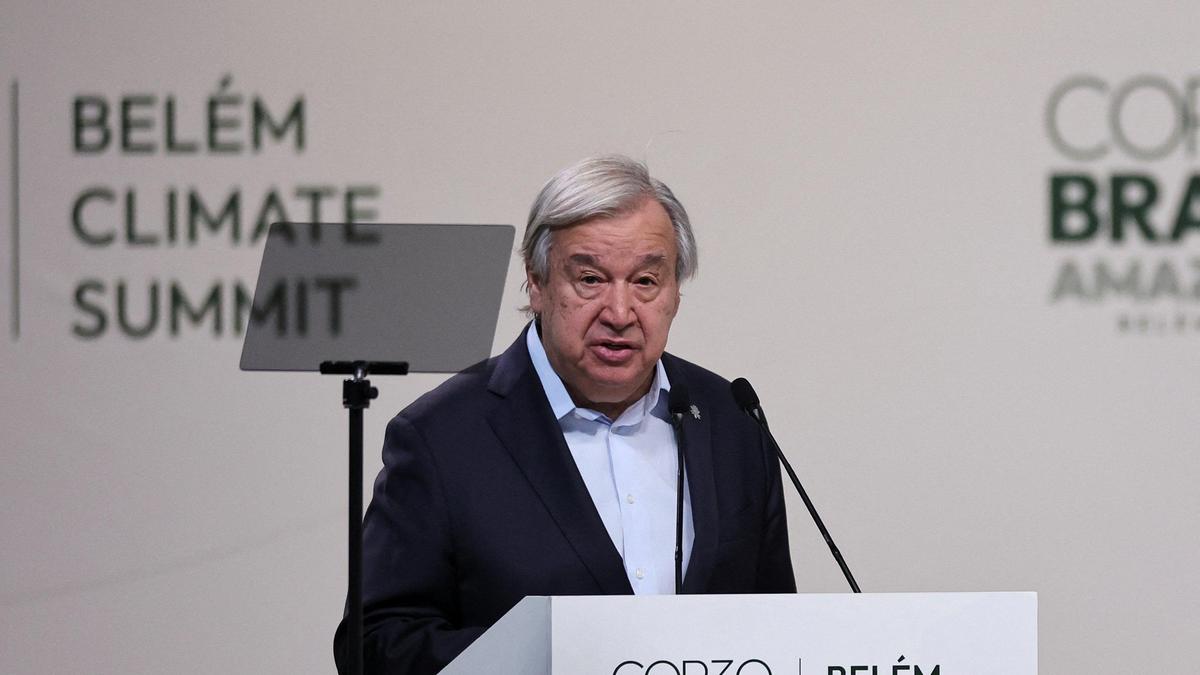
The global climate conversation is unfolding in Belem, Brazil, as COP30 commences, but with a notable absence: the United States. Rather of actively participating in the pivotal summit, top U.S. officials were observed in Greece, simultaneously announcing a new deal with Exxon Mobil to explore for offshore natural gas. This juxtaposition has sparked debate about the implications for international climate action and the potential for a recalibrated approach to multilateralism.
Some analysts believe the U.S. absence could unexpectedly benefit the negotiations. It may create space for countries to engage in discussions without the influence of a single dominant player shaping the outcome.
“Without the U.S. present, we can actually see a real multilateral conversation happening,” explained Pedro Abramovay, vice president of programs at Open Society Foundations and a former Brazilian justice minister.
A New Space for Global Collaboration
Brazil is actively positioning itself as a facilitator of a more equitable and collaborative climate framework. President Lula is engaging in a series of bilateral meetings with key world leaders. He met with Chinese Vice Premier, leaders from Finland and the European Union on Wednesday, and is scheduled to meet with U.K. prime Minister Keir Starmer, French President Emmanuel Macron, and German Chancellor Friedrich Merz on Thursday.
This focus on inclusivity reflects a broader sentiment. Many believe a new form of multilateralism is emerging-one that isn’t dictated by powerful nations to less developed countries.It’s a shift towards a more bottom-up approach, prioritizing the needs and perspectives of all participating nations.
Funding for Forest Conservation: A Key Priority
A central goal for Brazil at COP30 is securing funding for its newly launched Tropical Forest Forever Facility. The country is aiming to raise $125 billion with an initial target of at least $10 billion for the World Leaders Summit. This funding is crucial for initiating conservation efforts and generating sustainable financial support for protecting vital tropical ecosystems.
several nations have already signaled their commitment. China, Norway, and Germany are expected to announce contributions in Belem, following initial investments from Brazil and indonesia.
However,not all pledges have been positive. The united Kingdom, a key architect of the fund’s structure, announced it would not be providing any financial contributions, a move that has been met with disappointment.
Looking Ahead:
* Increased Focus on Equity: The U.S.absence may empower developing nations to advocate for their specific needs and priorities.
* Strengthened South-South Cooperation: Brazil’s leadership could foster greater collaboration between countries in the Global South.
* Funding Challenges Remain: Securing sufficient financial commitments for initiatives like the Tropical Forest Forever Facility will be critical for success.
Ultimately, COP30 presents a unique chance to redefine international climate cooperation. Whether the absence of the United States will hinder or help achieve ambitious goals remains to be seen, but the stage is set for a potentially transformative summit.You can stay informed about the developments as they unfold and consider how your own actions can contribute to a more sustainable future.