
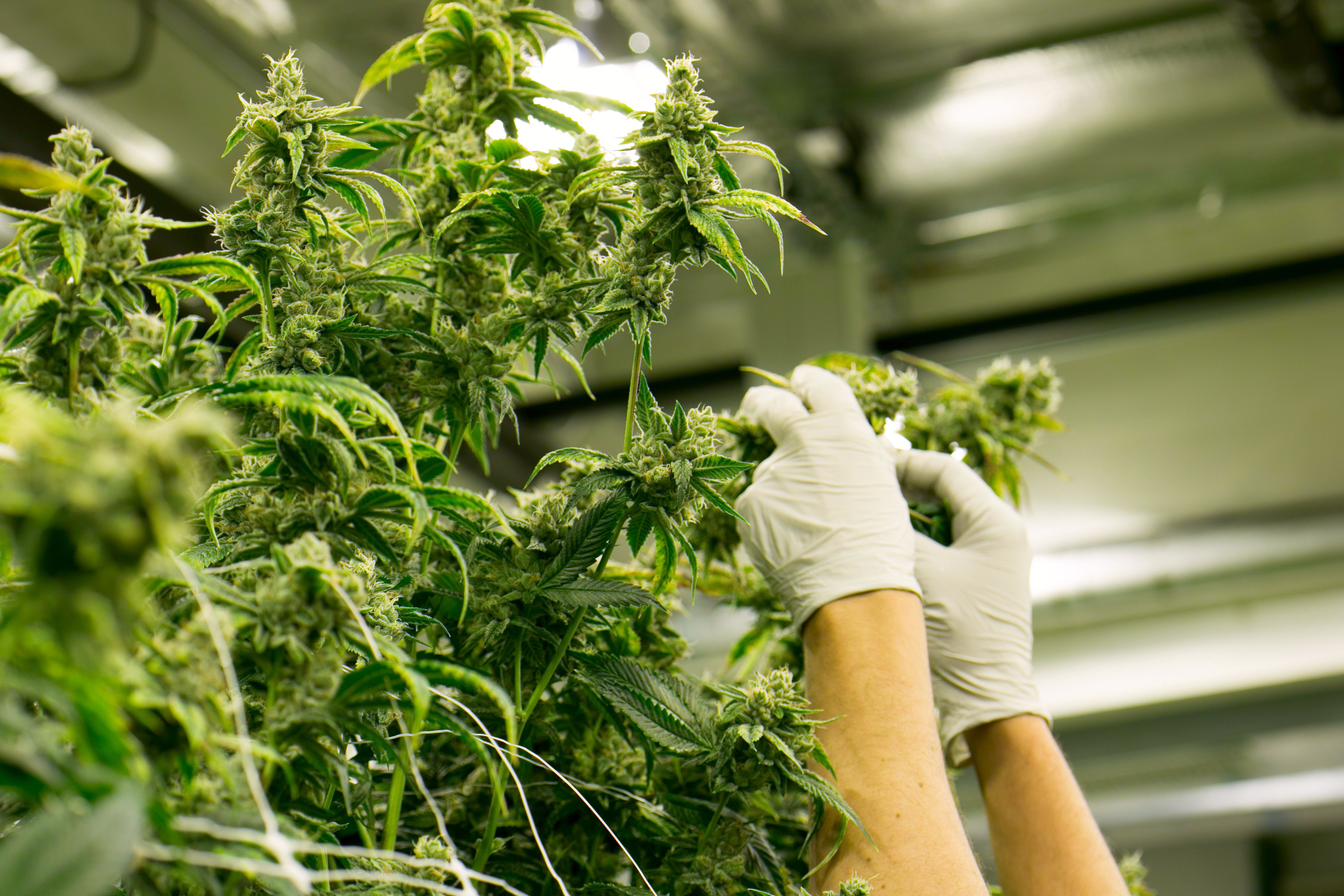
The Complex Link Between Cannabis, Trauma, and Paranoia: A Clinician’s perspective
For years, the conversation around cannabis has been evolving, shifting from blanket condemnation to cautious exploration of potential benefits. However, as healthcare professionals, we must move beyond simplistic narratives and acknowledge the nuanced relationship between cannabis use, notably self-medication, and mental health. Recent research is painting a clearer – and sometimes concerning – picture, especially regarding the interplay of childhood trauma, paranoia, and cannabis consumption.
This article delves into the latest findings, offering a clinician’s perspective on how to best support patients navigating this complex landscape. it’s crucial to understand that cannabis isn’t universally harmless, and its effects are profoundly shaped by individual history and usage patterns.
A Growing Body of Evidence: Trauma,Cannabis,and Paranoia
A landmark study,published in August 2025,represents the largest examination to date into cannabis use and its association with paranoia and mental health challenges within the general population.1 The findings are significant: a clear link exists between experiencing childhood trauma and an increased risk of developing paranoia. Furthermore, cannabis use can exacerbate these effects, with the nature of the trauma playing a critical role.
This isn’t simply correlation; the research suggests a pathway where past trauma predisposes individuals to heightened sensitivity, and cannabis use can lower the threshold for paranoid ideation. This is particularly relevant given the prevalence of self-medication with cannabis for conditions like anxiety and pain – frequently enough rooted in unresolved trauma.Understanding the Neurological Mechanisms: THC and the Brain
The connection between cannabis and paranoia isn’t purely psychological. Research from Oxford University has shed light on the neurological processes at play. In a controlled experiment, 50% of healthy volunteers who received a THC dose comparable to a potent cannabis joint experienced paranoid thoughts, compared to only 30% in the placebo group.3 Importantly, this increase in paranoia wasn’t linked to memory impairment, but rather to perceptual distortions and heightened anxiety.
Professor Daniel Freeman aptly describes paranoia as “excessive thinking that other people are trying to harm us.”3 Even subtle shifts in perception or worry can fuel these thoughts, and THC appears to amplify this tendency. Essentially, THC can disrupt the brain’s ability to accurately interpret social cues, leading to misinterpretations and feelings of threat.
Clinical Implications: What This Means for Patient Care
These findings have significant implications for how we approach patient care, particularly for those seeking relief thru cannabis. Here’s a breakdown of key considerations:
Trauma-Informed Screening: For any patient presenting with paranoia or psychological distress, a thorough assessment of childhood trauma history is essential. Individuals with a history of trauma are demonstrably more vulnerable to adverse mental health outcomes when using cannabis.
Cautious Monitoring of Therapeutic Cannabis Use: Patients utilizing cannabis for therapeutic purposes, especially those engaging in frequent or high-dose use, require close monitoring for signs of paranoia, anxiety, or other psychological distress.
Dose Management & Standardization: The current lack of standardized dosing guidelines for cannabis is a major concern. Introducing a system similar to alcohol – tracking THC consumption in standardized units – could empower patients to manage their intake responsibly. This requires patient education and open communication.
Exploring Safer Alternatives: Pharmacists are uniquely positioned to guide patients who self-medicate with cannabis towards evidence-based therapies for pain, anxiety, and other conditions. referrals to mental health professionals specializing in trauma-informed care are also crucial. Recognizing the Nuance: It’s vital to avoid generalizations. Cannabis affects individuals differently, and the context of use – including pre-existing mental health conditions and trauma history – is paramount.Beyond the Headlines: A Call for Responsible Dialog
The evolving understanding of cannabis demands a responsible and informed dialogue. We must move beyond the simplistic ”good” or “bad” debate and acknowledge the complex interplay of biological, psychological, and social factors.
Recent evidence underscores that how* cannabis is used, particularly when employed as a form of self-medication in the context of past trauma, significantly increases the risk of paranoia and mental health decline.THC, the primary psychoactive component, can directly trigger or amplify paranoid ideation.As healthcare professionals, our role is to provide patients with the facts and support they need to make informed decisions about their health, prioritizing safety and well-being above all else. This requires a commitment to ongoing learning, a trauma-informed approach, and a





![Coastal Retreat: Climate Change Forces Settlements to Move | [Year] Update](https://i0.wp.com/www.futurity.org/wp/wp-content/uploads/2025/12/climate-change-coastal-settlements-1600.jpg?resize=330%2C220&ssl=1 "Coastal Retreat: Climate Change Forces Settlements to Move | [Year] Update")


