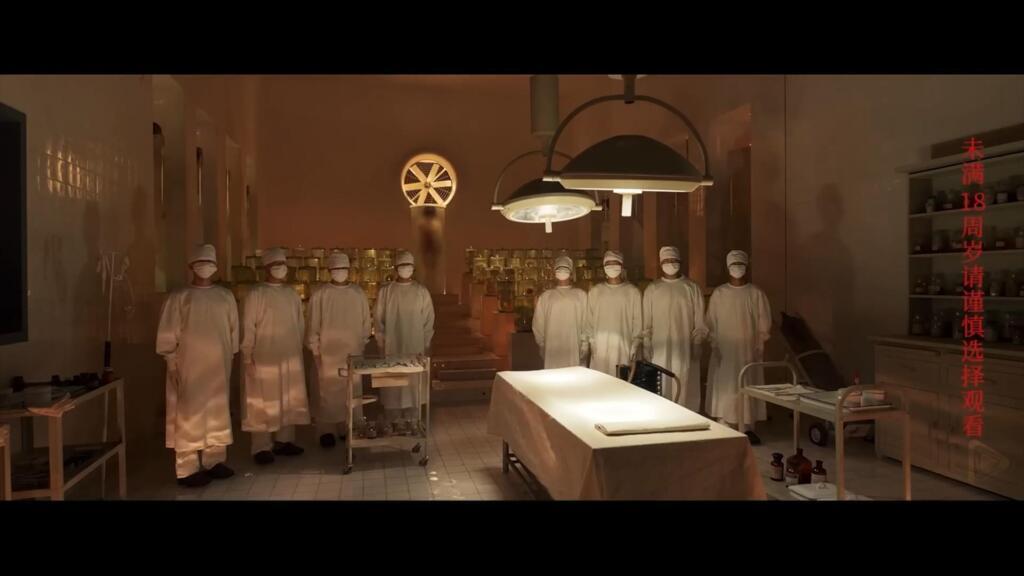
## Unmasking Unit 731: History, Horrors, and the New Film “Evil Unbound”
The recent release of ”Evil Unbound,” a cinematic portrayal of the atrocities committed by the Imperial Japanese Army‘s Unit 731, has ignited crucial conversations about one of World War II’s most harrowing and largely unknown chapters. This film, currently screening in China and internationally, arrives amidst a surge in domestically accomplished patriotic cinema, prompting a renewed examination of the unit’s horrific germ warfare program and inhumane experimentation. This article delves into the historical context surrounding Unit 731, drawing upon previously unseen testimonies and expert analysis to provide a thorough understanding of its operations and lasting impact. Understanding this dark period of history is vital, especially as recent geopolitical tensions in the Indo-Pacific region (as of September 19, 2025) underscore the importance of remembering and learning from past conflicts.
### The Shadow of Unit 731: A History of Inhumanity
Established in 1935 in Pingfang, near Harbin, Manchuria, Unit 731 wasn’t simply a research facility; it was a clandestine biological and chemical warfare research unit of the Imperial Japanese Army. Its official designation was the Epidemic Prevention Research Laboratory, a deliberately misleading title masking its true purpose. The unit, led by microbiologist Shirō Ishii, engaged in brutal experiments on prisoners of war, primarily Chinese, korean, Russian, and Allied POWs, as well as civilians.These individuals where subjected to horrific procedures, including deliberate infection with diseases like plague, cholera, anthrax, and syphilis.
| Experiment Type | Description | Victim profile |
|---|---|---|
| Vivisection | Performing surgery on living subjects without anesthesia. | Primarily Chinese, Korean, and Russian POWs. |
| Frostbite Experiments | Exposing subjects to extreme cold to study the effects of frostbite. | Diverse POW population. |
| Disease Infection | Deliberately infecting subjects with deadly pathogens. | Chinese, Korean, and Russian civilians and POWs. |
| Weapon Testing | Testing the effectiveness of biological and chemical weapons. | Primarily Chinese civilians. |
The scale of these atrocities is staggering. Estimates suggest that Unit 731 and its affiliated units were responsible for the deaths of at least 3,000 people, though many historians believe the actual number is considerably higher, possibly exceeding 10,000. These experiments weren’t merely about scientific curiosity; they were directly linked to the progress of biological weapons intended for use against both military targets and civilian populations. A chilling parallel can be drawn to the ethical breaches seen in the nazi medical experiments during the Holocaust, highlighting a disturbing pattern of scientific barbarism during wartime.
“The systematic dehumanization of the victims was central to Unit 731’s operations. They weren’t seen as human beings, but as disposable materials for experimentation.”
Did You know? despite extensive documentation, many Japanese officials involved in Unit 731 were granted immunity from prosecution by the United States in exchange for their research data at the end of WWII.
### “Evil Unbound” and the Resurgence of Historical Remembrance
The film “evil Unbound” isn’t the first attempt to address the horrors of Unit 731, but it represents a notable moment in bringing this history to a wider audience. The film reportedly features previously unseen testimonies from former Unit 731 members, offering a rare and disturbing glimpse into the mindset of those who participated in these atrocities.
As shown in this post, the film’s release coincides with a broader trend in China of patriotic filmmaking. These films frequently enough focus on themes of national resilience, historical injustice, and the sacrifices made during the war.While some critics argue that these films can be overly nationalistic, they also play a crucial role in shaping public understanding of history and fostering a sense of national identity.
Pro Tip: When researching sensitive historical topics like Unit 731, it’s crucial to consult multiple sources and critically evaluate the information presented. Look for scholarly articles, primary source documents, and perspectives from different countries and cultures.
The timing of the film’s release