
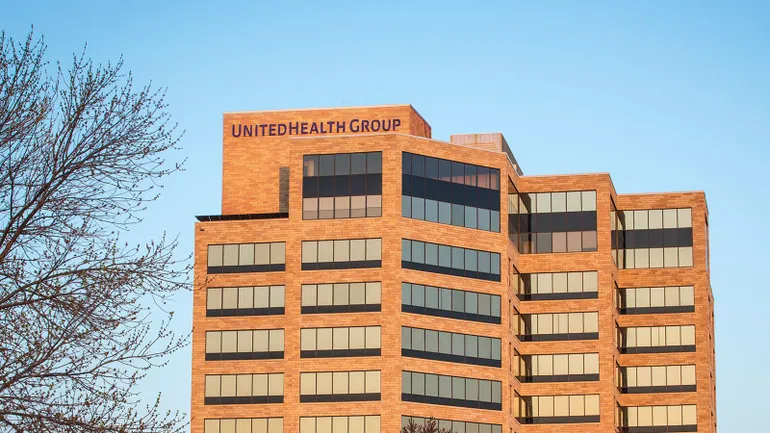
UnitedHealth‘s Amedisys Acquisition Cleared with Landmark divestiture: What You Need to Know
The long road to unitedhealth’s acquisition of Amedisys has finally reached a critical juncture. After facing staunch opposition from federal regulators concerned about reduced competition, the Department of Justice (DOJ) has approved the deal – but only with a notable condition: a massive divestiture of assets. This isn’t just a typical merger settlement; it’s a landmark agreement reshaping the landscape of home health and hospice care in the US.
Here’s a breakdown of what happened, why it matters to you, and what to expect moving forward.
The Initial Concerns: A Threat to Competition
The DOJ initially argued that allowing UnitedHealth, already a dominant player through its existing network, to acquire Amedisys would stifle competition in numerous local markets. The concern was simple: fewer choices often lead to higher costs and potentially lower quality of care.
specifically, the acquisition would have expanded UnitedHealth’s reach into five additional states and added nearly 500 locations to its existing footprint across 32 states. This consolidation raised red flags about potential monopolistic practices.
A Rocky Road to Approval: Divestiture Plans & Rejections
Both UnitedHealth and Amedisys maintained the transaction wouldn’t harm competition. However, thay repeatedly submitted divestiture plans – proposals to sell off parts of their business to address the DOJ’s concerns - which were consistently rejected. Regulators weren’t satisfied that these initial plans adequately addressed the competitive issues.
Ultimately, a much more considerable solution was needed.
The Landmark Settlement: A $528 Million Shift
The DOJ and the companies have now reached an agreement requiring UnitedHealth and Amedisys to divest 164 home health and hospice locations across 19 states. This is the largest divestiture of outpatient sites in history related to a merger challenge. These divested businesses represent approximately $528 million in annual revenue.
Here’s a quick look at the key components of the settlement:
Significant Divestiture: 164 locations across 19 states will be sold.
Financial Impact: The divested businesses generate roughly $528 million in annual revenue.
Contingency Plan: UnitedHealth must sell an additional eight locations if they fail to secure approval for the primary divestitures.
Monitoring: The DOJ will appoint a monitor to oversee the sale of the divested clinics. Joint Venture Divestiture: UnitedHealth and Amedisys will also need to divest stakes in 10 home health and hospice joint ventures.
Who’s Buying? BrightSpring & Pennant Group Step In
Two major players in the home health space have agreed to acquire the divested locations:
BrightSpring Health Services: Will acquire 115 of the divested sites. BrightSpring operates across all 50 states,offering home care and pharmacy services and recently went public.
Pennant Group: Will acquire 49 locations. Pennant focuses on home health and hospice services, operating through more than 120 affiliated agencies primarily in the Western US.
Interestingly, both BrightSpring and Pennant were previously involved in an earlier divestiture agreement that the DOJ ultimately rejected, highlighting the complexity of finding acceptable solutions.
Why So Much Home Health, Not Hospice?
The vast majority of the locations being divested provide home health services, rather than hospice. Experts suggest this is strategic. Tyler Giesting, a healthcare director at West Monroe, explained last year that unitedhealth’s existing home health division, LHC Group, already has a strong presence in home health, making divestiture in that area more impactful in reducing overlap.
This divestiture focuses on areas where UnitedHealth’s footprint would become overly dominant, ensuring continued competition in those specific markets.
What Does This Mean for You?
This settlement is designed to protect patients and ensure continued access to quality home health and hospice care. Here’s what you can expect:
More Choices: The divestiture ensures that you’ll have more options when selecting a home health or hospice provider in the affected areas.
Competitive Pricing: Increased competition typically leads to more competitive pricing for services. Continued Innovation: A healthy competitive landscape encourages providers to





