UnitedHealth Faces Renewed Governance Scrutiny: A Deep Dive into Leadership Changes and Investor Concerns
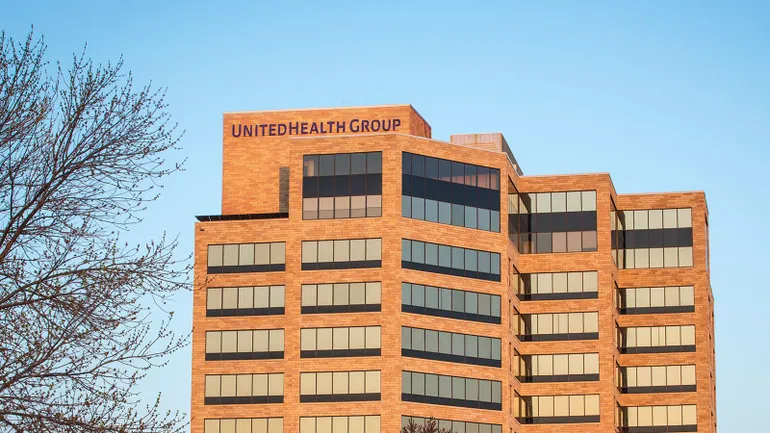
UnitedHealth Group, the nation’s largest healthcare company, is navigating a period of intense scrutiny. Recent leadership transitions, coupled with mounting investor pressure, are forcing a re-evaluation of its corporate governance structure. This article provides a comprehensive overview of the situation, exploring the key concerns and potential implications for the future of the healthcare giant.
The Leadership shift: From Witty to Hemsley
In May, andrew Witty unexpectedly stepped down as CEO, citing personal reasons. The board swiftly appointed Stephen hemsley,a familiar face - and the architect of UnitedHealth’s current diversified structure – to fill the role. Hemsley previously served as UnitedHealth’s CEO from 2006 to 2017 and held the Chairman position.
While many analysts believe Hemsley’s return will stabilize the company, not everyone shares this optimism. His appointment has ignited a debate about the concentration of power and the need for autonomous oversight.
The Core Issue: Combining CEO and Board Chair Roles
The primary source of contention is the decision to have Hemsley simultaneously serve as both CEO and Chairman of the Board.The Accountability Board, a meaningful investor group overseeing over 100 major U.S. companies, is now actively advocating for a policy separating these roles.
They argue that combining these positions compromises the board’s ability to objectively oversee management.This lack of independent oversight, they believe, erodes trust and perhaps puts shareholder interests at risk.
Why Independent Oversight Matters to You
Think of it this way: an independent board chair acts as a crucial check and balance. They are responsible for ensuring the CEO is accountable to shareholders and that the company operates ethically and responsibly. Without this separation, the potential for conflicts of interest increases.
Here’s a breakdown of the benefits of an independent chair:
* objective evaluation: An independent chair can provide unbiased assessments of the CEO’s performance and strategic decisions.
* Stronger Accountability: They hold management accountable for results and ensure adherence to ethical standards.
* Enhanced Transparency: An independent chair fosters a culture of openness and transparency within the association.
* Risk Mitigation: They can proactively identify and address potential risks, protecting shareholder value.
UnitedHealth’s Own Principles Contradicted?
Interestingly, the Accountability Board points to UnitedHealth’s own Corporate Governance Principles, published just six months before Hemsley’s appointment. These principles explicitly state that the CEO and board chair roles should be autonomous. The stated rationale? To allow the board to effectively oversee management and enable the CEO to focus on operational responsibilities.
Matt Prescott, President and COO of the Accountability Board, succinctly put it: “Independent Chairs are like seatbelts… you might not think you need one until a storm hits.” And, according to Prescott, UnitedHealth is currently navigating a storm and needs that added layer of protection.
A Pattern of Investor concerns
This push for governance reform isn’t happening in a vacuum. UnitedHealth has faced a series of investor challenges in recent months:
* Delayed Shareholder Proposal (January/April): A faith-based investor group attempted to initiate a proposal analyzing the impact of healthcare delays and denials, but faced resistance from UnitedHealth and ultimately withdrew the proposal.
* Shareholder Lawsuit (May): Investors filed a lawsuit alleging inadequate disclosure regarding the impact of the death of UnitedHealthcare CEO Brian Thompson.
* New Public Obligation Committee (August): In response to growing concerns, UnitedHealth formed a new board committee focused on public responsibility and corporate governance.
* Pledge for Increased Transparency (Recent): Hemsley has committed to greater public transparency moving forward.
What Does This Mean for the future?
UnitedHealth’s response to these challenges will be critical. While the company has taken steps to address concerns – like forming the new committee and promising greater transparency - the core issue of the combined CEO/Chair role remains.
You, as an investor or stakeholder, should be watching closely. The outcome of this debate will likely shape UnitedHealth’s trajectory for years to come. A commitment to independent board leadership could signal a renewed focus on accountability and long-term value creation. Conversely, maintaining the status