US Military strikes in Nigeria: A Deep Dive into Trump’s Intervention & Regional Implications
The recent US military strikes against Islamic State (ISIS) militants in northwestern Nigeria, authorized by President Donald Trump, mark a significant escalation in US involvement in the region’s complex security landscape. This action, confirmed by both the Nigerian foreign ministry and US Africa Command, follows weeks of increasingly vocal warnings from Trump regarding the safety of Christians in Nigeria. But what prompted this intervention, what does it signify for US-Nigeria relations, and what are the potential ramifications for regional stability? this article provides a complete analysis of the situation, exploring the context, execution, and potential consequences of these strikes.
Understanding the Context: Religious Violence & Regional Instability
Nigeria has long grappled with a multitude of security challenges, including the Boko Haram insurgency, farmer-herder conflicts, and the growing presence of ISIS-affiliated groups. While framing these conflicts solely as religious persecution is a simplification – as argued by the Nigerian government and many analysts – the escalating violence has disproportionately affected Christian communities in certain regions. Recent reports indicate a surge in attacks targeting religious sites and civilians, fueling concerns about escalating sectarian tensions.
Did You Know? According to a December 2023 report by the US Commission on International Religious Freedom, Nigeria remains a “Country of Particular Concern” due to severe religious freedom violations.
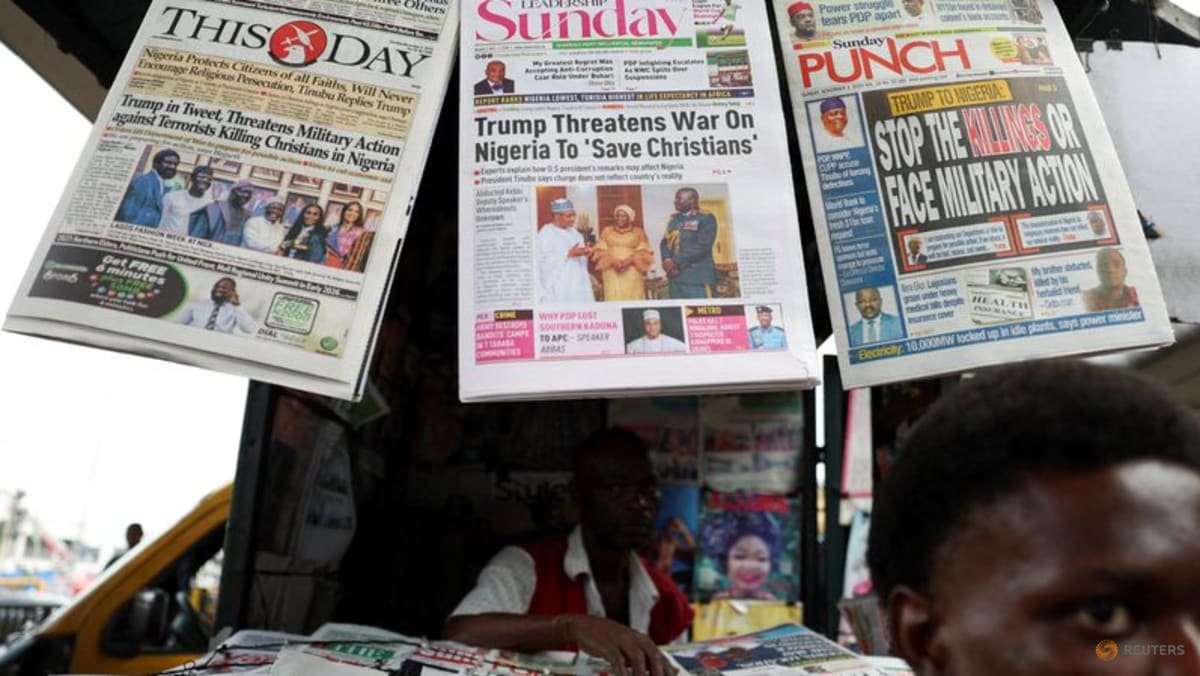
Trump’s focus on the plight of Nigerian Christians aligns with a broader emphasis on global Christian persecution during his presidency. He previously threatened repercussions for any attacks on christians in nigeria,stating there would be “hell to pay.” This intervention, therefore, can be seen as a fulfillment of that promise, though its timing and execution have drawn both support and criticism.
The Strikes: Details & Official Statements
On December 25th, US forces conducted air strikes in Sokoto state, Nigeria, targeting ISIS militants at the request of the Nigerian government. US Africa Command reported that “multiple ISIS terrorists” were killed in the operation.While specific details regarding the number of casualties and the precise nature of the targets remain limited, the Nigerian foreign ministry described the strikes as “precision hits on terrorist targets.”
Pro Tip: When analyzing international military interventions,always cross-reference data from multiple sources – official government statements,independent news organizations,and reports from international bodies – to gain a comprehensive understanding.
The Department of Defense released video footage depicting the launch of a missile from a US battleship, further confirming the operation. Trump, in a post on his Truth Social platform, celebrated the strikes, stating he had “previously warned these Terrorists” and that “tonight, there was.” His message concluded with a controversial remark, extending “MERRY CHRISTMAS to all, including the dead Terrorists.”
analyzing the Implications: US-Nigeria Relations & regional Security
This military action represents the first US intervention in Nigeria under the trump governance. It’s a departure from previous US policy, which generally favored providing training and equipment to nigerian forces rather than direct military engagement.
Here’s a swift comparison:
| Aspect | Pre-Trump Administration | Current (Trump-Authorized) |
|---|---|---|
| US Military Involvement | Primarily training & equipment provision | Direct military strikes |
| Focus of Intervention | Broad counter-terrorism efforts | Specifically targeting ISIS militants, framed as protecting Christians |
| Diplomatic Approach | Quiet diplomacy & partnership | Public warnings & direct communication with Nigerian leadership |
The intervention raises several key questions:
* Will this action escalate tensions within Nigeria? Critics argue that framing the conflict through a religious lens could exacerbate existing sectarian divisions.
* What is the long-term strategy for US involvement in Nigeria? Is this a one-off operation, or will it be followed by further military action?
* How will this intervention impact regional counter-terrorism efforts? Will it strengthen cooperation with Nigeria, or will it create new challenges?
addressing Concerns & Counterarguments
The Nigerian government and independent analysts have consistently rejected the narrative of widespread religious persecution, emphasizing the complex interplay of economic, political, and ethnic factors driving the violence. They argue that framing