The United States and Iran have reached an informal agreement to halt military strikes in the Strait of Hormuz after a weekend of escalating attacks, according to multiple diplomatic and military sources. The pause follows days of heightened tensions, including Iranian strikes on US-backed forces in Syria and Iraq and a US response targeting Iranian proxy groups in Iraq and Syria. While neither government has formally announced the ceasefire, officials from both sides have confirmed a mutual “stand down” to avoid further confrontation.
Diplomatic channels remain active, with indirect talks reportedly taking place in Qatar, where US and Iranian representatives have met in the past to manage regional tensions. The latest round of discussions, which began on Tuesday, comes after a series of strikes that raised fears of a broader conflict in the Middle East. Analysts describe the truce as “precarious,” citing deep-seated mistrust and ongoing proxy wars in the region.
The Strait of Hormuz—a critical chokepoint for global oil shipments—has been at the center of the standoff, with both sides accusing the other of violating maritime security. The US has accused Iran of supporting attacks on commercial vessels, while Tehran has blamed US sanctions and military actions for destabilizing the region. The latest ceasefire, while not officially confirmed, has been described as a “temporary de-escalation” by a senior US defense official, who spoke on condition of anonymity.
What Triggered the Escalation?
The recent spike in violence began on Saturday, when Iranian-backed militias launched rocket attacks on US forces in Iraq and Syria. The US responded with airstrikes targeting Iranian proxy groups, including Kataib Hezbollah, a militia aligned with Iran’s Islamic Revolutionary Guard Corps (IRGC). According to the Pentagon, the US strikes were “defensive” and aimed at disrupting the militias’ ability to conduct further attacks.
Iran denied direct involvement in the Saturday strikes but acknowledged that its allies had acted in response to US actions. “The Islamic Republic of Iran has not engaged in direct hostilities, but we will continue to defend our interests and those of our allies,” said a statement from the Iranian Foreign Ministry, as reported by Al Jazeera. The ministry did not confirm whether Tehran had authorized the proxy attacks.
Meanwhile, the US has accused Iran of escalating tensions by targeting commercial shipping in the Strait of Hormuz. In a statement, the US Central Command said it had “observed and intercepted multiple suspicious activities” in the waterway, including drones and fast-attack boats operating near oil tankers. The US has not attributed these incidents to Iran directly, but officials have warned that Tehran’s actions are part of a broader strategy to disrupt global energy supplies.
Why Qatar—and What Happens Next?
Qatar has long served as a neutral mediator in US-Iran tensions, hosting indirect talks between the two nations since the Trump administration. The latest round of discussions, which began on Tuesday, follows a similar format: representatives from both sides meet in Doha under the auspices of a third-party facilitator. The goal is to prevent miscalculation and avoid a direct confrontation.
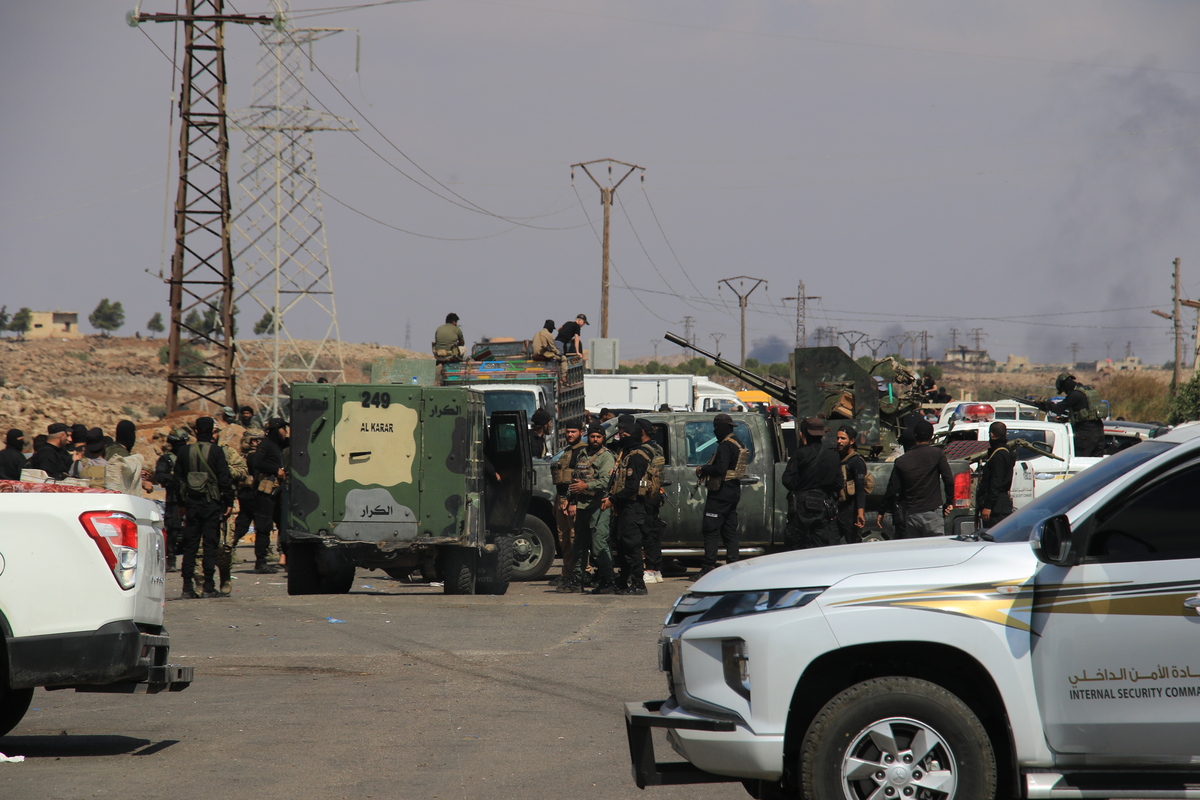
According to a senior US official, the talks are focused on “de-escalation measures,” including confidence-building steps such as reduced military exercises and clearer communication channels. However, analysts warn that progress is unlikely to be permanent without a broader diplomatic breakthrough. “This is a tactical pause, not a strategic solution,” said a BBC diplomatic source, adding that underlying grievances—including US sanctions and Iran’s nuclear program—remain unresolved.
The next critical checkpoint will be the outcome of the Qatar talks, expected to conclude by Thursday. If no agreement is reached, tensions could flare again, particularly if either side perceives the other as backing away from commitments. The US has already signaled that it will maintain a “strong deterrent posture” in the region, while Iran has warned against any “unilateral” actions that could jeopardize the fragile ceasefire.
Who Stands to Gain—or Lose—From the Truce?
The temporary halt in hostilities has been welcomed by regional allies of both the US and Iran, though skepticism remains high. Saudi Arabia, which has faced repeated drone and missile attacks from Iranian-backed groups, has expressed cautious optimism, according to Reuters. The kingdom has been caught between its alliance with the US and its own economic ties to Iran.
In contrast, Israel has been more vocal in its criticism, accusing Iran of using proxy groups to test US resolve. A statement from the Israeli Foreign Ministry said, “Iran is playing a dangerous game, and the world must not allow it to succeed.” The US has sought to reassure allies that it remains committed to deterring Iranian aggression, though some officials have privately expressed frustration over the lack of a clear Iranian strategy.
For Iran, the ceasefire offers a chance to avoid further isolation, particularly as internal economic pressures mount. However, hardliners within the IRGC have reportedly opposed any concessions, arguing that the US must first lift sanctions before negotiations can proceed. This internal divide could complicate efforts to sustain the truce.
What Comes Next? Key Uncertainties
The biggest question hanging over the ceasefire is whether it will hold—or if it is merely a temporary lull before the next escalation. Here are the critical factors to watch:

- Diplomatic momentum: Will the Qatar talks produce a formal agreement, or will they collapse due to irreconcilable differences?
- Proxy activity: Will Iranian-backed militias in Iraq and Syria observe the ceasefire, or will they resume attacks independently?
- US military posture: Will the US reduce its defensive operations in the region, or maintain a high state of alert?
- Oil market reaction: Will the pause in tensions ease concerns about disruptions to shipping in the Strait of Hormuz, or will prices remain volatile?
- Regional alliances: How will Saudi Arabia, Israel, and other Gulf states respond if the truce collapses?
The next official update is expected by Thursday, when the Qatar talks are scheduled to conclude. In the meantime, the US has advised commercial shipping to remain vigilant in the Strait of Hormuz, while Iran has called for “maximum restraint” from its allies. For now, the focus remains on avoiding a wider conflict—but the risk of miscalculation remains high.
How to Stay Updated
For real-time developments, monitor the following official sources:
- Iranian News Agency (IRNA) (for Iranian government updates)
- US Central Command (for military developments)
- Reuters Middle East (for independent reporting)
This story will continue to evolve as new details emerge. For now, the focus is on preventing further escalation—but the underlying tensions in the region remain unresolved.
What do you think about the latest developments?
Keep reading