
Diplomatic efforts to stabilize the Middle East have reached a critical juncture as Pakistan emerges as a key mediator in the ongoing conflict. In a significant development, Pakistan has announced that a recently agreed ceasefire includes Lebanon, signaling an attempt to broaden the scope of the truce and prevent further regional escalation.
This diplomatic push comes as the United States and Iran navigate a fragile provisional ceasefire. Central to the current tension is the Strait of Hormuz, one of the world’s most vital oil transit chokepoints. Iran has indicated it will allow “conditional passage” through the strait, a move that could alleviate global energy market anxieties if successfully implemented.
The geopolitical stakes remain high as the U.S. Administration weighs a request from Pakistan for a two-week extension of the current ceasefire terms for Iran. This request arrives ahead of a critical deadline set by President Trump, highlighting the delicate balance between maintaining a cessation of hostilities and enforcing strategic deadlines.
Pakistan’s Role in Regional De-escalation
Pakistan has taken a proactive stance in managing the crisis, proposing a two-week ceasefire for Iran to provide a window for further diplomatic engagement. According to reports from Axios, this proposal was designed to precede a specific deadline established by the Trump administration.
The inclusion of Lebanon in the ceasefire agreement, as stated by Pakistan, represents a strategic effort to neutralize secondary fronts of the conflict. By expanding the truce, mediators hope to reduce the risk of miscalculation and provide a more comprehensive framework for peace across the region. President Trump is currently weighing this request for a 14-day extension, as noted by Politico.
Maritime Security and the Strait of Hormuz
The potential reopening of the Strait of Hormuz remains a focal point for global markets. Iran’s agreement to allow “conditional passage” is a pivotal concession that could stabilize oil prices and secure international shipping lanes. The Strait is a critical artery for global energy supplies, and any prolonged closure or instability in the area typically triggers volatility in the crude oil markets.
This agreement is part of a broader provisional ceasefire between the U.S. And Iran. While the terms of the “conditional passage” have not been fully detailed, the move suggests a willingness by Tehran to use maritime access as a bargaining chip in ongoing negotiations. These developments are being closely monitored by global financial institutions and energy regulators who view the stability of the Hormuz corridor as essential for economic security.
Ongoing Military Tensions and Warnings
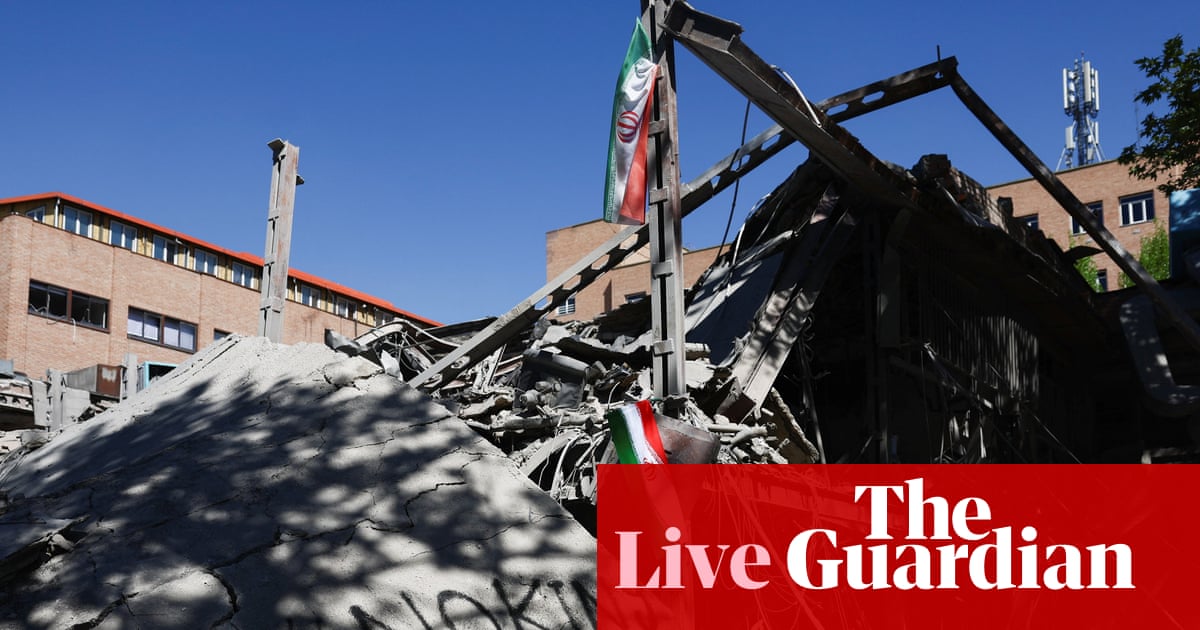
Despite the diplomatic breakthroughs, the situation on the ground remains volatile. The conflict has entered its sixth week, and military activity continues to impact civilian infrastructure. In a stark reminder of the ongoing dangers, the Israeli military has issued urgent warnings to citizens in Iran regarding the use of rail transport.

The Israeli military specifically requested that people refrain from using and traveling by train throughout Iran, stating that presence on trains or near railway lines “endangers your life.” The warning urged citizens to avoid these routes until 21:00 Iran time to ensure their security.
Key Takeaways of the Current Crisis
- Mediation: Pakistan is playing a central role, proposing a two-week ceasefire extension and confirming that Lebanon is included in the truce.
- Maritime Access: Iran has agreed to “conditional passage” through the Strait of Hormuz, a critical move for global energy stability.
- U.S. Position: The Trump administration is currently evaluating the request for a 14-day extension for Iran.
- Civilian Risk: High-level military warnings remain in effect, including Israeli advisories against using the Iranian rail network.
The next critical checkpoint in these negotiations is scheduled for Friday, when Tehran has indicated that negotiations with the United States are set to begin in Islamabad. This meeting will be pivotal in determining whether the provisional ceasefire can be transitioned into a more permanent agreement.
We invite our readers to share their perspectives on these diplomatic developments in the comments below. Please share this report to keep your network informed on the evolving situation in the Middle East.