
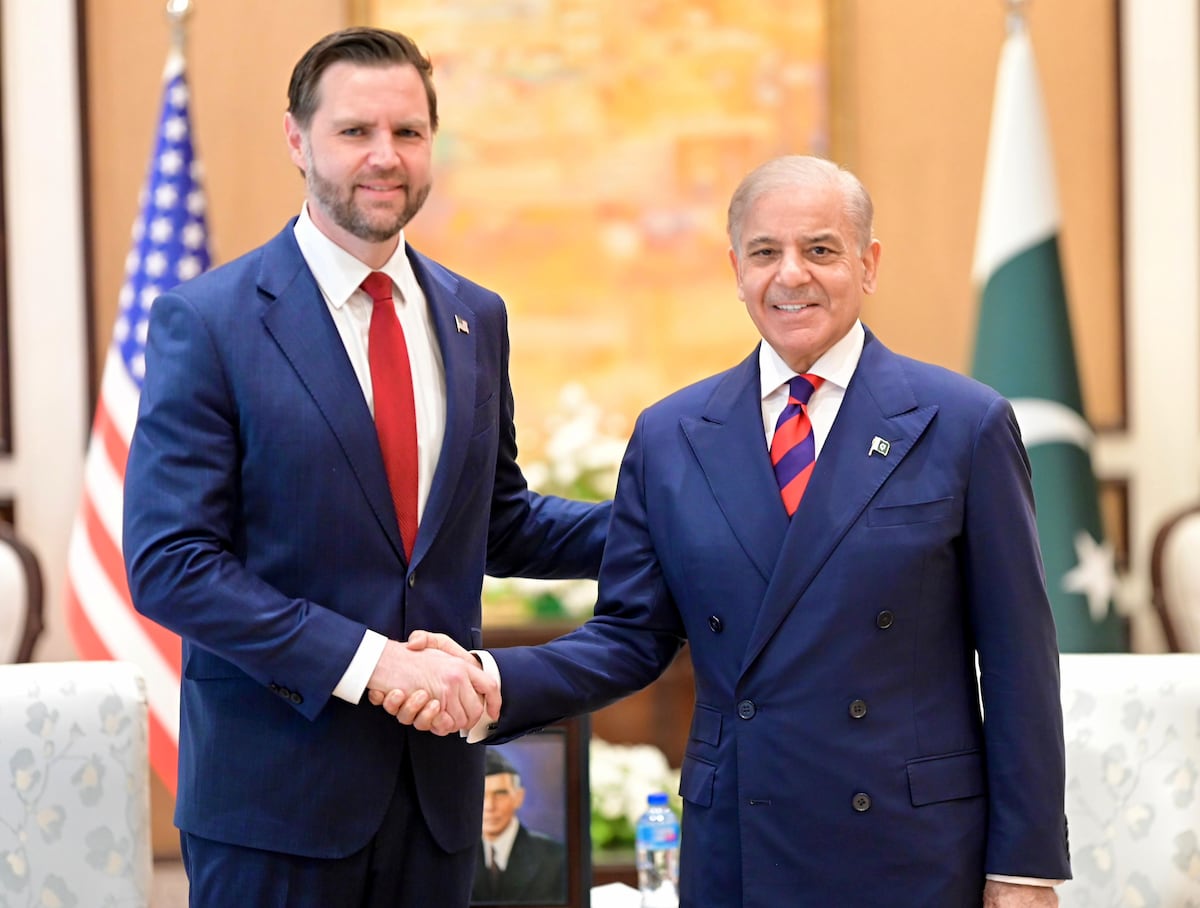
The geopolitical landscape of West Asia remains in a state of high tension as the conflict involving the United States, Israel, and Iran continues to evolve. Following a series of intense military engagements that began on February 28, 2026, the region is currently navigating a precarious period of ceasefire and diplomatic maneuvering Guerra de Estados Unidos e Israel contra Irán.
U.S. President Donald Trump has maintained a defiant stance regarding the outcome of the hostilities. Despite ongoing discussions, Trump has asserted that the United States has already achieved victory, stating that the result remains a win regardless of whether a formal agreement is reached. This perspective comes as the administration seeks to fundamentally alter Iranian behavior through a combination of military pressure and targeted diplomacy.
The human and structural cost of the conflict has been severe. Reports indicate that the military campaign resulted in the assassination of Iran’s Supreme Leader, Ali Khamenei, along with other high-ranking officials Guerra de Estados Unidos e Israel contra Irán. The violence has also claimed thousands of lives and left numerous civilians wounded, with significant damage reported in Iranian cities such as Minab, Sanandaj, and Kermanshah.
As the world watches the potential for a lasting peace, the focus shifts to the specific terms of negotiations, particularly the status of critical maritime corridors and the deployment of additional American forces in the region.
Diplomatic Efforts and the Path to a Sustainable Agreement
President Trump has delegated the primary responsibility for negotiations with Tehran to Vice President J.D. Vance and Secretary of State Marco Rubio. The administration has expressed optimism that a deal is near, whereas Iranian sources have indicated a willingness to consider “sustainable” proposals to bring a definitive end to the war CNN Español.
However, the path to a formal ceasefire is complicated by several strategic friction points. One of the primary obstacles remains the control and accessibility of the Strait of Hormuz, which Iran closed during the conflict Guerra de Estados Unidos e Israel contra Irán. Because this narrow waterway is a global chokepoint for energy supplies, its reopening is a non-negotiable priority for the international community and a key leverage point for Tehran.
The internal political dynamics within the United States are also playing a role in how the conflict is managed. Recently, Republicans in Congress rejected a resolution that would have required President Trump to seek congressional approval before initiating further military actions against Iran CNN Español. This decision grants the executive branch significant latitude in how it handles future escalations or tactical strikes.
Military Escalation and Global Economic Ripples
Despite the talk of peace, the U.S. Military continues to strengthen its presence in West Asia. Reports indicate that approximately 1,000 soldiers from the Army’s 82nd Airborne Division are expected to deploy to the region in the coming days CNN Español. This reinforcement suggests that the U.S. Is preparing for a variety of contingencies, ranging from the enforcement of a ceasefire to a potential resumption of hostilities.
The conflict’s impact has extended far beyond the immediate combatants. The Philippines, a key U.S. Ally, recently declared a national state of emergency. The Philippine leadership warned of an “imminent danger” regarding the stability and availability of the country’s energy supply, highlighting how the closure of the Strait of Hormuz and the instability in the Persian Gulf create global economic shocks CNN Español.
The military coalition supporting the U.S. And Israel has been extensive. Along with Israel, territorial defense and logistical support have been provided by several regional partners, including Saudi Arabia, Bahrain, Qatar, the United Arab Emirates, Jordan, and Kuwait Guerra de Estados Unidos e Israel contra Irán. Azerbaijan, Turkey, and NATO members—specifically the United Kingdom and France—have provided varying levels of defensive and logistical assistance.
The Human Cost and Strategic Damage
The scale of destruction within Iran reflects the intensity of the air and sea campaign. Evidence from the conflict includes the use of Tomahawk cruise missiles launched from U.S. Destroyers, such as the USS Delbert D. Black (DDG-119), and the deployment of F/A-18E Super Hornets from the USS Abraham Lincoln (CVN-72) Guerra de Estados Unidos e Israel contra Irán.
The targets have not been limited to military installations. Reports and imagery have documented structural damage to residential buildings in Sanandaj and Kermanshah, as well as a bombing of a girls’ school in Minab Guerra de Estados Unidos e Israel contra Irán. These events have contributed to a mounting humanitarian crisis, with thousands of casualties reported across the country.
Simultaneously, the conflict has fueled secondary wars in the region, most notably the ongoing war between Hezbollah and Israel, further destabilizing the Levant and complicating any efforts to reach a comprehensive regional peace agreement Guerra de Estados Unidos e Israel contra Irán.
Conflict Summary and Key Milestones
| Category | Details |
|---|---|
| Start Date | February 28, 2026 Guerra de Estados Unidos e Israel contra Irán |
| Key Casualty | Assassination of Supreme Leader Ali Khamenei Guerra de Estados Unidos e Israel contra Irán |
| Critical Infrastructure | Closure of the Strait of Hormuz by Iran Guerra de Estados Unidos e Israel contra Irán |
| U.S. Troop Movement | ~1,000 soldiers from 82nd Airborne Division deploying CNN Español |
| Current Status | High Ceasefire / Ongoing Negotiations Guerra de Estados Unidos e Israel contra Irán |
As negotiations continue, the international community remains focused on whether the “sustainable” proposals mentioned by Tehran will materialize into a signed treaty or if the region will slide back into full-scale warfare. The immediate next checkpoint will be the outcome of the discussions led by J.D. Vance and Marco Rubio, and the successful deployment of the 82nd Airborne Division to the Middle East.
We invite our readers to share their perspectives on the geopolitical implications of this conflict in the comments section below.