
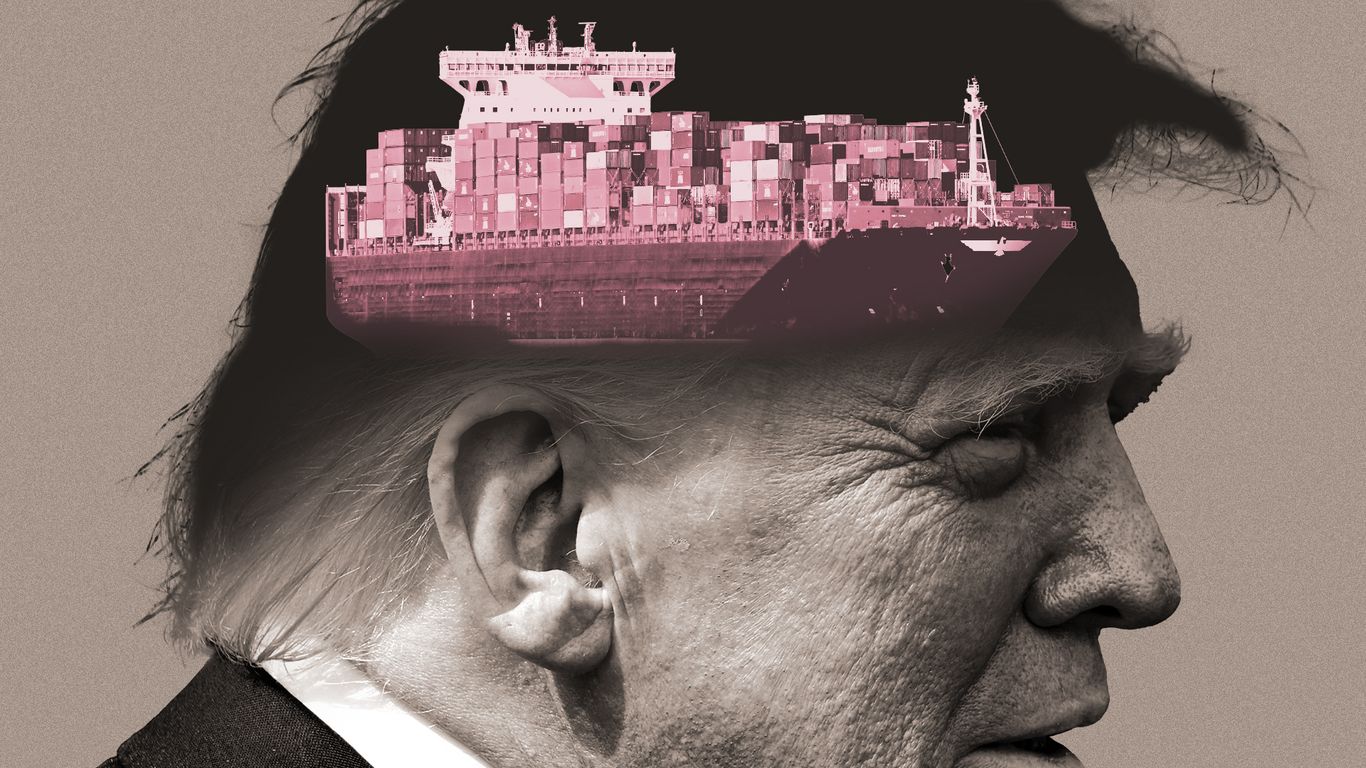
Trump’s Tariffs: A Shifting Landscape of Global Trade – What Businesses need to Know
The recent flurry of tariff announcements and renegotiations under the Trump administration is creating a complex and rapidly evolving trade environment. While initial reactions might seem chaotic,a closer look reveals emerging patterns and potential long-term implications for businesses worldwide. This analysis breaks down the key developments, assesses the current market response, and outlines what to expect in the coming weeks.A Patchwork of New Tariffs & Targeted Actions
The administration hasn’t adopted a uniform approach. Instead, we’re seeing a series of targeted tariffs, exemptions, and renegotiations, leading to inconsistencies and uncertainty. Here’s a breakdown of recent key actions:
Russia & Selective Enforcement: Tariffs were levied on purchases of Russian oil, but notably, China – another significant buyer – faced no similar action. This selective enforcement raises questions about the strategic goals driving these decisions.
Semiconductor Shock & Loopholes: A sweeping 100% tariff on semiconductors was announced before the completion of the anticipated investigation. However, immediate carve-outs were promised for companies building facilities within the U.S., effectively creating a loophole for many major chipmakers.
international Disagreements: Japan has expressed concerns that the U.S. tariff calculations differ significantly from their understanding of previous agreements, particularly compared to the deal struck with the EU.
EU & Swiss Pushback: Germany publicly criticized the EU-US trade deal, prompting a trip to Washington for renegotiations. Switzerland also sought relief from unexpectedly high tariffs, returning empty-handed. China’s Export Shift: Despite the new tariffs, Chinese exports unexpectedly increased in July. This growth wasn’t directed towards the U.S., but rather to countries used as intermediate shipping destinations to circumvent the heaviest tariffs. The administration has announced a 40% levy on these “transshipments,” but implementation details remain unclear.
Market Reaction: A Surprisingly Calm Response?
Despite the potential for disruption,the market reaction has been surprisingly muted. Several factors are at play:
CEO Confidence Rebounds: The Conference Board and Business Council’s quarterly survey shows a significant enhancement in CEO sentiment. The decline in ”tariffs and trade” as a major concern suggests a growing belief that the situation is stabilizing, or at least becoming predictable.
Stock Market Resilience: The stock market has largely shrugged off the tariff news, continuing to push towards all-time highs.This is largely attributed to the exemptions granted in the semiconductor tariffs.
Reduced Volatility: Volatility across major asset classes – stocks, bonds, and currencies – has plummeted to multi-year lows, indicating a sense of calm amidst the trade tensions.
Though, it’s crucial to remember this calm might potentially be fragile. The market is reacting to perceived outcomes,particularly the exemptions. The actual impact of these tariffs will unfold over time.
What’s on the Horizon: A Wave of Decisions Looming
The current situation is far from settled. Expect a continued stream of trade-related announcements in the coming weeks:
Upcoming Investigations: Reports are expected soon on lumber and pharmaceuticals, perhaps leading to further tariffs.
russia Sanctions: A deadline for potential sanctions on russia is approaching, which could trigger higher tariffs for multiple countries.
China Trade Truce: The current trade truce with China expires on August 12th. While China has signaled a desire for extension, Trump has yet to act.
Anti-Dumping & Countervailing Duties: A dozen decisions are anticipated in the next two months regarding targeted anti-dumping and countervailing tariffs on a wide range of products – from industrial components like fiberglass door panels and steel rebar to consumer goods like paprika and decorative plywood.
Navigating the Uncertainty: Key Considerations for Businesses
This evolving trade landscape demands a proactive and adaptable approach.Here’s what businesses should be doing:
Supply Chain Diversification: Reduce reliance on single sources, particularly those potentially impacted by tariffs. Explore option suppliers and manufacturing locations.
Cost modeling & Pricing Strategies: Accurately assess the potential impact of tariffs on your costs and develop appropriate pricing strategies.
Duty Drawback Programs: Investigate opportunities to utilize duty drawback programs to recover duties paid on imported materials used in exported products.
Stay Informed: Continuously monitor trade developments and policy changes. Reliable





