
Red Bull Facing Penalty After Grid Walk incident: A deep Dive into F1 Protocol and Safety
The Formula 1 paddock was stirred recently by an incident involving a Red Bull team member and track marshals ahead of a Grand Prix. While initially dismissed as a “misunderstanding” by red Bull Team Principal Laurent Mekies, a stewards’ examination revealed a more serious breach of protocol, resulting in a significant penalty for the team. But what exactly happened, why is it a big deal, and what does this say about the pressures and protocols within the high-stakes world of F1? Let’s break down the details.
The Incident: What Went Down on the Grid?
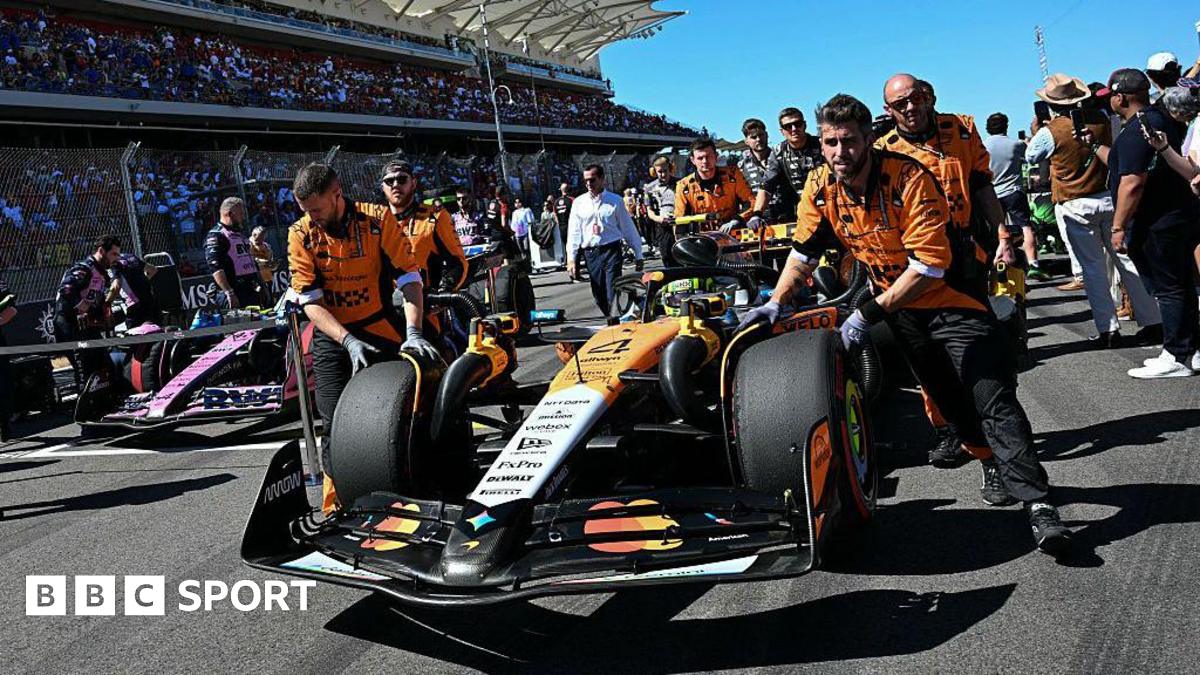
The situation unfolded as marshals were preparing to close the gates and secure the grid area following the initial car positioning. A Red Bull team member entered the track and appeared to hinder the marshals’ efforts.This prompted an immediate investigation by the FIA stewards.
The core issue wasn’t necessarily what the team member was doing – reportedly attempting to further refine grid positioning aids – but when and where they were doing it. McLaren had previously sought and received permission to use tape markings on the wall to assist drivers with grid positioning, highlighting the ongoing quest for precision in this critical area of the race.
Why is Grid Positioning So Crucial?
Accurate grid positioning is paramount in Formula 1. Drivers face penalties for failing to occupy their designated grid box correctly. Visibility from the cockpit is limited, making it difficult to precisely align the car using only the track markings. This is why teams are constantly seeking ways to improve accuracy, and why McLaren’s tape initiative was approved. However, any adjustments after the grid has been cleared for safety reasons are strictly prohibited.
The FIA’s Stance: Safety First, Always
The FIA stewards were unequivocal in their assessment. Their report emphasized that anyone affiliated with a team must be aware that entering the track or interfering with safety procedures after the grid is cleared is “absolutely prohibited.” Regardless of whether the team member was aware of the marshals’ attempts to stop them, hindering the grid closure process was deemed an “unsafe act.”
This isn’t simply about a minor infraction. It’s about upholding the highest safety standards in a sport where milliseconds and split-second decisions can have dramatic consequences. Recent advancements in motorsport safety have dramatically reduced serious injuries, but maintaining vigilance is crucial. According to the FIA’s own 2023 Safety Report, continuous improvement in track safety and procedural adherence remains a top priority. https://www.fia.com/sites/default/files/document/2023-fia-safety-report.pdf
Red Bull’s Response and the Penalty
Initially, Mekies characterized the incident as a “misunderstanding,” stating that Red Bull believed they hadn’t ignored any instructions and hadn’t received specific directives. However, the stewards’ report clearly contradicted this assessment.
The penalty levied against Red Bull underscores the severity of the breach. While the exact nature of the penalty wasn’t immediately disclosed in initial reports, it serves as a strong deterrent against similar actions in the future. Teams must prioritize adherence to safety protocols above all else,even in the heat of competition.
Understanding the Broader Context: Pressure and protocol in F1
This incident highlights the immense pressure cooker environment of Formula 1. Teams are constantly striving for marginal gains,and the pursuit of perfection can sometimes lead to questionable decisions. the drive to optimize every aspect of performance, from aerodynamics to pit stops to grid positioning, is relentless.
However, this pursuit must never compromise safety. The FIA’s strict regulations and the unwavering commitment of track marshals are essential safeguards. The incident serves as a reminder that even seemingly minor infractions can have serious consequences.
Evergreen Insights: The Evolution of F1 safety
Formula 1 has undergone a dramatic conversion in terms of safety over the decades. From the tragically risky conditions of the 1960s and 70s to the sophisticated safety standards of today, the sport has learned from its mistakes.
Key milestones include:
* The introduction of the HANS device: Considerably reducing head and neck injuries.
* The Halo: A controversial but ultimately life-saving cockpit protection system.
* Improved track design: Incorporating larger run-
![Messaging for Small Business: Boost Customer Engagement | [Year]](https://i0.wp.com/betanews.com/wp-content/uploads/2025/10/Messaging-apps-50x50.jpg?resize=150%2C150&ssl=1 "Messaging for Small Business: Boost Customer Engagement | [Year]")



