
U.S. military Strikes on Suspected Narco-Trafficking Vessels Result in Fatalities
Recent actions by the U.S. military in the eastern Pacific Ocean and Caribbean Sea have resulted in the deaths of eight individuals aboard vessels suspected of involvement in drug trafficking. These strikes are part of an ongoing operation that has,to date,led to over 90 fatalities. Understanding the context, details, and controversies surrounding these events is crucial.
the Recent Strikes: What You Need to Know
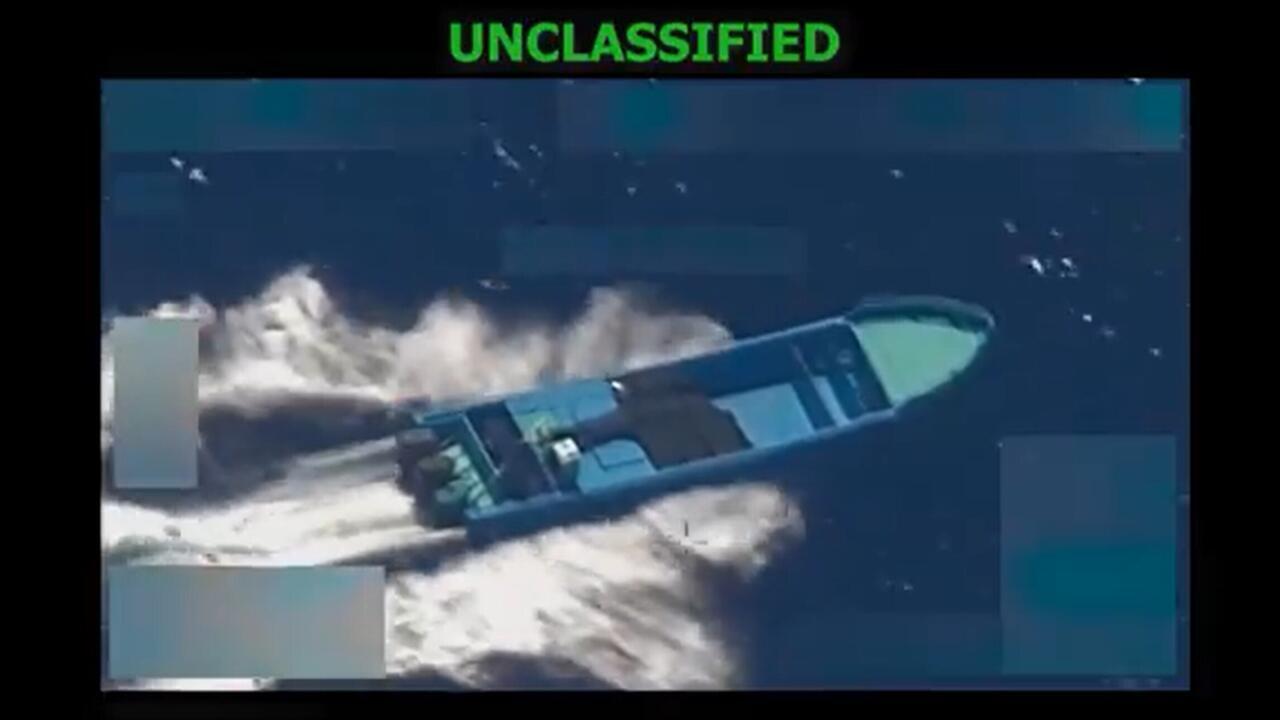
On Monday, the U.S. military reported targeting three vessels along established narco-trafficking routes. Intelligence confirmed these vessels were engaged in illegal drug activity. A total of eight individuals identified as “narco-terrorists” were killed: three on the first vessel, two on the second, and three on the third.
Video footage released by U.S.Southern command depicts the vessels before they were struck. These incidents underscore the escalating efforts to disrupt drug trafficking operations in the region.
A Broader Campaign: Escalation since September
Since early september, the U.S. military has been actively targeting alleged drug-smuggling boats. To date, at least 26 vessels have been destroyed, and at least 95 people have been killed. This represents a significant escalation in the approach to combating drug trafficking.
This military buildup includes the deployment of a significant naval force, including the world’s largest aircraft carrier. The stated goal is to combat narco-trafficking, but the actions have sparked international debate.
Rising Tensions and Accusations of Political Motives
The U.S. actions are occurring against a backdrop of heightened tensions with Venezuela. Venezuelan President Nicolás Maduro has expressed concerns that the military buildup is a pretext for regime change in Caracas. He believes the anti-drug operation is a cover for broader political objectives.
Furthermore, trinidad and Tobago recently agreed to open its airports to the U.S. military,further signaling the growing U.S. presence in the region. This move has raised questions about sovereignty and regional stability.
Controversy Surrounding a Follow-Up Strike
One particular incident has drawn significant criticism.Survivors of an initial strike on a boat were reportedly killed in a subsequent strike launched by the U.S. military.This has led to accusations of a potential war crime.
Defence officials maintain that a second strike was not ordered. U.S. Admiral Frank Bradley has been identified as responsible for authorizing the follow-up strike,according to statements from Pentagon officials.
Key Concerns and Ongoing Debate
Several critical questions remain at the forefront of this situation:
* Legality: Are the strikes consistent with international law and the rules of engagement?
* Proportionality: Was the use of force proportionate to the perceived threat?
* Clarity: Is the U.S. military providing sufficient transparency regarding its actions and investigations?
* Risk of Escalation: Could these actions escalate tensions in the region and perhaps lead to broader conflict?
These events highlight the complex challenges of combating drug trafficking and the potential for unintended consequences. As the situation evolves, continued scrutiny and a commitment to international law are essential.





