
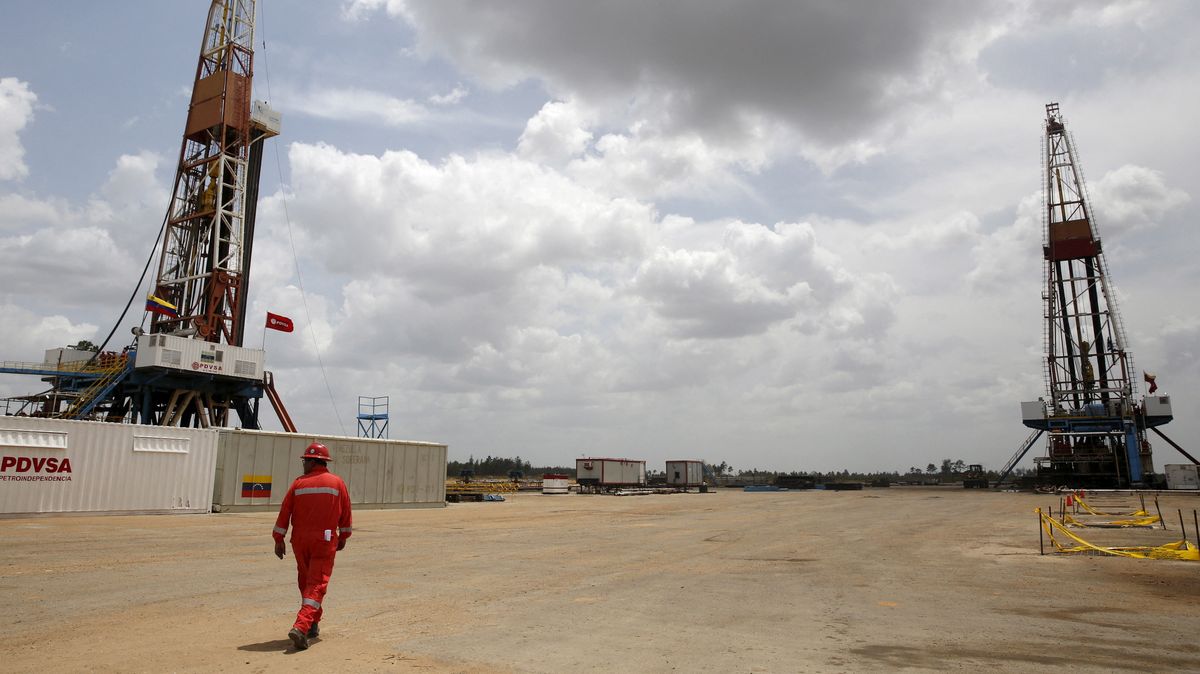
The escalating tensions surrounding Venezuela’s oil industry have taken a new turn, with the United States intensifying its efforts to enforce sanctions and challenge the authority of President Nicolás Maduro. This assertive stance, initiated under the Trump administration, continues to reshape the geopolitical landscape of the region and impact global energy markets.
Recent actions include the seizure of multiple tankers suspected of carrying Venezuelan oil, a move that has drawn sharp criticism from China, which views the U.S. approach as a form of bullying. The U.S. is actively working to disrupt Venezuela’s ability to generate revenue through oil exports, aiming to pressure Maduro’s government into relinquishing power.
U.S. Intensifies Pressure on Venezuela’s Oil Sector
The core of the issue revolves around the U.S. recognition of Juan Guaidó as the legitimate interim president of venezuela, despite Maduro remaining in power with the support of the Venezuelan military and international allies like Russia and China. This recognition has fueled a campaign to isolate Maduro’s regime economically, especially through sanctions targeting the country’s vital oil industry.
on January 3rd,U.S. forces conducted operations within Venezuela, reportedly detaining Maduro and his wife, who are now facing drug trafficking charges in the United States. This unprecedented move has led to the appointment of Rodríguez as the interim president, with the U.S. threatening further action if she fails to comply with Washington’s demands.
The recent interception of the tanker Marinera, previously known as Bella 1 and re-flagged under the russian flag, highlights the lengths to which the U.S. is going to enforce these sanctions. The vessel was apprehended in the North Atlantic, between Britain and Iceland, after successfully evading initial U.S. blockades off the Venezuelan coast. To date, the U.S. has seized at least four tankers linked to Venezuela.
According to a report by Argus Media in December 2023, Venezuela’s oil production has shown signs of stabilization, albeit at significantly lower levels than before the imposition of sanctions. However, the continued disruption of oil exports poses a severe threat to Venezuela’s already fragile economy.
“The tankers are essentially full,demonstrating the continued attempts to circumvent sanctions and generate revenue for the Maduro regime,” a U.S. official stated. This underscores the ongoing challenge of enforcing sanctions in a complex geopolitical habitat.
China’s Response and International Implications
China has vehemently condemned the U.S. actions, labeling them as an act of “bullying” towards Venezuela. This stance reflects China’s broader policy of non-interference in the internal affairs of other countries and its growing economic ties with Venezuela, particularly in the energy sector.
The situation also raises concerns about the potential for further escalation and the impact on regional stability. The involvement of Russia, through the re-flagging of the Marinera tanker, adds another layer of complexity to the conflict. I’ve found that these types of interventions often have unintended consequences, potentially destabilizing the entire region

Freezing Temperatures Halt Home Care Services – Swedish Workers’ Intervention
Nickel Stocks Fall After Rally: 4 Companies to Watch


Related Posts

Son Heung-min Named ‘GOAT’: Ranking Asia’s All-Time Best Football ...
January 9, 2026
Iran Protests: Escalating Violence & Crackdown by Authorities
January 9, 2026


