
Navigating Geopolitical Currents: The US,china,and South Korea’s Submarine Deal
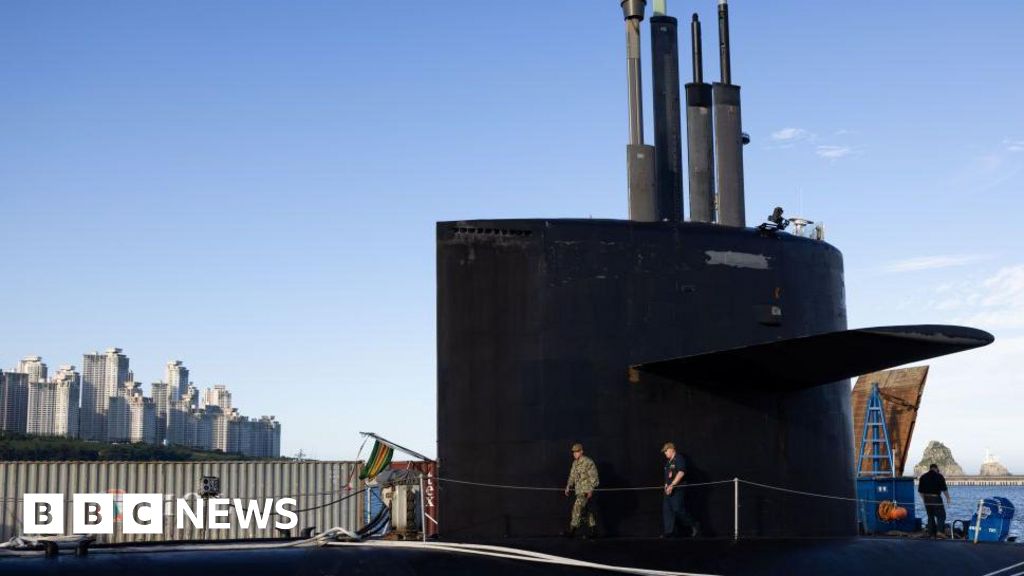
The Korean Peninsula is increasingly becoming a focal point in the strategic competition between the United States and China. Recent developments, particularly the agreement for the United States to supply South Korea with nuclear-powered submarines, highlight this intensifying dynamic. You might be wondering what this means for regional stability and the delicate balance of power. Let’s break down the situation.
A Tightrope Walk for Seoul
For decades, South Korea has skillfully navigated the complex relationship between its two major allies - the US and China. This has required a delicate balancing act, as both nations vie for influence in the region. However, China’s growing assertiveness is now challenging that equilibrium.
Increasingly, Beijing is demonstrating a more robust naval presence near South korea’s maritime borders. This mirrors patterns observed in the south China Sea, raising concerns in Seoul and Washington.
china’s Reaction to the Submarine Deal
The recent agreement between the US and south Korea for nuclear-powered submarines has undoubtedly ruffled feathers in Beijing. Experts believe China is likely ”furious” about the deal, viewing it as a direct challenge to its regional influence.
China’s Ambassador to South Korea, Dai Bing, publicly urged Seoul to consider the concerns of all parties involved. He also emphasized the need for prudence, given the already complex and sensitive security landscape on the Korean Peninsula. Furthermore,he confirmed ongoing diplomatic engagement with South Korea regarding the matter.
The Submarine Construction Debate: A Key Hurdle
While former President Trump touted the submarines being built in Philadelphia, creating American jobs, South Korean officials have a diffrent vision. They insist the vessels must be constructed locally, leveraging existing infrastructure for a faster delivery timeline.
Reports indicate that South Korea’s Prime Minister Kim Min-seok questioned the capacity of the philadelphia shipyard to handle such a complex project. The shipyard, owned by Hanwha, has yet to issue a public statement on the matter.
However, with an agreement now in place, the immediate next step involves revising the existing nuclear cooperation agreement between the US and South Korea.This will allow for the provision of nuclear fuel and establish safeguards for its military request.
What does This Mean for you?
This situation isn’t just about military hardware and geopolitical strategy. it impacts regional stability, economic partnerships, and the overall security surroundings in Northeast Asia. Here’s a quick look at the key takeaways:
* Increased Competition: Expect continued competition between the US and China for influence in South Korea.
* Regional Security: The submarine deal is a meaningful step in bolstering South Korea’s defense capabilities.
* Diplomatic Tensions: China’s reaction underscores the potential for increased diplomatic friction.
* Economic Implications: The debate over where the submarines are built has economic ramifications for both the US and South Korea.
Ultimately, the situation requires careful diplomacy and a commitment to maintaining peace and stability in the region. It’s a complex landscape, but understanding the key players and their motivations is crucial for navigating the challenges ahead.


