
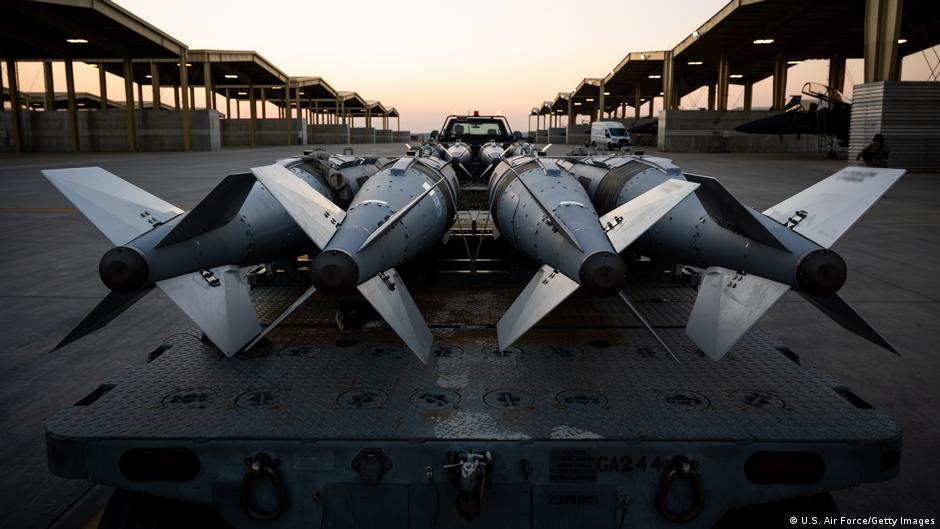
The United States military conducted a second series of airstrikes in Syria on Saturday, January 10, 2026, targeting facilities linked to islamic State (ISIS) militants.These actions were taken in response to the deaths of three U.S. service members in December, marking a significant escalation in the ongoing conflict.
According to a statement released by U.S. Central Command (Centcom), the “large-scale” attacks, carried out with the support of allied forces, struck “multiple targets” associated with the militant group. Specific details regarding casualties or the precise locations targeted were not promptly disclosed.
Centcom emphasized that these strikes represent a continued commitment to dismantling Islamic extremism, preventing future attacks, and safeguarding both American forces and their partners in the region. It’s a message intended to demonstrate resolve in a volatile geopolitical landscape.
These recent operations fall under ‘Operation hawkeye Strike,’ authorized by President Donald Trump on December 19th. This initial wave of strikes targeted dozens of ISIS infrastructure and weapons storage sites throughout Syria. Our message remains strong: if you harm our people, we will find you and kill you anywhere in the world, no matter how hard you try to evade justice.
Centcom declared.
The initial operation was a direct response to a December 13th jihadist attack in Palmyra that resulted in the deaths of two U.S. soldiers and an interpreter. this event triggered the swift and decisive response from the U.S. military.
Furthermore, Centcom affirmed the unwavering dedication of the United States and its coalition partners to pursuing terrorists who pose a threat to American interests. while the specific nations contributing to the coalition were not named,the implication is a broad international effort.
Did you know? Recent data from the Council on Foreign Relations indicates that U.S. military involvement in Syria,while focused on counterterrorism,has complex regional implications and requires careful consideration of long-term stability.
Understanding the Escalation in Syria
The recent U.S.military actions in Syria are not isolated events. Thay represent a continuation of a long-standing effort to combat terrorism and maintain regional stability. However, the timing and intensity of these strikes suggest a heightened level of concern regarding the resurgence of ISIS. I’ve found that understanding the historical context is crucial when analyzing these situations.
The initial attacks in December were a direct response to a specific incident, but the subsequent strikes indicate a broader strategy to degrade ISIS capabilities across Syria. This approach aims to disrupt the group’s operations, limit its ability to recruit and train fighters, and ultimately prevent future attacks.
Pro Tip: Staying informed about geopolitical events requires consulting multiple sources and critically evaluating the details presented. Look for reporting from reputable news organizations and think tanks.
The Role of Allied Forces
While Centcom has acknowledged the support of allied forces in these operations, the specific contributions of these partners remain undisclosed. This is not uncommon in military operations,as it protects the security of participating nations and avoids possibly escalating tensions. However, it’s reasonable to assume that these allies provide intelligence, logistical support, or even direct military assistance.
The involvement of allied forces underscores the international nature of the fight against terrorism. It demonstrates a shared commitment to addressing the threat posed by ISIS and other extremist groups. Here’s what works best: fostering strong international cooperation is essential for achieving lasting success in counterterrorism efforts.
| Event | Date | Details |
|---|---|---|
| Initial U.S. Strikes (Operation Hawkeye
Previous Article  Senegalese Teacher Recruitment in Guinea: SAES Position & UpdatesWill the Stock Market Rally Continue? The World’s Richest People in Early 2026  Related Posts
PM Modi at Somnath: Warning Against Divisive Forces & Appeasement ...January 11, 2026
I Know What You Bought Last SummerJanuary 11, 2026
Police Brutality: Is ICE a Tool of White Nationalist Extremism?January 11, 20261  2  3  4  5  |