
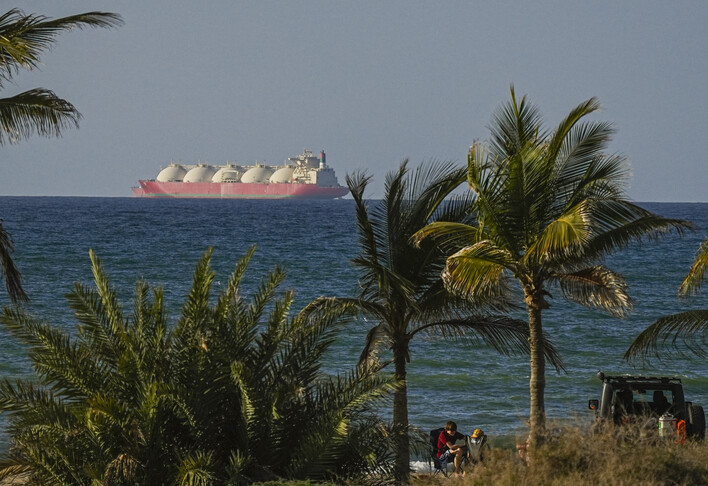
Tensions in the Persian Gulf have escalated following contradictory reports regarding the movement of United States military assets through one of the world’s most critical maritime chokepoints. Iran has officially denied that American warships passed through the Strait of Hormuz, contradicting claims made by the United States government.
The dispute centers on a direct conflict of narratives: U.S. Officials assert that two of their vessels successfully traversed the strait, while Tehran maintains that no such transit occurred. This disagreement comes amid a broader climate of volatility in the region, where the Strait of Hormuz serves as a vital artery for global energy supplies.
The situation is further complicated by warnings from Iran’s Revolutionary Guard, who have stated that any attempt by military ships to cross the strait would be met with a severe reaction. The strategic importance of this waterway means that even minor diplomatic or military frictions can have immediate implications for international shipping and global oil markets.
Conflicting Claims Over Naval Transit
The core of the current diplomatic friction lies in the opposing accounts of naval activity. According to reports from Le Monde, the United States claims that two of its ships have crossed the Strait of Hormuz. However, Iranian authorities have issued a formal denial of these claims, insisting that no American warships passed through the waterway.

This pattern of “information warfare” is not new to the relationship between Washington, and Tehran. In recent interactions, Donald Trump has reportedly engaged in discussions with Iran, though Iranian officials have countered that these accounts are not truthful, according to reports from RFI.
The disparity in reporting highlights the deep lack of trust between the two nations. While the U.S. Maintains a policy of ensuring freedom of navigation in international waters, Iran views the presence of U.S. Warships in its immediate vicinity as a provocative act and a violation of its security interests.
Strategic Risks and the ‘Severe Reaction’ Warning
The Revolutionary Guard of Iran has adopted a hardline stance regarding the transit of foreign military vessels. The group has warned that any attempt by military ships to cross the Strait of Hormuz will be met with a severe reaction. This threat underscores the high stakes of the current standoff, as the strait is the only sea passage from the Persian Gulf to the open ocean.
Adding to the volatility are reports concerning the physical state of the waterway. Washington has alleged that the reopening of the Strait of Hormuz has been hindered by the presence of Iranian mines, which Tehran has reportedly struggled to locate. This claim suggests that the maritime environment remains hazardous, further complicating the transit of both commercial and military vessels.
The geopolitical weight of these developments is amplified by the strengthening ties between the United States and Israel. As the alliance between Washington and Tel Aviv grows, Iran has increased its readiness and military posturing. Reports indicate that Iran has been conducting preparations for potential conflict, with specific mentions of activities occurring around the 13th of the month.
Why the Strait of Hormuz Matters Globally
To understand why a dispute over two ships can trigger global concern, one must look at the geography of the Strait of Hormuz. It is a narrow corridor that connects the Persian Gulf with the Gulf of Oman and the Arabian Sea. As a significant portion of the world’s petroleum passes through this strait, any disruption—whether through military conflict, mining, or blockade—could lead to a spike in global energy prices.
The “severe reaction” threatened by the Revolutionary Guard is not merely a local security concern but a global economic risk. If the strait were to be closed or restricted, the impact on the global supply chain would be immediate, affecting everything from fuel costs to the price of consumer goods worldwide.
the presence of naval mines, as alleged by U.S. Officials, transforms the strait into a high-risk zone. The inability or unwillingness of Iran to clear these mines, according to Washington, creates a persistent threat to maritime safety, making the transit of any vessel a calculated risk.
Key Takeaways of the Current Standoff
- Narrative Conflict: The U.S. Claims two ships crossed the Strait of Hormuz; Iran denies this happened.
- Military Threats: Iran’s Revolutionary Guard has promised a “severe reaction” to any military transit attempts.
- Maritime Hazards: The U.S. Alleges that Iranian mines are delaying the full reopening of the strait.
- Geopolitical Context: Tensions are rising as the U.S.-Israel partnership strengthens and Iran increases military preparations.
As the situation remains fluid, the international community continues to monitor the region for any signs of escalation. The next critical checkpoint will be the official response from the U.S. Department of Defense or the Iranian Foreign Ministry regarding the verification of vessel movements and the status of mine clearance in the strait.
We invite our readers to share their perspectives on these escalating tensions in the comments below. Please share this report to maintain others informed on the latest geopolitical developments in the Persian Gulf.