

The internet, often a space for connection and shared enthusiasm, can also reveal a darker side of fandom. Recent online discourse surrounding Czech singer Václav Neckář, particularly following reports of health concerns and a shift in his performance style, has exposed a disturbing level of vitriol and, in some cases, outright hostility towards the veteran artist. The comments, appearing beneath news articles detailing his new acoustic tour, demonstrate a troubling detachment from the human being behind the music, with some individuals suggesting he should simply stop performing, or worse.
Neckář, now 82, has navigated a lifetime of challenges, both personal and professional. Music has consistently served as a vital lifeline throughout these struggles. A particularly poignant example came nearly a quarter-century ago, when, following a severe stroke, he painstakingly relearned to speak and perform, with singing playing an undeniable role in his recovery. According to a report from Seznam Zprávy, his brother Jan Neckář confirmed that these types of health setbacks are not new, and that Václav has overcome similar difficulties in the past.
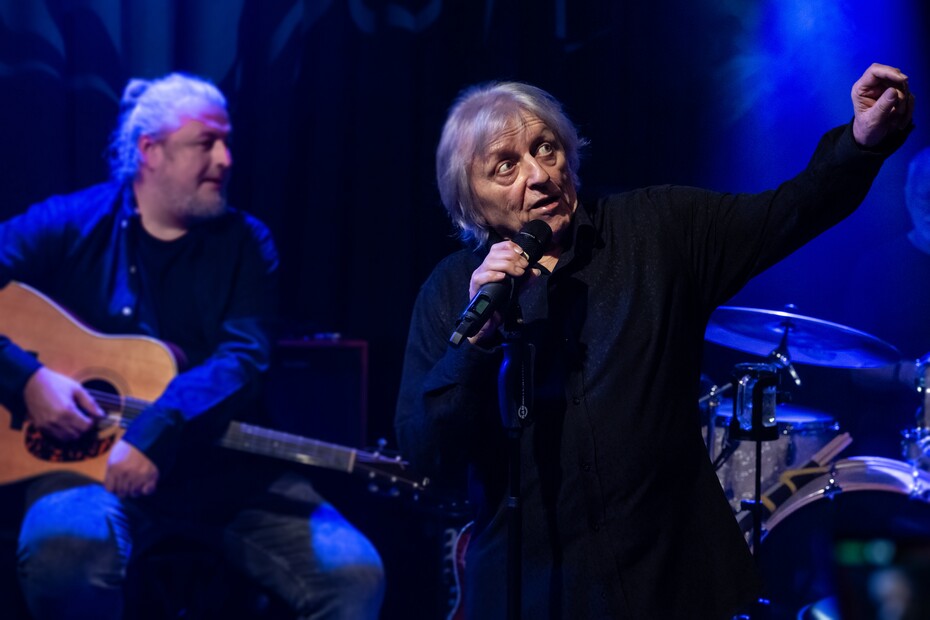
Despite these obstacles, Neckář continued to release successful singles and albums, with “Půlnoční” (“Midnight”) becoming a signature hit. His dedication to live performance has kept him relevant across generations, as evidenced by his enthusiastically received appearance at the Rock for People festival in 2023, where audiences reportedly engaged in both mosh pits and emotional displays of appreciation. Now, Neckář is transitioning away from his band Bacily and embracing a more intimate, acoustic approach to his concerts, a decision seemingly influenced by his health. He has stated, “Bez zpěvu umřu” (“Without singing, I will die”), a sentiment that resonated with fans but also, shockingly, triggered a wave of negative reactions online.
The online comments, as reported by Headliner.cz, are deeply unsettling. Examples include: “He’s a mummy, he should just sing in the bathtub,” “End this torment on stage. Get some rest,” “He’s an old man, he should be at home,” and “Everyone should leave at the height of their fame.” One commenter even drew a comparison to Hana Horka, a Czech singer who died in 2022 after intentionally contracting COVID-19 to prove a point about vaccine skepticism, stating, “They lack judgment and self-respect, just like Vondráčková.” Another wrote, “Maybe he doesn’t even realize the applause is out of pity, not as people like it.” And a final example: “You should stop singing, it’s embarrassing. I used to like you, but everything ends.” These harsh criticisms, leveled against an artist who continues to find joy and purpose in his craft, highlight a disturbing trend of online disinhibition and parasocial relationships gone awry.
The Disconnect Between Idol and Audience
The anonymity afforded by the internet, coupled with the physical distance between commenter and artist, appears to embolden individuals to express opinions they would likely never voice in person. This phenomenon, often referred to as the “online disinhibition effect,” allows for a level of cruelty and detachment that is rarely seen in face-to-face interactions. The parasocial relationships that fans develop with celebrities – the illusion of intimacy and connection – can contribute to a sense of entitlement and judgment. When an artist deviates from a fan’s expectations, the admiration can quickly turn to anger and projection, with individuals projecting their own insecurities and disappointments onto the performer.
Václav Neckář’s decision to pursue a more acoustic and intimate style of performance, described as “more Cohenovsky” by one observer, seems to have been a particular trigger for some fans. However, as he himself stated at a preview of his new program at Klub Doupě, singing is not merely a profession for him; it is essential to his very existence. This simple, direct statement, which became the headline of the article sparking the online debate, seems to have been lost on some of those who responded with negativity.
A History of Resilience and Continued Performance
Václav Neckář’s career has been marked by resilience. Born in Prague on January 25, 1944, he began performing at a young age and quickly rose to prominence in the Czech music scene. His repertoire includes beloved ballads such as “Suzanne,” “Kdo vchází do tvých snů, má lásko” (“Who Enters Your Dreams, My Love”), “Odejdu” (“I Will Leave”), and “Stále šťastné údolí” (“Still Happy Valley”). His official website details upcoming performances with “Václav Neckář a přátelé” (“Václav Neckář and Friends”), showcasing his continued commitment to live music. The website also emphasizes his deep connection to the stage, stating, “Being on stage is as natural to me as breathing.”
The stroke he suffered in the late 1990s presented a significant challenge, but Neckář, with unwavering determination, relearned to speak and perform, demonstrating an extraordinary spirit. His brother, Jan Neckář, has publicly stated that these health issues are recurring, but that Václav has consistently recovered with rest and careful management. This recent period of reduced public appearances, as reported by Seznam Zprávy, is not necessarily indicative of a dramatic decline in health, but rather a necessary period of recovery and adjustment.
Despite concerns, Neckář recently made a surprise appearance at a birthday celebration for businesswoman Ludmila Hnátová in Milíkov, near Mariánské Lázně, where he even performed, reportedly delivering a strong and confident vocal performance. This unexpected return to the stage served as a reassuring sign for his fans and a testament to his enduring passion for music. He also accepted the role of patron for a new St. Wenceslas chapel, stating, “It is a strong place, it has a soul. And that is not often seen today.”
The Importance of Respect and Empathy
The online backlash against Václav Neckář serves as a stark reminder of the importance of empathy and respect, even – and perhaps especially – in the digital realm. While fans are entitled to their opinions, expressing those opinions through personal attacks and wishes for an artist’s demise is unacceptable. Neckář’s decision to continue performing, even in a modified format, is a personal one, driven by his love of music and his belief in its power to sustain him. As he himself has stated, “Bez zpěvu umřu.” Whether or not individuals choose to attend his concerts is a matter of personal preference, but to deny him the right to pursue his passion, and to subject him to such vitriol, is a disservice to a lifetime of artistic contribution.
The case of Václav Neckář also highlights the complex dynamic between artists and their audiences. While parasocial relationships can foster a sense of connection, they must be tempered with respect for the artist’s autonomy and individuality. It is crucial to remember that performers are not simply characters in a fan’s personal narrative; they are human beings with their own lives, struggles, and aspirations.
Key Takeaways
- Václav Neckář, a celebrated Czech singer, has faced recent criticism online following announcements about a shift in his concert format.
- The negative comments, ranging from dismissive to outright hostile, highlight a troubling trend of online disinhibition and a lack of empathy.
- Neckář’s career has been marked by resilience, including overcoming a stroke and continuing to perform for decades.
- His brother, Jan Neckář, has indicated that the artist’s recent health concerns are recurring but manageable.
- The incident underscores the importance of respecting artists’ personal choices and recognizing the human being behind the music.
As of March 12, 2026, Václav Neckář is scheduled to continue his series of acoustic performances with “Václav Neckář a přátelé,” offering fans a more intimate and reflective experience. Further details about upcoming concerts can be found on his official website. We encourage readers to share their thoughts on this story and the broader issue of online fandom in the comments below.