
Valve’s recent efforts to expand the reach of SteamOS and promote specialized hardware have reignited global discussions surrounding the value proposition of dedicated gaming systems. With current hardware configurations and software updates, consumers are weighing the cost of pre-built “Steam Machines” against the flexibility of custom-built PCs, particularly as the market price for these units hovers around the 36,888 TWD mark. This assessment requires a closer look at the hardware components, the evolving SteamOS ecosystem, and the strategic shift toward broader hardware compatibility.
The core of the debate rests on whether an integrated, console-like experience justifies the premium often associated with branded hardware. While some analysts point to the convenience of a plug-and-play system, others note that the same financial investment can often yield higher performance specifications when components are purchased and assembled independently. This tension is not unique to Valve; it reflects a broader industry trend where hardware manufacturers must balance proprietary software advantages with the open-architecture expectations of the PC gaming community.
SteamOS Updates and Hardware Compatibility
Valve continues to iterate on its proprietary operating system, with the release of SteamOS 3.8.10 marking a significant milestone in its commitment to hardware support. This update focuses on enhancing stability and expanding compatibility, particularly through improved drivers and integration efforts. A critical development in this cycle is the collaboration with industry partners to ensure that SteamOS can effectively interface with a wider range of graphical hardware, including recent advancements in GPU architecture.
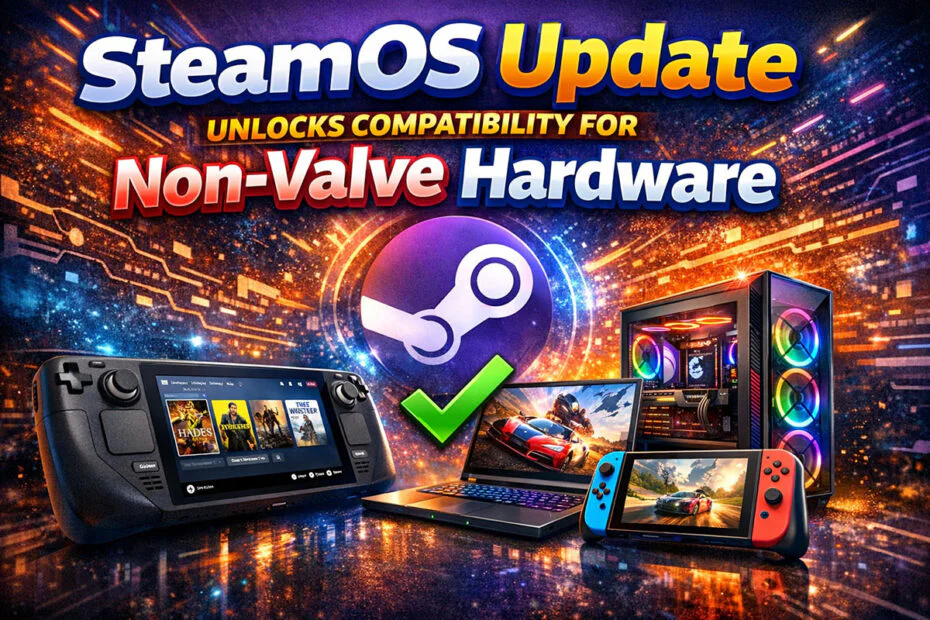
According to official release notes, the update prioritizes the user experience by streamlining the installation process for third-party hardware. This move is widely interpreted as a strategic effort by Valve to lower the barrier for entry for users who wish to run SteamOS on non-proprietary machines. By decoupling the OS from specific hardware limitations, Valve is effectively testing a model where the software environment becomes the primary product, rather than the physical console itself.
The Economics of Pre-built vs. Custom Systems
For many gamers, the decision to purchase a pre-built system versus building a custom rig comes down to a direct comparison of internal specifications. At a price point of approximately 36,888 TWD, consumers are often looking for a balance between CPU power, GPU throughput, and thermal management. Market data suggests that while pre-built units provide a guaranteed “out-of-the-box” experience, they often carry a markup to cover assembly, testing, and brand licensing.
When comparing these units to a custom build, the primary trade-off is often in the quality of the motherboard or the cooling solution. Custom builders often prioritize high-tier components that allow for future upgrades, whereas pre-built systems may utilize proprietary form factors that limit physical expansion. According to reports from various technology reviewers, the “hidden” cost of a pre-built machine includes the technical support and software optimization that comes bundled with the hardware, which can be a deciding factor for users less comfortable with troubleshooting hardware conflicts or driver installations.
Market Reaction and the Future of Steam Hardware
The market has responded with a mix of enthusiasm and skepticism toward various “Steam Machine” iterations. While the aesthetic appeal of a console-sized PC is high, some critics have highlighted potential performance bottlenecks in smaller chassis designs. Reports from various tech outlets emphasize that the “fatal flaw” in some of these designs is thermal throttling, which can limit the potential of high-end components during extended gaming sessions.
Despite these challenges, Valve’s strategy appears to be long-term. By allowing users to download and install SteamOS, the company is effectively creating a safety net for its hardware ecosystem. If a specific pre-built unit fails to meet performance expectations, the underlying software remains a viable option for those who prefer to build their own systems. This dual-track approach—selling high-quality hardware while keeping the software accessible—is intended to maintain user loyalty within the Steam storefront regardless of the physical hardware used to access it.
Next Steps for Valve Hardware
The next major checkpoint for Valve’s hardware strategy will likely be the release of further stability patches for SteamOS, aimed at increasing compatibility with a wider array of consumer graphics cards. As the company continues to refine its software, users can look for official updates through the SteamOS landing page. There are no currently scheduled announcements regarding new proprietary hardware releases, though industry observers expect Valve to continue monitoring the performance of third-party implementations.

As the landscape for PC gaming hardware evolves, the conversation around value will likely shift from raw specifications to the seamlessness of the user interface and software-level support. Readers are encouraged to monitor official Valve announcements for future developments and share their own experiences with SteamOS configurations in the comments below.
Keep reading