
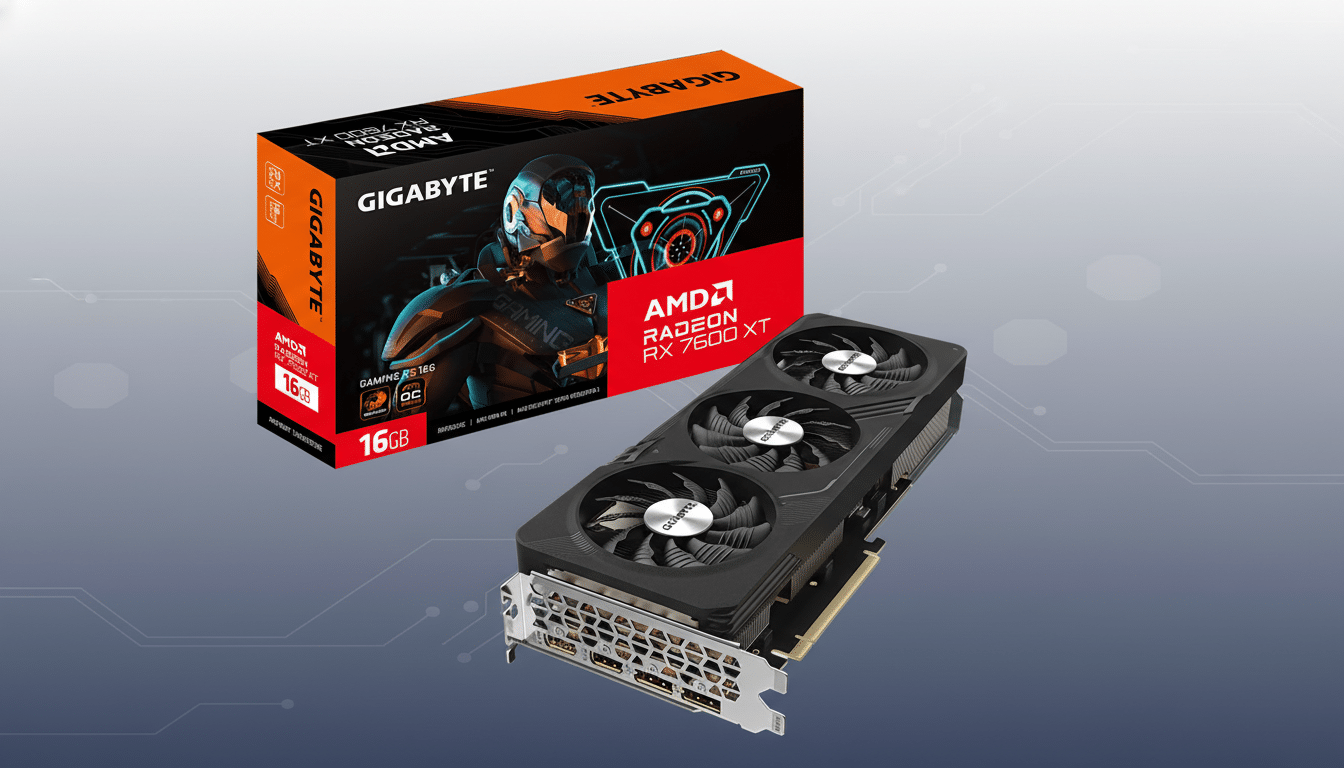
Linux gaming has long faced a specific hurdle for users with mid-range hardware: the inefficient management of video memory (vRAM). For gamers using graphics cards with 8GB of dedicated vRAM, a common frustration has been the “stutter” that occurs when background applications hog precious memory, forcing the active game to spill its data into slower system memory.
A significant breakthrough in this area has arrived thanks to Natalie Vock, an engineer on Valve’s Linux graphics driver team. Vock, who primarily works on the RADV Vulkan driver, has developed a series of Linux kernel and KDE Plasma patches designed to give foreground games priority access to vRAM, effectively stopping the operating system from “stealing” memory from the active game via XDA Developers.
These updates fundamentally change how the system handles memory allocations and evictions. By ensuring the foreground application—typically a fullscreen game—has first dibs on available dedicated video memory, the system prevents the performance degradation that occurs when game data is displaced to the Graphics Translation Table (GTT) in system memory. The practical result is a markedly more stable and fluid gaming experience, particularly for demanding titles like Cyberpunk 2077 running via Steam Play via Phoronix.
The Technical Architecture: Kernel and User-Space Synergy
The solution developed by Vock is not a single “toggle” but a coordinated effort between the Linux kernel and user-space components. To achieve smarter vRAM management, the patches introduce several critical technical changes.
On the kernel side, the work introduces support for the DRM (Direct Rendering Manager) device memory cgroup controller. Here’s paired with modifications to the TTM (Translation Table Manager) memory management code, which governs the specific logic of how memory allocations are handled and how they are evicted when the GPU runs out of space via Lunar Computer.
To make these kernel changes actionable for the user, two new user-space packages have been created:
- dmemcg-booster: A systemd service that enables and controls the DMEM cgroup limits, specifically used to boost memory availability for foreground games.
- plasma-foreground-booster: A dedicated component for KDE Plasma that automatically prioritizes vRAM for whichever application is currently in the foreground.
For users who do not utilize the KDE Plasma desktop environment, the same functionality is available through newer versions of Valve’s Gamescope compositor, ensuring that the benefits of this memory prioritization are accessible across different desktop configurations.
Why 8GB GPUs Are the Primary Beneficiaries
While these patches benefit a wide range of users, the impact is most pronounced on hardware with approximately 8GB of dedicated vRAM. In the current default Linux behavior, when vRAM fills up, the system may evict data to the GTT (system memory). The problem is that the system often evicts the game’s allocations while allowing lower-priority background processes to remain in the faster vRAM.
This creates a “bottleneck” where the game—the most resource-intensive task—is forced to communicate with slower system RAM, leading to frame drops and stuttering. Vock’s patches flip this dynamic, ensuring that background apps are the first to be evicted to make room for the game’s needs via Phoronix.
Comparison of Memory Handling
| Feature | Default Linux Behavior | Valve’s New Patches |
|---|---|---|
| Priority | Non-discriminatory eviction | Foreground application priority |
| 8GB GPU Impact | Games often spill to GTT/System RAM | Games keep priority in dedicated vRAM |
| Background Apps | May occupy high-speed vRAM | Evicted first to favor the active game |
| Performance | Potential for stuttering in heavy titles | Improved stability and fluidity |
Availability and How to Access the Patches
As of April 2026, these patches are not yet integrated into the main upstream Linux kernel or the standard KDE Plasma release, but they are available for users who want to test them immediately.
The simplest path to an “out-of-the-box” experience is through CachyOS, which has already integrated these patches via Lunar Computer. Users on this distribution can experience the improved vRAM prioritization without manual kernel compilation.
For the broader Linux community, the expectation is that these components—the DRM device memory cgroup support and the booster packages—will eventually land upstream. Once this happens, the improved memory management will be available across virtually every Linux distribution, regardless of whether the user is on CachyOS or a more traditional distro like Ubuntu or Fedora.
What So for the Future of Linux Gaming
This development highlights Valve’s ongoing commitment to refining the Linux gaming stack, moving beyond simply making games “work” via Steam Play/Proton and toward optimizing them for a wide variety of hardware specifications. By addressing the specific pain points of 8GB GPUs, Valve is widening the accessibility of high-finish gaming on Linux.
The success of these patches in running demanding titles like Cyberpunk 2077 with improved stability suggests that software-level memory management can significantly extend the usable life and performance of existing hardware, reducing the immediate need for users to upgrade to 12GB or 16GB cards just to avoid system-induced stuttering.
The next confirmed checkpoint for this technology is the expected upstream integration of the kernel patches and KDE components into the main Linux and Plasma branches. We will continue to monitor the development trackers for official merge announcements.
Do you use a Linux-based gaming setup? Have you noticed vRAM bottlenecks on your hardware? Share your experience in the comments below.