
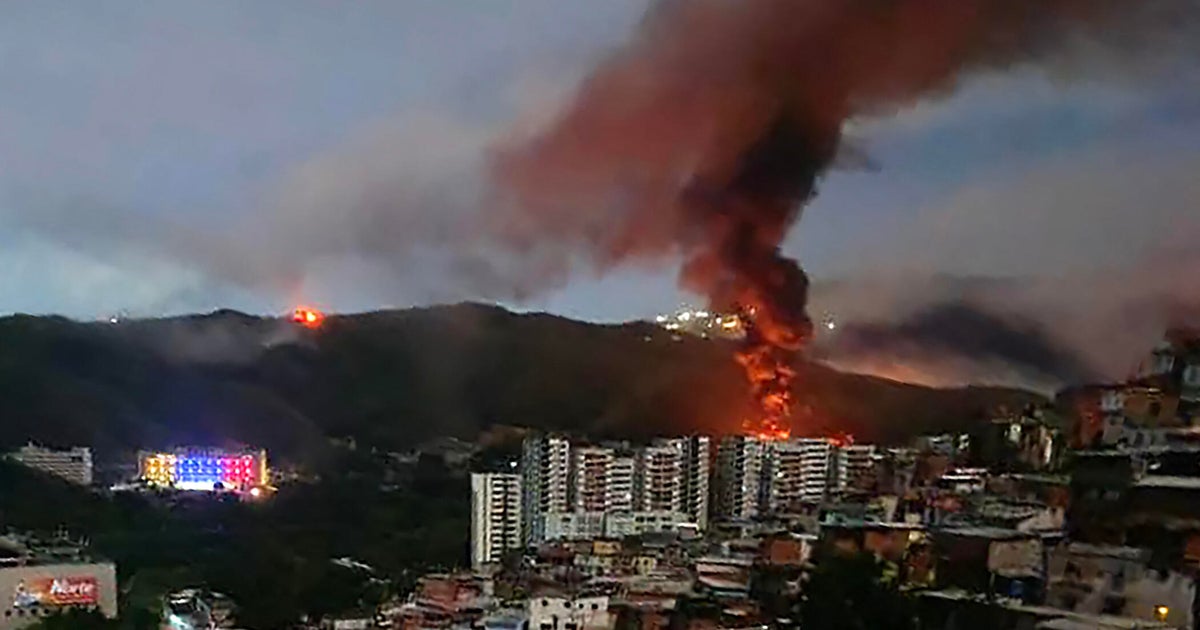
Rising tensions: U.S. Military Action and Venezuela’s Maduro
Recent events signal a significant escalation in U.S.involvement in Venezuela, marked by direct military action and heightened pressure on the Maduro regime. Here’s a breakdown of what’s happening, why it matters, and what you should know.
A Shift in Strategy: From Sanctions to Strikes
For months, the United States has been increasing its presence and assertive actions concerning Venezuela. Initially, this involved economic sanctions and diplomatic pressure. However, the approach has demonstrably shifted towards a more direct military posture.
I’ve found that a change in tactics like this often indicates a growing frustration with the lack of progress through conventional methods.
Increased Military Footprint
The U.S. has been steadily building its military strength in the region. Consider these key deployments:
* Troop Numbers: Approximately 15,000 U.S.troops are currently stationed in and around the area.
* Naval Power: As of December 30th, eleven naval vessels were operating in the Caribbean Sea. This includes the USS Gerald R.ford, a state-of-the-art aircraft carrier.
* Vessel Breakdown: The naval force also comprises five guided missile destroyers,two cruisers,an amphibious assault ship,and two transport dock ships.
* Air Superiority: Several dozen U.S. fighter jets are stationed in Puerto Rico, ready for deployment.
* Special Operations Capabilities: This month saw the deployment of aircraft specifically designed for special forces operations, including CV-22 Ospreys and C-17 cargo planes.
This substantial buildup clearly demonstrates a willingness to project force and respond to perceived threats.
Recent Military Actions
The U.S.has already taken direct military action, primarily targeting what they allege are drug trafficking operations. these actions include:
* Targeted Strikes: Deadly strikes have been conducted against suspected drug boats in both the Caribbean and the Eastern pacific.
* Increased Interdiction: Efforts to intercept and disrupt drug shipments have been intensified.
These actions are framed as part of a broader effort to combat drug trafficking, but they also serve as a clear signal to the Maduro regime.
The Maduro Factor: A $50 Million Bounty
Adding another layer of pressure, the reward for information leading to the arrest of venezuelan President Nicolás Maduro has been doubled to $50 million. This demonstrates a firm commitment to holding Maduro accountable for alleged crimes, including drug trafficking and corruption.
Here’s what works best when dealing with complex geopolitical situations: understanding the motivations behind each action. The increased bounty is a clear indication of the U.S.’s desire to see a change in leadership in Venezuela.
What Dose This Mean for You?
While these events unfold thousands of miles away, they have potential implications for global stability and security.
* Regional Instability: Increased military activity always carries the risk of escalation and unintended consequences.
* Humanitarian Concerns: Any conflict could exacerbate the already dire humanitarian situation in Venezuela.
* Drug Trafficking: Disrupting drug trafficking routes could have ripple effects on drug markets worldwide.
it’s crucial to stay informed about these developments and understand the potential ramifications. I believe that a proactive approach to understanding these complex issues is the best way to navigate an increasingly uncertain world.
This situation is evolving rapidly, and I will continue to provide updates as they become available.





