
US Escalates Pressure on Venezuela with Tanker Seizures and Increased Military Presence
The United States is considerably escalating its pressure campaign against the nicolás Maduro regime in Venezuela, recently seizing multiple oil tankers and increasing its military footprint in the Caribbean Sea. Thes actions stem from accusations that Venezuela is using oil revenue to fund illicit activities, including drug trafficking, and attempts to circumvent existing US sanctions. This situation is rapidly evolving, with Venezuela denouncing the seizures as acts of theft and vowing retaliation.
Recent Developments:
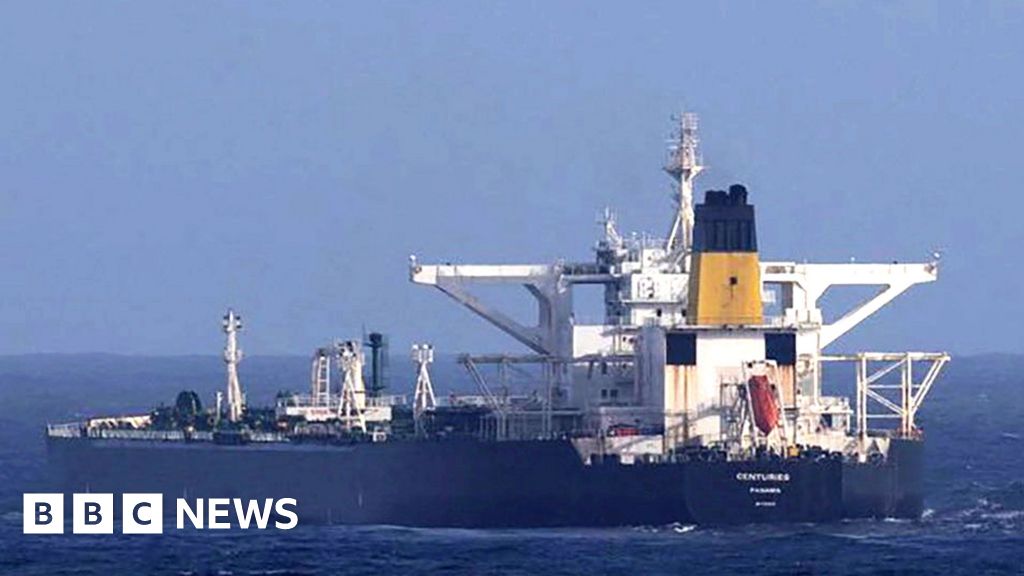
* Tanker Seizures: US authorities have seized two oil tankers this month alone, including one on Saturday.
* “Dark fleet” Pursuit: On Sunday, a pursuit targeted a ”sanctioned dark fleet vessel” linked to Venezuela’s efforts to evade sanctions. Officials report the vessel was operating under a false flag and was subject to a judicial seizure order.
* Trump’s ”Blockade” Order: Last week, President Donald Trump ordered a blockade of sanctioned oil tankers entering or leaving Venezuela.
* Increased Military Presence: The US has bolstered its military presence in the Caribbean, alongside reported strikes against alleged Venezuelan drug-smuggling boats.
The Core of the Dispute
Washington alleges that the Maduro government is utilizing profits from oil sales to finance drug-related crime. Venezuela, possessing the world’s largest proven oil reserves, vehemently denies these claims, accusing the Trump governance of attempting to steal its resources. The US has specifically accused Maduro of leading Cartel de los Soles, a group designated as a terrorist institution – a charge Maduro refutes.
Understanding the Sanctions and Evasion Tactics
The US has imposed extensive sanctions on Venezuela, aiming to force a change in leadership and address concerns over human rights and democratic governance. However, Venezuela has actively sought ways to circumvent these sanctions, leading to the emergence of what authorities are calling a “dark fleet.”
Here’s what you need to know:
* “Dark Fleet” Defined: These are vessels involved in concealing the origin and destination of venezuelan oil, often using deceptive shipping practices.
* False Flagging: A common tactic involves flying flags of other nations to disguise the true ownership and origin of the cargo.
* Sanctioned Vessels: As of last week, over 30 of the 80 ships in or approaching Venezuelan waters were already under US sanctions, according to data from TankerTrackers.com.
Details of the Recent Seizures
The tanker seized on Saturday was Panamanian-flagged and boarded by a specialized tactical team in international waters. While not directly listed on the US Treasury’s sanctions list, authorities claim it was carrying “sanctioned PDVSA oil.” Records show the ship has previously sailed under the flags of Greece and Liberia in the past five years, highlighting the complexity of tracking these vessels.
Venezuela’s Response and International implications
The Venezuelan government has strongly condemned the seizures, labeling them as “theft and kidnapping.” They intend to file complaints with the United Nations Security Council and other international bodies.
Venezuela is heavily reliant on oil export revenue to fund government operations, making these seizures particularly impactful. The situation is further elaborate by:
* Congressional Scrutiny: US military actions, particularly the strikes on alleged drug-smuggling boats (resulting in approximately 100 deaths), are facing increasing scrutiny from Congress. No public evidence has been presented to support claims that these vessels were carrying drugs.
* Political Rhetoric: Secretary of State Marco Rubio has stated the current situation with Venezuela is “intolerable,” signaling a continued commitment to regime change. This rhetoric has drawn criticism from Venezuelan Foreign Minister Jorge Arreaza, who accuses the US of pursuing destabilizing policies.
What’s Next?
The situation remains highly volatile.The US appears determined to disrupt Venezuela’s ability to circumvent sanctions and generate revenue.Venezuela, in turn, is likely to continue challenging US actions on the international stage and seeking alternative avenues for oil exports.
As an observer, you shoudl expect further escalations, increased diplomatic tensions, and a continued focus on Venezuela’s oil industry as a key point of contention. The long-term implications for regional stability and the global oil market remain uncertain.
Disclaimer: *This article provides information based on publicly available


![Vote Buying: Stopping Corruption & Protecting Democracy | [Year]](https://i0.wp.com/wowplus.net/wp-content/uploads/2025/12/vote-buying-is-cancerous-must-be-stopped-at-roots-peter-obi-1024x682.webp?resize=330%2C220&ssl=1 "Vote Buying: Stopping Corruption & Protecting Democracy | [Year]")

![Luxury Gifts for Women: Ideas & Buying Guide [2024]](https://i0.wp.com/observer.com/wp-content/uploads/sites/2/2025/12/Expensive-Gifts.png?resize=150%2C100&ssl=1 "Luxury Gifts for Women: Ideas & Buying Guide [2024]")


