the Audacious Attempt to Oust Maduro: A Deep Dive into the 2026 Venezuela Operation
Have you ever wondered about the intricate planning and high stakes involved in a covert operation aimed at regime change? In early 2026, the world watched in astonishment as an attempt to capture Venezuelan President Nicolás Maduro unfolded. This wasn’t a spontaneous decision, but the culmination of months of meticulous preparation involving a significant U.S. military presence. Let’s unpack the details of this audacious operation, its fallout, and the broader geopolitical context.
The operation Unveiled: months in the Making
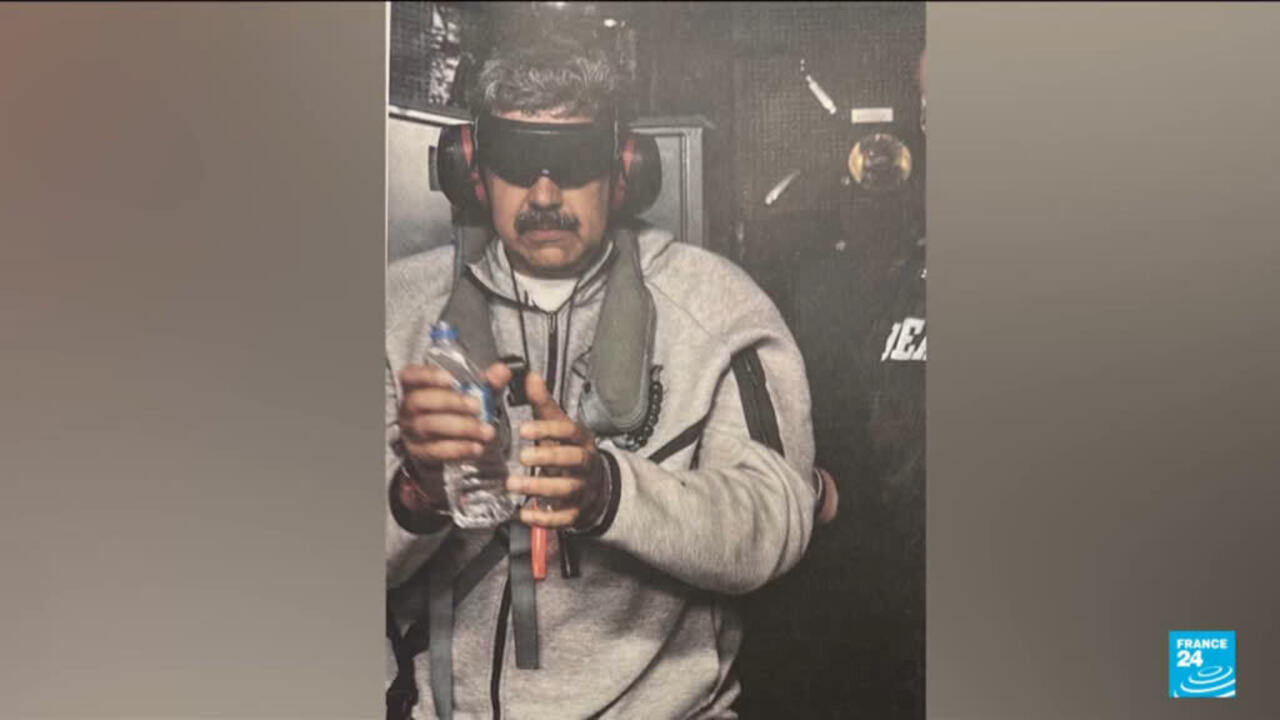
Reports indicate the operation to remove maduro was far from a swift strike.Thousands of U.S. troops, including members of the elite Army Delta Force, were involved in the planning and execution. This level of involvement underscores the strategic importance the U.S. placed on a shift in Venezuela’s leadership.
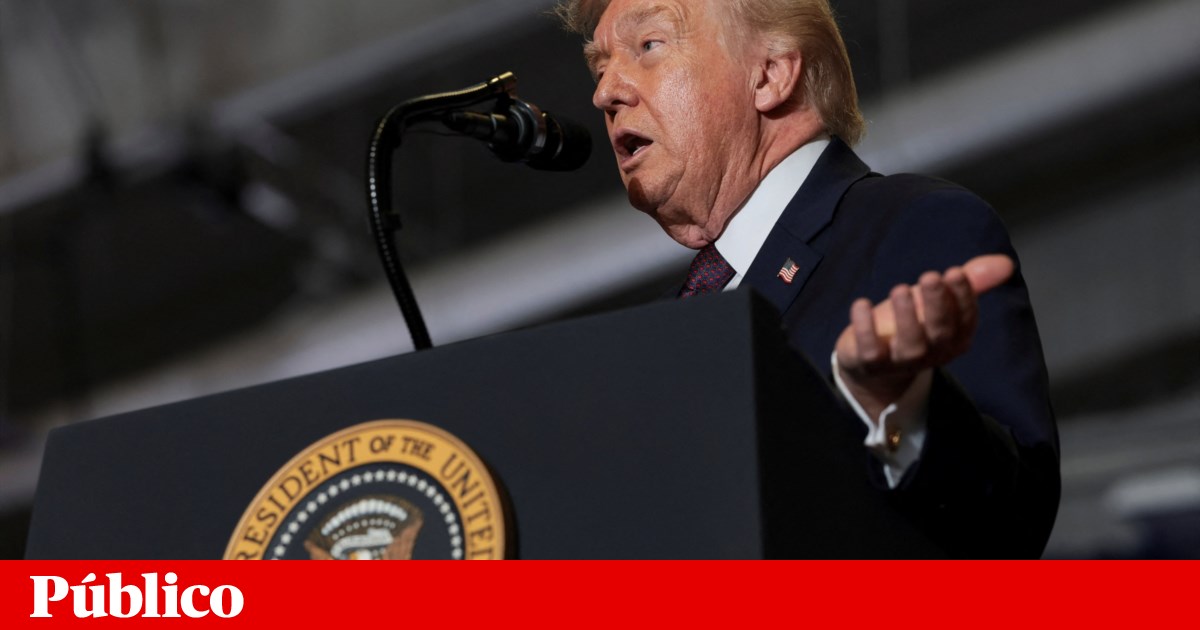
President Trump confirmed that American forces sustained injuries during the assault, and a helicopter was reportedly hit by gunfire. While Venezuelan acting president Delcy Rodríguez refrained from providing a precise casualty count,she acknowledged that both civilians and military personnel were killed during the operation. The incident immediately sparked international debate and condemnation from various corners of the globe.
understanding the preceding Context: A Nation in Crisis
To truly grasp the importance of this operation, you need to understand the situation in Venezuela leading up to 2026. Years of economic mismanagement, hyperinflation, and political turmoil had created a humanitarian crisis. Millions of venezuelans had fled the country, seeking refuge in neighboring nations. The UNHCR reports over 7.7 million Venezuelan refugees and migrants worldwide as of late 2025, a staggering figure highlighting the scale of the crisis.
Furthermore, accusations of widespread human rights abuses and a crackdown on political opposition fueled international pressure on the Maduro regime. This backdrop of instability and suffering provided the justification, in the eyes of some, for intervention.
Key Players and their Roles
Several key players were central to this unfolding drama.
* Nicolás Maduro: The embattled president of Venezuela, whose grip on power was increasingly tenuous.
* Donald Trump: The U.S. President at the time, who authorized the operation.
* Delcy Rodríguez: Venezuela’s acting president, responsible for managing the aftermath and communicating the goverment’s position.
* Army delta Force: The elite U.S. special operations unit tasked with a critical role in the operation.
* Juan Guaidó: While his influence had waned by 2026,Guaidó’s earlier claim to the interim presidency played a role in the international recognition (or lack thereof) of the Maduro government.
The Immediate Aftermath and International Reaction
The operation’s failure to capture Maduro led to a swift and strong condemnation from Venezuela and its allies,including Cuba and Russia. Accusations of U.S. imperialism and interference in Venezuelan sovereignty were widespread. Conversely, some nations, especially within the Americas, expressed cautious support for efforts to restore democracy in venezuela.
The incident also prompted a renewed debate about the legality and morality of intervention in sovereign nations. International law generally prohibits interference in the internal affairs of other countries, but exceptions exist in cases of humanitarian crises or egregious human rights violations.
Analyzing the Strategic Implications
This attempted regime change carries significant strategic implications. It highlights the ongoing power struggle between the U.S. and its rivals, particularly Russia and China, for influence in Latin America. Venezuela’s vast oil reserves make it a strategically important nation, and control over those resources is a key factor in the geopolitical calculus.
Moreover,the operation underscores the risks associated with covert interventions. Even with meticulous planning, unforeseen circumstances and resistance can derail such efforts, potentially leading to unintended consequences. [A recent study by the Council on Foreign relations](https://www.cfr.org/report/lessons-learned-from-us-interventions-abroad