
Venezuela Seeks Russian Military Aid Amidst Rising US Presence in the Caribbean: A Deep Dive
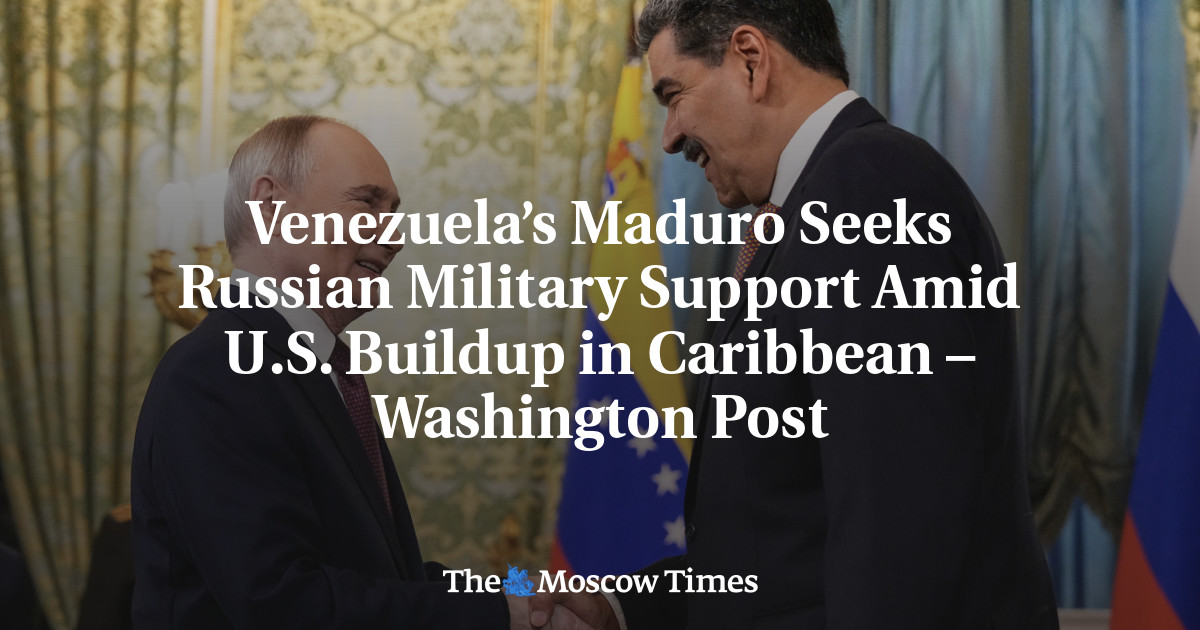
The geopolitical landscape in the caribbean is shifting, with Venezuela’s President Nicolás Maduro recently requesting military assistance from Russia as the United States increases its military footprint in the region. This growth, revealed through leaked U.S. government documents obtained by the Washington Post https://www.washingtonpost.com/world/2025/10/31/russia-venezuela-oil-trump/, raises critical questions about regional stability, the evolving Russia-Venezuela alliance, and the potential for escalating tensions. But what’s driving this request,and what does it signify for the future of the region?
The Request: A Detailed Breakdown
According to the reported documents,Maduro’s appeal,delivered by Venezuelan Transportation Minister Ramón Celestino Velásquez during a mid-October visit to Moscow,centers around bolstering Venezuela’s air defense capabilities. Specifically, the request includes:
* 14 Missile Units: A significant addition to Venezuela’s existing air defense infrastructure.
* Su-30MK2 fighter Jet Restoration: Revitalization of previously purchased Russian-made Sukhoi su-30MK2 fighter jets, described in the letter as “the most significant deterrent” against potential conflict.
* Engine & Radar Overhauls: Maintenance for eight engines and five radar systems, crucial for operational readiness.
* Logistical Support: Unspecified support, likely encompassing spare parts, training, and potentially personnel.
* Medium-Term Financing: A three-year financing plan through Russian state defense conglomerate Rostec, though the exact amount remains undisclosed.
this isn’t a request for minor upgrades; it’s a thorough effort to modernize and reinforce Venezuela’s military defenses. But why now?
Context: US Military Buildup and Regional Concerns
The timing of Maduro’s request is inextricably linked to the increased U.S. military presence in the Caribbean. While the specific reasons for this buildup are multifaceted – ranging from counter-narcotics operations to concerns about regional security and potential migration flows – it’s perceived by Caracas as a direct threat.The U.S.has historically maintained a significant naval presence in the Caribbean, but recent reports suggest a concentration of forces beyond typical levels.
This perceived threat is further compounded by the ongoing political and economic crisis in Venezuela, coupled with continued U.S. sanctions. Maduro’s government views these sanctions as a form of economic warfare, and the increased military presence as a prelude to potential intervention.
The Russia-Venezuela Alliance: A Strategic Partnership
Venezuela and Russia have cultivated a strong strategic partnership, particularly since the era of Hugo Chávez. This relationship is built on shared geopolitical interests, including a desire to counter U.S. influence in Latin America. In May 2025, Putin and Maduro formalized this alliance by signing a strategic partnership treaty in Moscow https://www.themoscowtimes.com/2025/05/07/putin-and-maduro-sign-strategic-partnership-treaty-in-moscow-a89010, solidifying their commitment to cooperation in areas such as defense, energy, and trade.
Russia has become a key supplier of military equipment to Venezuela,and Venezuelan oil has provided a crucial revenue stream for Russia,particularly in light of Western sanctions. Though, the current context – Russia’s ongoing war in Ukraine – introduces a significant variable.
Will Russia Respond? Constraints and Considerations
While the strategic partnership is strong, Russia’s capacity and willingness to fully assist Venezuela are questionable. Moscow is heavily engaged in Ukraine, straining its military resources and logistical capabilities. Moreover, a direct confrontation with the U.S. in the Caribbean is unlikely to be in Russia’s strategic interest.
Analysts suggest that Russia may offer limited assistance, focusing on maintenance and spare parts, rather than deploying significant new military hardware. The Washington Post cites observers who believe Moscow would have limited capability or interest in intervening directly in Venezuela, even in the face of U.S




![Hamilton Christmas Eve Robbery: 3 Youths Arrested | [Year] Update](https://media.rnztools.nz/rnz/image/upload/s--nP7cJMJH--/t_tohu-badge-facebook/v1666821097/4LJ9HX0_IMG_1842_1_jpg?_a=BACCd2AD "Hamilton Christmas Eve Robbery: 3 Youths Arrested | [Year] Update")

