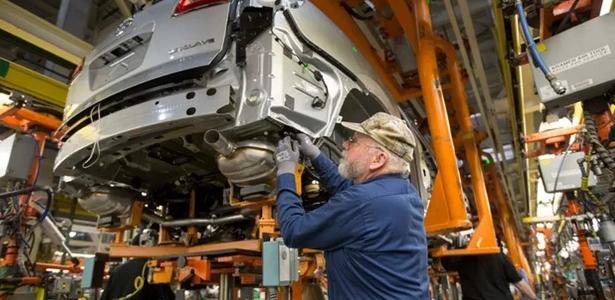
Venezuela’s automotive industry, once a promising sector, has faced a dramatic decline over the past decade.
economic turmoil, including foreign currency restrictions, exchange controls, a steep drop in purchasing power, and a deteriorating business climate, initiated this unraveling.
Consequently, automakers began reducing shifts, closing production lines, and dismantling assembly operations throughout the 2010s.
By 2016,the entire Venezuelan automotive industry produced just over 3,000 vehicles,a stark contrast to its historical output.
Many factories were either idled for months or operated intermittently, largely due to the challenges of importing parts and components and the inability to access or repatriate financial resources.
General Motors‘ departure in 2017 became the most visible symbol of this collapse.
Production had already been halted as 2015 when the company lost control of its industrial unit following a lengthy legal dispute with former dealerships.
The resolution of the case, which authorized the confiscation of the factory, clearly exposed the level of legal insecurity faced by companies during that period and reinforced the perception that the business surroundings had become unsustainable for the automotive industry.
This event accelerated a trend already underway,with other manufacturers soon ending their industrial operations in the country.
Ford, FCA-Chrysler (now Stellantis), and Mitsubishi closed factories or abandoned local production.
Toyota resisted for longer, but ultimately halted regular production in 2020, maintaining only occasional assembly operations at a significantly reduced

Trump’s Venezuela Oil Protection Order: What’s Behind It?
SpaceX Launches ‘Pandora’ Mission to Study Exoplanets


Related Posts

Trump Administration Threatens Criminal Charges Against Federal R ...
January 12, 2026
Don’t Speed: Safe Driving Tips for Large SUVs Like Pajero & Fortu ...
January 12, 2026