
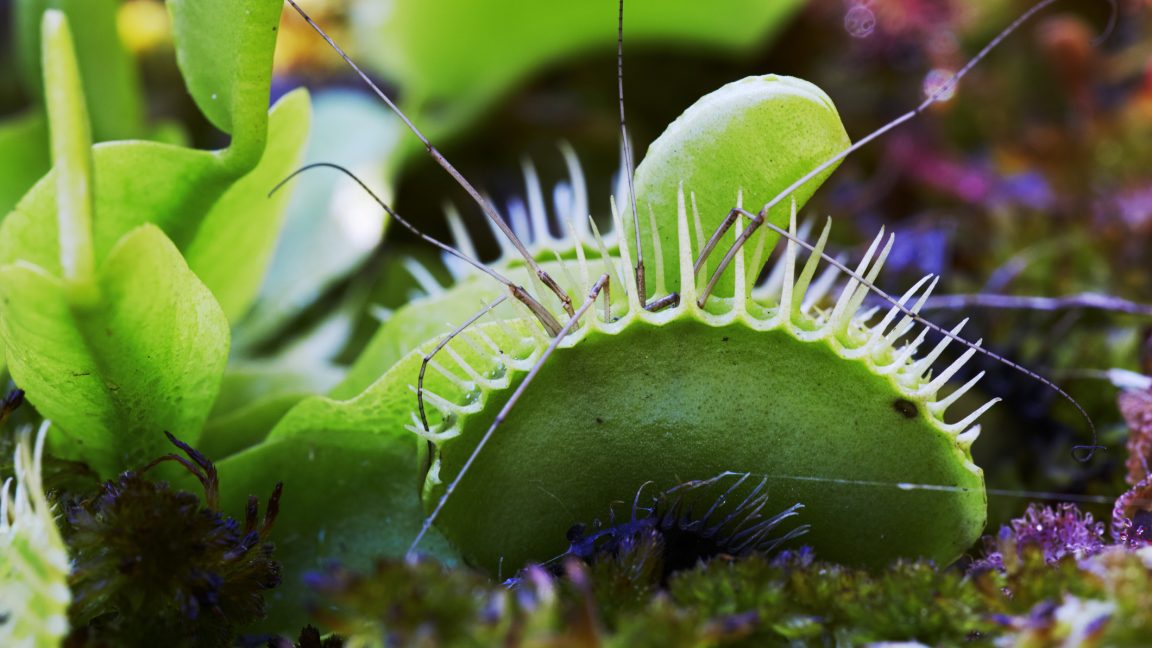
The Remarkable Intelligence of the Venus Flytrap: More Than Just a snap
The Venus flytrap ( Dionaea muscipula) is arguably one of the most fascinating plants on Earth. It’s not just a botanical curiosity; it’s a surprisingly sophisticated predator with a complex system for deciding when to strike.For years, scientists have been unraveling the secrets behind this plant’s quick reflexes and “memory,” and recent discoveries are truly remarkable.
How Does the Venus Flytrap Know When to Close?
You might wonder how a plant can seemingly “think” enough to distinguish between a genuine meal and a raindrop. It all comes down to a clever triggering mechanism. The flytrap’s leaves are lined with tiny hairs, known as trigger hairs.
Here’s how it works:
* Initial stimulation: A single touch to one of these hairs won’t do it. The plant needs two stimulations within a short timeframe – roughly 20 seconds.
* Confirming the Meal: This prevents the trap from closing on false alarms like falling debris. once two hairs are triggered, the trap begins to close.
* The Five-Step Rule: However, the trap doesn’t fully seal shut instantly. It requires three additional stimuli within about a minute to fully activate.
* Digestion Begins: only then does the flytrap begin to produce digestive enzymes, effectively creating a stomach to consume its prey.
I’ve found that this multi-step process is a brilliant example of evolutionary engineering. It demonstrates a level of sophistication we often don’t associate with plants.
Unlocking the Plant’s Electrical Signaling
for a long time, the exact mechanism behind this “counting” ability remained a mystery. Scientists knew electrical signals were involved,but understanding how thay traveled and were processed was a challenge. Recent research has shed significant light on this process.
Here’s what we now understand:
* Signal Origin: The electrical signal originates in the sensory hairs themselves.
* Radial Spread: This signal then spreads outward from the point of stimulation,traveling in all directions. Interestingly, there doesn’t appear to be a preferred pathway for the signal.
* spontaneous Activity: Sometimes, these signals even occur spontaneously, even without external stimulation. This suggests a level of internal activity within the plant.
The Role of Calcium: A Plant’s Short-Term Memory
A breakthrough came with the introduction of a genetically modified Venus flytrap. Researchers introduced a gene for a calcium sensor protein called GCaMP6. This protein glows green when it binds to calcium, allowing scientists to visualize calcium concentration changes within the plant’s cells.
What they discovered was fascinating.
* Calcium fluctuations: The waxing and waning of calcium concentrations in the leaf cells appear to act as a form of short-term memory.
* Connecting the Dots: While the exact relationship between calcium levels and the plant’s electrical network is still being investigated, it’s clear that calcium plays a crucial role in the flytrap’s decision-making process.
Essentially, the plant is “remembering” the number of stimuli it has received through these calcium fluctuations.It’s a remarkable example of how plants can process facts and respond to their surroundings in complex ways.
What does This Mean for the Future?
These discoveries aren’t just about understanding a fascinating plant. They have broader implications for bioelectronics and our understanding of plant intelligence. By mapping the Venus flytrap’s signaling mechanisms, scientists are gaining insights that could inspire new technologies.
Furthermore, it challenges our preconceived notions about plants. They aren’t simply passive organisms; they are active, responsive beings capable of complex behaviors. The Venus flytrap, in particular, is a testament to the amazing ingenuity of nature.





