
Rising symptoms-risks-prevention/” title=”Gulf Coast Flesh-Eating Bacteria: …, Risks & …”>Vibrio vulnificus Cases in Florida: What You Need to No
Florida is currently experiencing a surge in Vibrio vulnificus infections, a potentially life-threatening bacteria found in warm coastal waters and seafood. This year’s case count is significantly higher than usual, prompting health officials to issue warnings and guidance for residents and visitors. Let’s break down what’s happening, the risks, and how you can protect yourself.
A Concerning Increase in Infections
Currently, Florida has reported 34 cases of Vibrio vulnificus and 7 deaths. This is more than double the average number of cases expected at this point in the season and four times the typical death toll. While other Gulf States haven’t seen a similar spike,Florida consistently reports more infections than other states due to its unique environmental conditions.
Notably, last year at this time, the state had recorded 82 cases and 19 deaths. However, officials anticipate further increases as hurricane season progresses, as tropical storms often contribute to higher infection rates.
understanding the Threat: What is Vibrio vulnificus?
Vibrio vulnificus is a naturally occurring bacterium that thrives in warm, brackish (slightly salty) water. It’s part of a group of bacteria known as “haloalkaliphilic” vibrios, meaning they love salt and high pH.This bacterium can cause severe illness, and even death, if it enters the body.
There are two primary ways you can become infected:
Wound Infection: The bacteria enters through open wounds exposed to contaminated water.
Consumption of Contaminated Seafood: Eating raw or undercooked seafood, notably oysters, can lead to infection.
The Story of One Victim
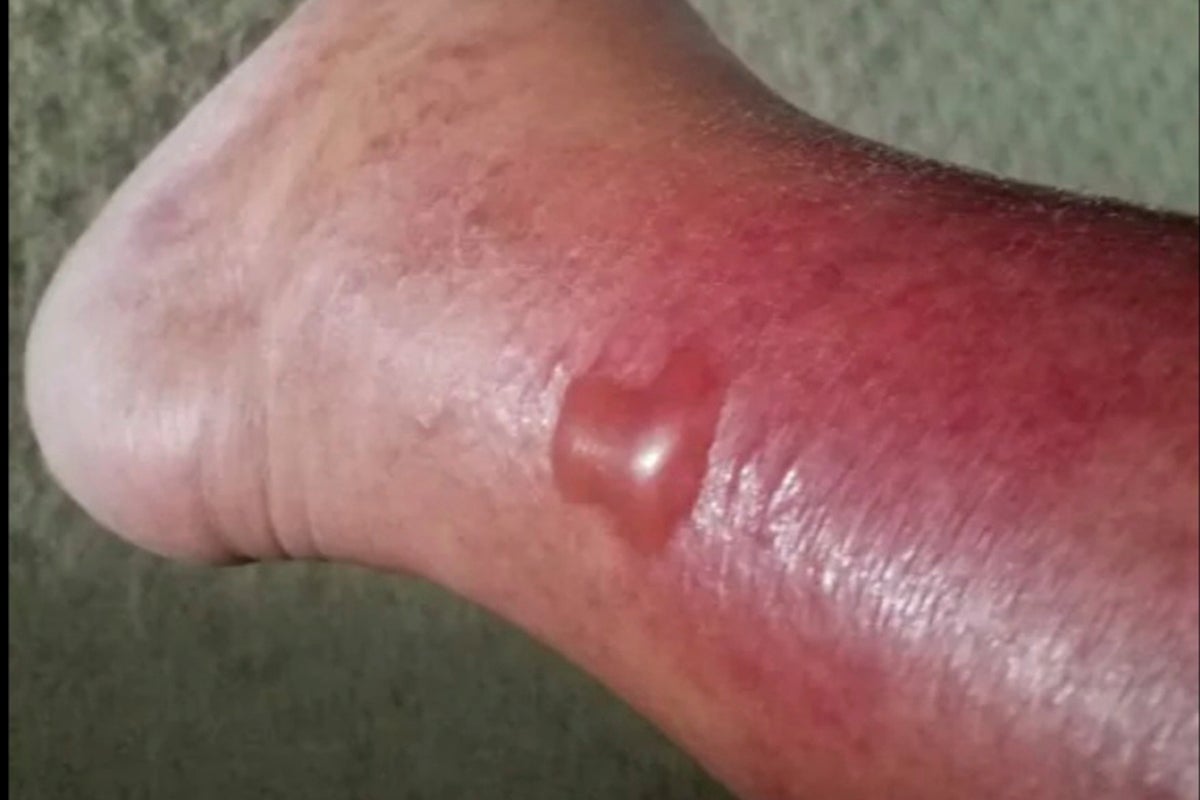
One recent case highlights the severity of this infection.pensacola resident, Mr. Stewart, contracted Vibrio vulnificus after wading in the bay. He required extensive skin grafts after the bacteria caused rapidly decaying tissue. His experience underscores the importance of taking precautions, even for seemingly minor exposures.
How to Protect Yourself: Prevention is Key
You can significantly reduce your risk of Vibrio vulnificus infection by following these guidelines:
If You Have a Wound:
Stay out of saltwater or brackish water if you have any open cuts, scrapes, or recent piercings/tattoos.
Cover any existing wounds with a waterproof bandage if exposure to coastal water is unavoidable.
When in Coastal Waters:
Promptly wash any cuts or scrapes thoroughly with soap and clean running water after contact with coastal waters.
Be especially cautious if you have a weakened immune system, liver disease, or diabetes, as you are at higher risk.Regarding Seafood Consumption:
Do not eat raw or undercooked oysters or other seafood. This is the most crucial step in preventing infection from contaminated food.
Avoid letting raw seafood or its juices contaminate other foods.
Wash your hands thoroughly with soap and water after handling raw shellfish.
Wear protective gloves if you have a compromised immune system and are handling raw shellfish.
Discard any clams, mussels, or other shellfish with open shells before cooking.
Recognizing the Symptoms: Seek Immediate Medical Attention
Early detection is critical. If you develop any of the following symptoms after exposure to coastal waters or consuming seafood, seek medical attention immediately:
Fever
Chills
Redness and swelling of the skin, particularly if it begins to darken and blister.
Severe abdominal pain, nausea, and vomiting (if infection is from consuming contaminated seafood).
A Call for Increased Awareness
Individuals like Mr. Stewart are advocating for increased public awareness. He believes posting warning signs near coastal areas could help prevent future infections. Remember, not everyone has a strong immune system, and taking precautions is vital for everyone’s safety.
Resources for More Information:
Centers for Disease Control and Prevention (CDC): https://www.cdc.gov/vibrio/vulnificus/index.html
*

![Sudan Returns: Khartoum Residents Rebuild After Conflict | [News Source]](https://i0.wp.com/images.csmonitor.com/csm/2025/08/1198337_2_khartoum-electricity-8-18-25_standard.jpg?resize=150%2C150&ssl=1 "Sudan Returns: Khartoum Residents Rebuild After Conflict | [News Source]")



