
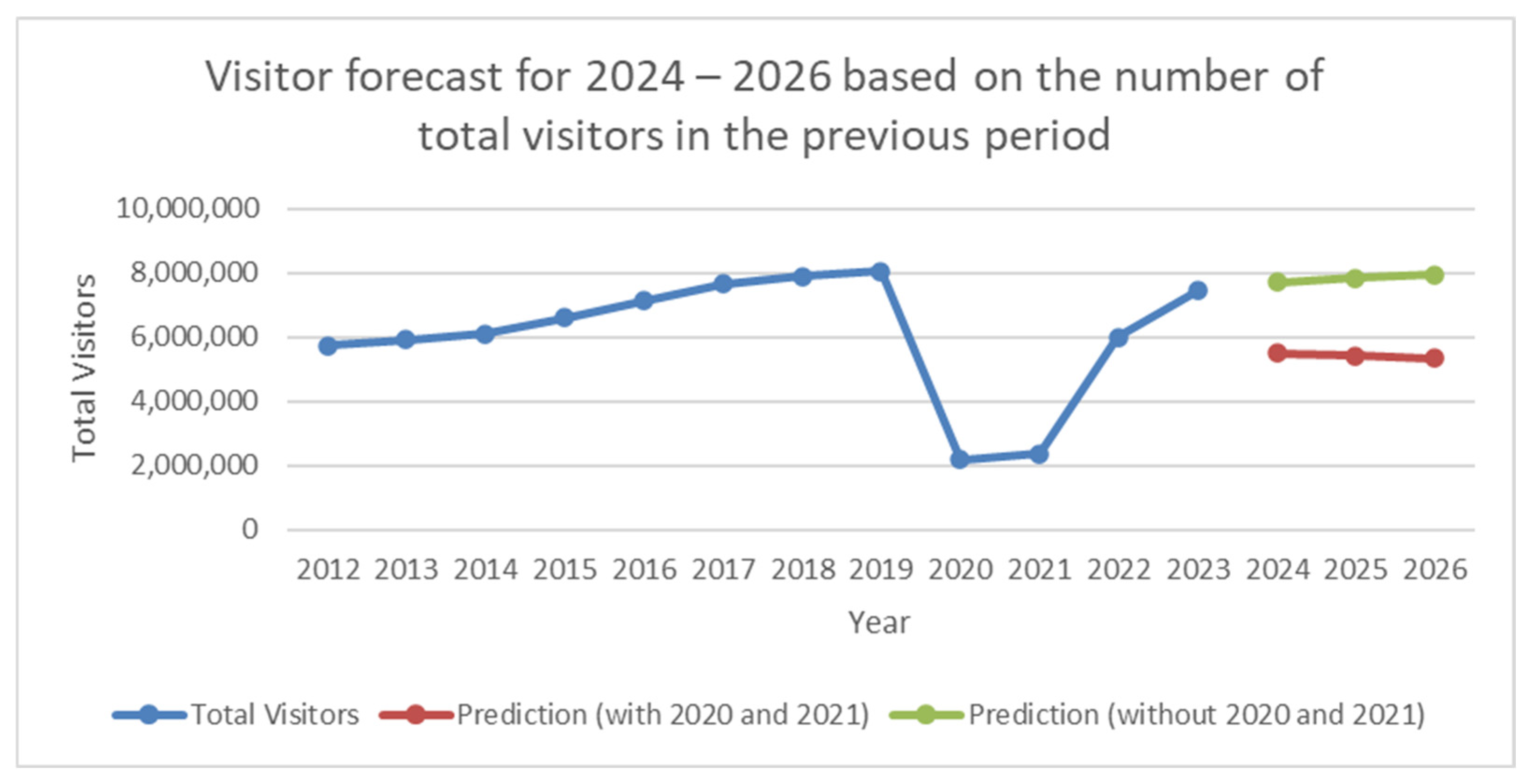
For decades, Las Vegas operated as a gilded monopoly, the undisputed epicenter of American gambling. The allure was simple: if you wanted to wager significant sums in a legal, high-stakes environment, you flew to the Mojave Desert. However, the landscape of American gaming has shifted seismically. With the proliferation of legal sports betting and the expansion of casino gaming across dozens of states, the “destination” appeal of the Strip is facing a fundamental evolution.
The core challenge for Las Vegas is no longer about providing a place to gamble, but about providing a reason to visit. As mobile betting apps bring the casino floor to the palms of millions of Americans, the city’s traditional revenue drivers are being decentralized. Yet, for the seasoned economic observer, this shift is less of a crisis and more of a catalyst. The future of Las Vegas gambling is becoming inextricably linked to the “experience economy,” where the bet is merely a backdrop to a broader luxury and entertainment offering.
While some legacy metrics suggest a volatility in traditional gaming traffic, the broader economic picture reveals a strategic pivot. Las Vegas is aggressively diversifying its portfolio, transforming from a gambling hub into a global sports and entertainment capital. This transition is not merely a survival tactic; it is a sophisticated hedge against the democratization of gambling across the United States.
The Conclude of the Gambling Monopoly
The catalyst for this shift was largely legal. The 2018 Supreme Court decision to overturn the Professional and Amateur Sports Protection Act (PASPA) opened the floodgates for sports wagering across the country. Since then, a vast majority of U.S. States have legalized some form of sports betting, effectively removing the primary incentive for “gambling tourism.” When a bettor can place a wager on an NFL game from their couch in Ohio or a sportsbook in New Jersey, the necessity of a trip to Nevada diminishes.
This decentralization has forced a reckoning for the integrated resorts on the Strip. The reliance on the “gaming floor” as the primary profit center has eroded. According to data from the Nevada Gaming Control Board, while gaming revenue remains a powerhouse, the growth trajectory is increasingly influenced by non-gaming spend. The city is now competing not just with other gambling destinations like Atlantic City or Macau, but with the convenience of digital interfaces.
the rise of iGaming—online casino games like blackjack and roulette—in states like Pennsylvania and Michigan further challenges the traditional casino model. This shift has pushed Las Vegas to redefine its value proposition. The focus has moved from the act of gambling to the atmosphere of the gamble.
The Pivot to the Experience Economy
To counter the rise of local legalization, Las Vegas is doubling down on assets that cannot be replicated by an app: physical spectacle and elite sporting events. The city has transitioned into a “destination for everything,” blending high-stakes gaming with world-class athletics and immersive technology.

The arrival of professional sports has been a cornerstone of this strategy. The relocation of the Las Vegas Raiders and the success of the Vegas Golden Knights have transformed the city into a legitimate sports town, drawing a new demographic of visitors who may gamble, but whose primary motivation is the event itself. This is further amplified by the introduction of the Las Vegas Convention and Visitors Authority (LVCVA) focus on high-value convention business and international tourism.
The most visible symbol of this evolution is the Sphere. By creating a venue that offers a sensory experience unlike any other on earth, Las Vegas is signaling that its future lies in “spectacle.” The goal is to create a symbiotic relationship where the entertainment draws the crowd, and the gambling serves as a high-margin amenity for those already on-site.
Diversification Metrics: Gaming vs. Non-Gaming
The economic shift is evident in how resorts now structure their revenue. In previous decades, the casino floor subsidized the hotel and restaurants. Today, the trend is often reversed. Luxury dining, high-end retail, and “Instagrammable” experiences are now primary drivers of foot traffic. This diversification protects the city from fluctuations in gaming laws in other states; if a new state legalizes sports betting, it may reduce a few betting trips, but it doesn’t stop a tourist from wanting to see a residency show or dine at a Michelin-starred restaurant.
What So for the Global Traveler
For the global audience, the “New Vegas” is more accessible and varied. The city is moving away from the “Sin City” trope toward a more holistic luxury destination. This includes a surge in wellness tourism, high-end art installations, and a more sophisticated approach to nightlife that appeals to Gen Z and Millennial travelers who prioritize “experiences” over traditional slot machines.
The integration of sports and gaming is also creating new opportunities for “hybrid tourism.” The hosting of the Formula 1 Las Vegas Grand Prix is a prime example. By turning the Strip itself into a race track, the city merged its urban identity with a global sporting event, attracting an ultra-high-net-worth demographic that spends far beyond the typical gambling budget.
Key Strategic Shifts in the Las Vegas Model
| Feature | Traditional Model | Modern Model (The Pivot) |
|---|---|---|
| Primary Draw | Legal gambling access | World-class entertainment & sports |
| Revenue Driver | Casino floor (Gaming) | Diversified (Non-gaming/Experience) |
| Target Audience | Hardcore gamblers | Global tourists, sports fans, convention-goers |
| Competitive Edge | Legal monopoly | Unmatched physical spectacle (e.g., The Sphere) |
The Road Ahead: Risks and Opportunities
Despite the successful pivot, risks remain. The volatility of the global economy and the potential for a downturn in discretionary spending could impact the high-end “experience” model. As more states adopt comprehensive iGaming frameworks, the “casual” gambler may never feel the need to visit a physical casino.
However, the opportunity lies in the “premiumization” of the experience. Las Vegas is not trying to compete with a smartphone app on convenience; it is competing on grandeur. By focusing on the “ultra-premium” segment—where the gambling is part of a larger, curated luxury lifestyle—the city ensures its relevance regardless of where gambling is legal.
The next phase of growth will likely involve deeper integration of technology within the physical resorts. We can expect more personalized, AI-driven guest experiences and a further blurring of the line between digital wagering and physical presence, perhaps through augmented reality (AR) enhancements on the casino floor.
The next confirmed checkpoint for the industry’s health will be the release of the next quarterly gaming revenue reports from the Nevada Gaming Control Board, which will provide a clear picture of how non-gaming revenue is scaling relative to traditional wagering in the current fiscal year.
Do you think the “experience economy” is enough to maintain Las Vegas as the world’s gambling capital, or has the digital shift permanently changed the game? Share your thoughts in the comments below.