
The Rise of AI Models in Fashion: A Troubling Trend or Unavoidable Future?
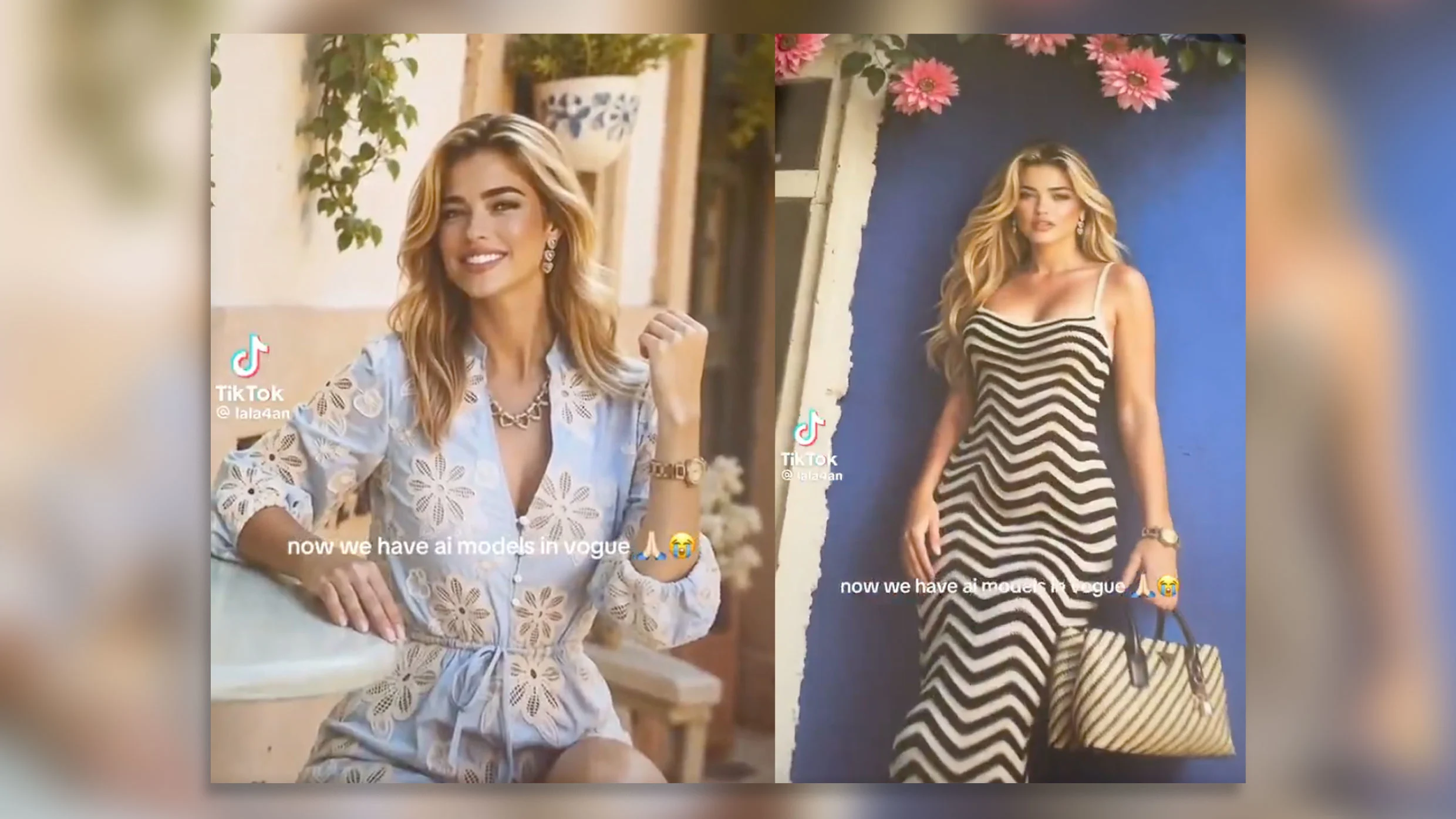
The fashion world is no stranger to pushing boundaries, but a recent advertising campaign featuring a entirely AI-generated model for Guess has ignited a fierce debate.It raises critical questions about authenticity, representation, and the future of the industry. This isn’t simply about technology; it’s about the values we project and the standards we uphold.
A Virtual Face for a Major Brand
Recently,Guess featured an AI-created model in an ad,sparking widespread criticism online. Many are questioning the decision to prioritize a digital creation over a human model. Users across social media platforms voiced their concerns, with many expressing disappointment in the brand’s choice.
One user succinctly captured the sentiment, stating that such decisions make publications appear “cheap and chintzy, lazy and hasty, desperate and struggling.” This highlights a growing concern that relying on AI diminishes the value of human artistry and creativity.
A History of AI in Fashion
This isn’t the first foray of artificial intelligence into the pages of Vogue. Vogue Portugal showcased an AI-generated model on its June 2024 cover. Vogue Italia previously utilized AI to craft the backdrop for a May 2023 cover featuring bella Hadid.
As AI continues to integrate into our lives, its presence in media – both digital and print – is becoming increasingly common. Consider that one in three gen Z consumers now base purchasing decisions on recommendations from AI-generated influencers, according to research from Whop. Could AI models similarly influence perceptions of beauty and style?
The Agency Behind the Image
Seraphinne Vallora, the agency responsible for the AI model, was contacted directly by Guess cofounder Paul Marciano via Instagram. Their Instagram page boasts over 225,000 followers and showcases a vast collection of similar AI-generated “supermodels.”
Notably, these models consistently adhere to a narrow definition of Eurocentric beauty, lacking the unique imperfections that define human appearance. The agency founders shared with the BBC that attempts to feature more diverse AI models haven’t resonated with their audience. This raises concerns about perpetuating unrealistic and homogenous beauty standards.
The Impact on Real People
The implications of this trend extend beyond the fashion industry. As one social media user pointed out,”As if beauty standards haven’t become unrealistic enough,now girls will be competing with and comparing themselves to women who aren’t even real.”
This is a valid concern. You need to consider the potential psychological impact on individuals, especially young people, who may struggle to measure up to unattainable, digitally-created ideals. It’s crucial to remember that these images aren’t representative of reality.
What Does This Mean for the Future?
The use of AI in fashion presents a complex dilemma. While the technology offers exciting possibilities, it also carries significant risks. Here’s what you should consider:
authenticity: Consumers are increasingly valuing authenticity and transparency.
Representation: The industry has a duty to promote diversity and inclusivity.
Ethical Considerations: we must carefully examine the ethical implications of replacing human models with AI.
The Human Element: The artistry, emotion, and unique perspectives that human models bring to the table are invaluable.Ultimately, the future of AI in fashion will depend on how responsibly and thoughtfully the industry embraces this technology.It’s a conversation we all need to be a part of,ensuring that innovation doesn’t come at the expense of human values and well-being.





