
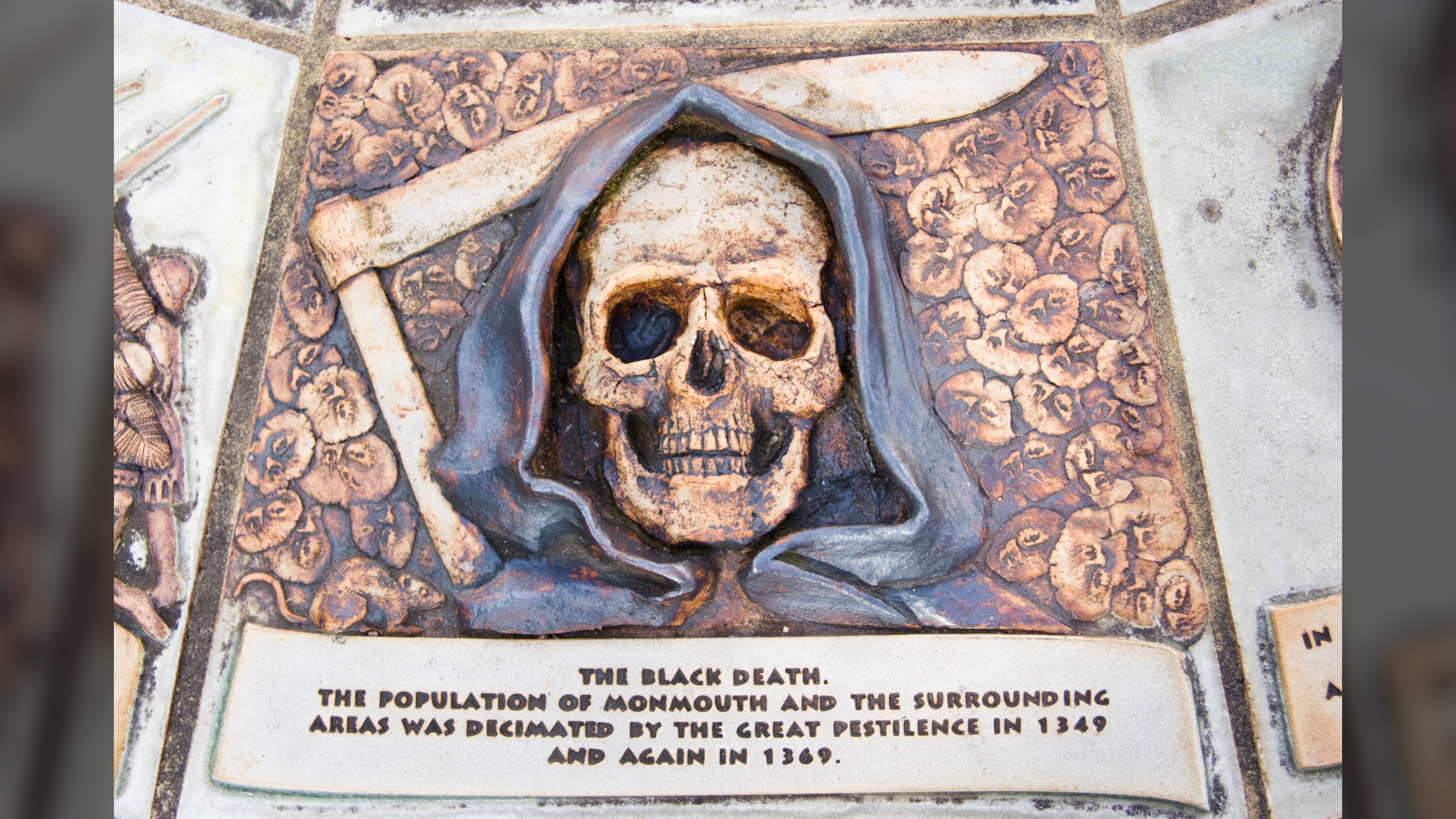
The Black Death‘s Unexpected Origin: How Efforts to Prevent Famine May Have Unleashed a Pandemic
For centuries, the Black Death – one of history’s deadliest pandemics – has been shrouded in mystery.While the bacterium Yersinia pestis is the known culprit, pinpointing why the plague erupted when and where it did has remained a complex puzzle. New research suggests a surprising link: the very efforts to prevent famine in 14th-century europe may have inadvertently paved the way for the devastating outbreak.
A climate Crisis and a Grain Shortage
The story begins not with rats and fleas, but with volcanoes. A massive eruption around 1345 CE triggered years of unusual weather patterns across Europe. These included intense rainfall and widespread crop failures, leading to a severe grain shortage.
Italy, heavily reliant on local harvests, was particularly vulnerable. to avert widespread famine, Italian merchants were forced to look further afield for supplies – specifically, to the grain-producing regions around the Black Sea. This reliance on imported grain, while necessary for survival, would have unforeseen consequences.
The Unintentional Arrival of a Deadly passenger
According to a recent study, those returning trade fleets didn’t just bring grain back to Mediterranean ports like Venice. They also carried a far more sinister cargo: Yersinia pestis, the bacterium responsible for the plague. Researchers believe the bacteria traveled via fleas that thrived in the grain dust during the long sea voyages.
The timing was critical. Just weeks after the grain ships docked, the first human cases of plague began to appear in Venice. This initiated a classic infection cycle:
* Rodents were infected first.
* As rodent populations died off, fleas sought new hosts.
* Ultimately, those hosts became other mammals - and, tragically, humans.
A Perfect Storm of Circumstances
Importing grain averted a Mediterranean-wide famine, but it also introduced the Black Death into Europe. This wasn’t a simple cause-and-effect relationship, however.It was a confluence of short-term and long-term factors.
“This study brings in new facts on the 1345 volcano, which helps explain why the Black Death happened when it did,” explains Monica H. Green, an autonomous scholar specializing in the Black Death, who wasn’t involved in the research. Though, she emphasizes that the plague’s spread was also dependent on pre-existing conditions. “It happened how it did – with a ‘plague infrastructure’ of rodents and insect vectors already established – becuase local reservoirs had already been established.”
Understanding the Past to Prepare for the Future
The Black Death’s origins highlight the complex interplay between climate,trade,and disease. It wasn’t just about the arrival of the bacterium; it was about a vulnerable population, a disrupted food supply, and a well-established network for the plague to spread.
This rare combination of factors underscores a crucial point: understanding the causes of past pandemics is vital. As the researchers note, the risk of zoonotic diseases – those that jump from animals to humans - emerging and triggering new pandemics is highly likely to increase in our increasingly globalized and warming world.
What can you do?
While you can’t control global climate patterns or trade routes, staying informed about emerging infectious diseases and supporting public health initiatives are crucial steps in preparing for future challenges. Learning from the past, like the story of the Black death, is the best defense against the pandemics of tomorrow.
Resources:
* Monica H. Green’s Google Scholar Profile
* Cambridge Core Article on Plague History





![Coach Outlet Sale: Bags & Jewelry Under $100 | [Month, Year]](https://i0.wp.com/akns-images.eonline.com/eol_images/Entire_Site/20251229/edf8813d-8e36-410a-b31c-82d62b15e065_1767030026.jpg?resize=150%2C100&ssl=1 "Coach Outlet Sale: Bags & Jewelry Under $100 | [Month, Year]")

