
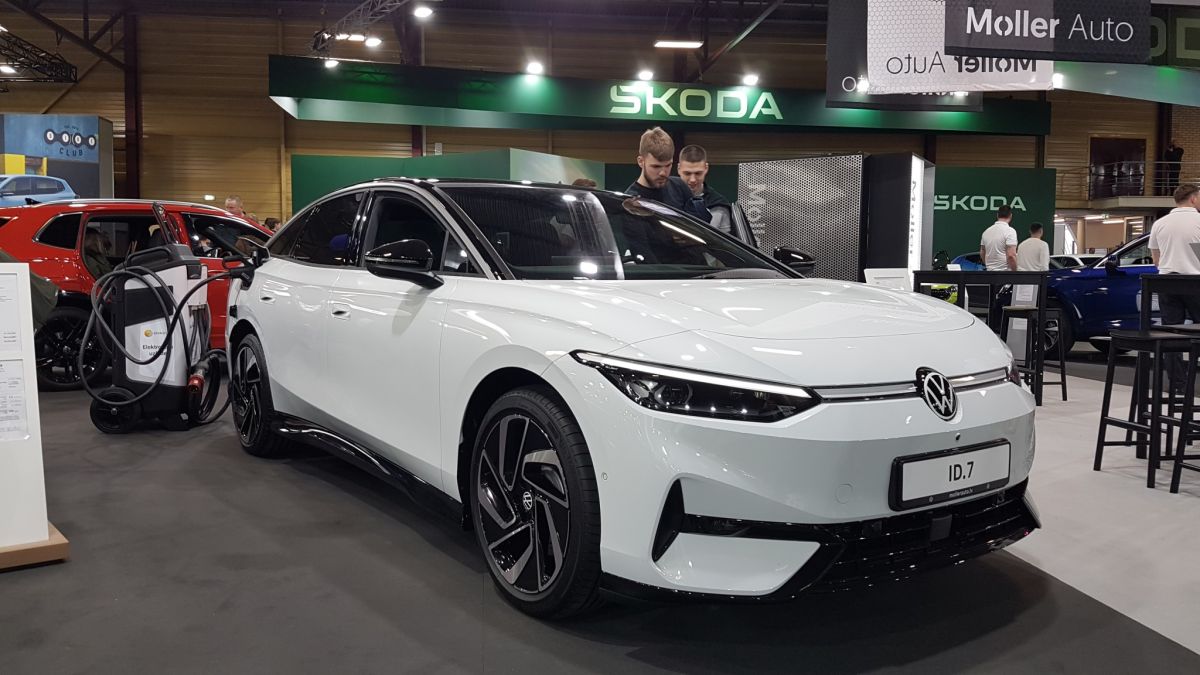
Did You Know? Global electric vehicle (EV) sales are projected to reach 45 million units annually by 2030,representing a significant shift in the automotive industry.
The automotive landscape is undergoing a dramatic transformation, and electric vehicle sales are at the forefront of this change. Last year witnessed a substantial surge in deliveries of battery electric vehicles (bevs) from the Volkswagen Group and its affiliated brands, reaching nearly one million units globally – a 32% increase compared to the previous year. This growth signifies a pivotal moment as EVs now account for over 10% of the group’s total vehicle deliveries, even with a slight overall decrease in total vehicle sales to 8.98 million units.
The Rise of Electric Vehicles: A Global Overview
The most significant gains in EV adoption were observed in Europe, where sales jumped by an impressive 66%, totaling approximately 744,000 units. However, the story isn’t uniform across all regions. Sales figures in both China and the United States experienced a downturn, influenced by factors like intensifying competition, the imposition of tariffs, and the reduction of government subsidies. These challenges highlight the complex dynamics at play in the global EV market.
I’ve found that understanding these regional nuances is crucial for any automotive business. The incentives and competitive pressures vary greatly, requiring tailored strategies for each market.
Volkswagen Group Brand Performance
Looking at individual brand performance, Volkswagen itself led the charge, delivering around 382,000 electric vehicles in 2025. Strong results were particularly evident in Germany and across Europe,boosted by the popularity of the ID.7 model. Cupra also demonstrated considerable success, selling nearly 80,000 electric vehicles, with BEVs now representing almost a quarter of the brand’s total volume.
Pro Tip: When considering an EV, don’t just look at the purchase price. Factor in potential savings on fuel and maintenance,as well as available tax credits and incentives.
This shift towards electric mobility isn’t just about environmental concerns; it’s also about technological innovation and evolving consumer preferences. the demand for longer ranges, faster charging times, and more affordable options is driving manufacturers to invest heavily in research and development.
Navigating the Challenges and Opportunities in the EV Market
The current EV market presents both significant opportunities and considerable challenges. The reduction in subsidies, such as, can impact affordability for some consumers. However, this is often offset by decreasing battery costs and increasing production efficiency.
Here’s what works best: manufacturers are responding by offering a wider range of EV models at different price points, catering to a broader customer base. We’re also seeing increased investment in charging infrastructure, which is essential for widespread EV adoption.
| Region | EV Sales Growth (2025 vs. 2024) | Total EV Sales (Approximate) |
|---|---|---|
| Europe | 66% | 744,000 units |
| China | Decline | data Not Specified |
| United States | Decline | Data Not Specified |
| global | 32% | 983,000 units |
Understanding the Factors Driving Electric Vehicle Sales
Several key factors are contributing to the growth of electric vehicle sales. these include:
* Government Regulations: Increasingly stringent emission standards are pushing automakers to invest in EVs.
* consumer Demand: Growing awareness of environmental issues and the benefits of EVs is driving consumer demand.
* Technological Advancements: Improvements in battery technology are increasing range and reducing charging times.
* Falling Battery Costs: Lower battery costs are making EVs more affordable.
* Expanding Charging Infrastructure: The availability of more charging stations is alleviating range anxiety.
Accelerating EV Adoption: What’s Next?
Looking ahead, the automotive industry is poised for even more significant changes. We can expect to see further advancements in battery technology, the development of more elegant charging infrastructure, and the emergence of new business models centered around electric mobility.
As the market matures, competition will likely intensify, leading to even more innovation and lower prices. The future of transportation is undoubtedly electric,




