
Cracking the Code? New cipher Brings Us Closer to understanding the Mysterious Voynich Manuscript
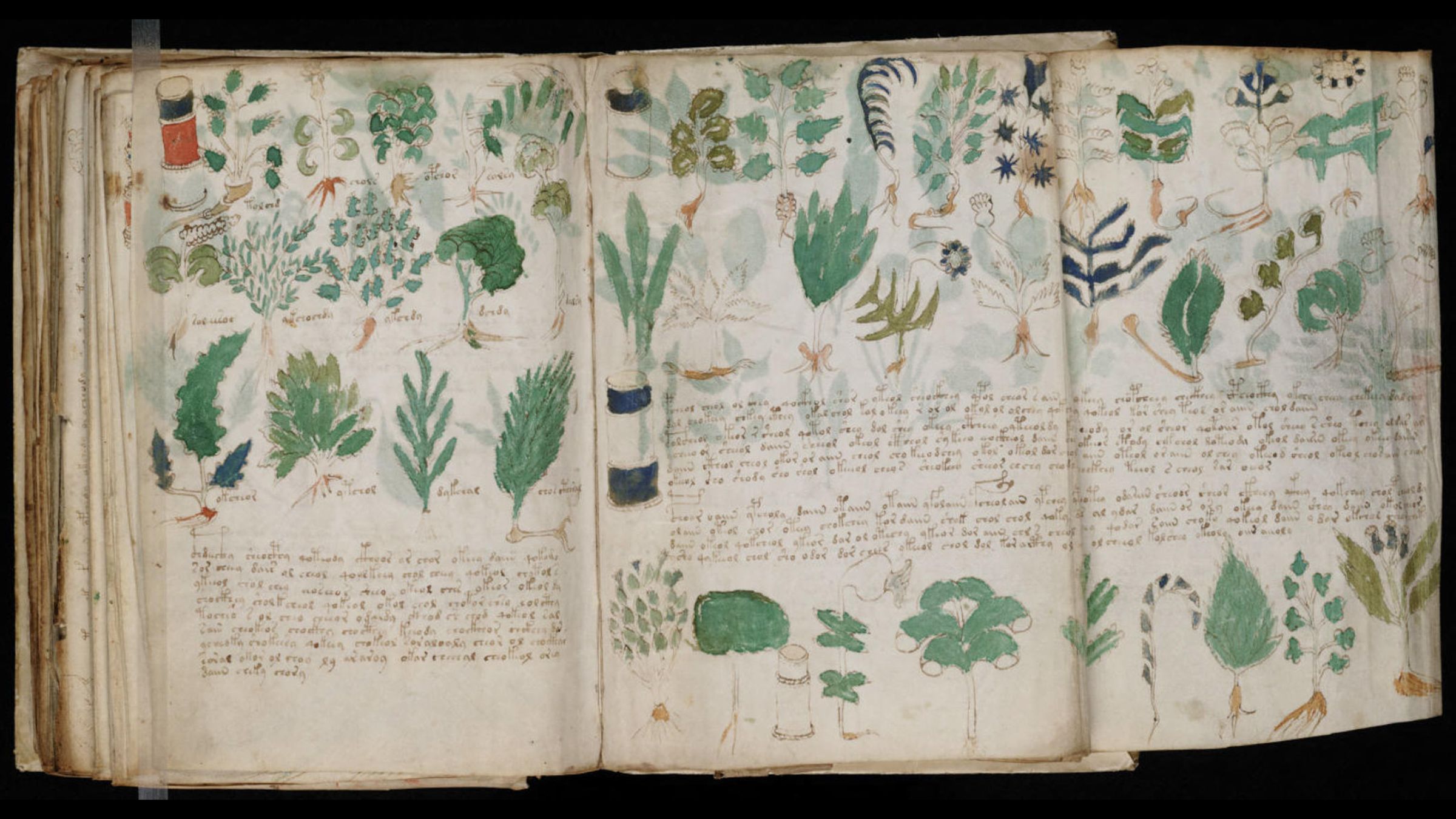
for over a century, the Voynich manuscript - a bizarre, illustrated codex written in an unknown script – has captivated and confounded scholars. Is it a complex hoax, a lost language, or something else entirely? A recent breakthrough in cipher technology offers a compelling new perspective, bringing us a step closer to possibly unlocking its secrets.
The Enduring mystery of Voynichse
The 240-page manuscript, dating back to the early 15th century, is filled with strange botanical illustrations, astronomical diagrams, and what appears to be written text in a wholly unique writing system, dubbed “Voynichse.” despite decades of intense scrutiny by cryptographers, linguists, and amateur sleuths, the text remains stubbornly undeciphered.
Many theories have emerged, ranging from elaborate forgeries to a sophisticated encoding of a known language. While the idea of a decipherable language persists, concrete progress has been elusive – until now.
Introducing the Naibbe Cipher: A New Approach
Greg greshko, a researcher exploring computational linguistics, has developed a cipher called “Naibbe” that remarkably mimics the statistical properties of Voynichse. This isn’t a claim to have cracked the code, but rather a presentation of how such a code could have been created using technology available in the 15th century.
The Naibbe cipher doesn’t translate to a specific meaning, but it generates text that shares key characteristics with the Voynich manuscript, including:
* Glyph frequencies: The relative occurrence of different symbols closely mirrors that of Voynichse.
* “Word” length: The average length of sequences of characters is similar.
* Grammatical rules: Certain structural patterns found in the manuscript are replicated.
As Greshko explains, the Naibbe cipher provides a “fully documented way to reliably go between Latin and something that behaves kind of like the Voynich manuscript.” It’s a blueprint for creating a convincingly complex, yet ultimately artificial, text.
A Hand-Doable Cipher: Dice, Cards, and randomness
Greshko intentionally designed the cipher to be achievable with the tools of the time. He deliberately chose dice and playing cards as sources of randomness. he considered using tokens drawn from a bag, but recognized that playing cards were already widespread in europe during the manuscript’s creation.
This focus on ancient feasibility is crucial. It suggests that if the voynich manuscript is a cipher, it wasn’t created using advanced mathematical techniques, but rather a clever, low-tech method.
A Benchmark for Future Research
While the Naibbe cipher doesn’t perfectly replicate all aspects of Voynichse, Greshko believes the discrepancies are valuable. He hopes it will become a “computational benchmark” for future research.
By analyzing the differences between the cipher and the manuscript, researchers may gain insights into how the original text was actually constructed. These differences could hold the key to understanding the underlying principles of the Voynich code.
Expert Perspectives: A Valuable Contribution, But Not a Definitive Solution
René Zandbergen, a renowned Voynich manuscript expert, praised Greshko’s work as a significant contribution. He emphasized that greshko isn’t claiming to have solved the mystery, but rather demonstrating the possibility of creating a similar text.
“He just demonstrates that such a method can be found, and we may assume that there might potentially be others,” Zandbergen noted.
Zandbergen remains agnostic about the manuscript’s meaning, acknowledging the possibility it could be a hoax. He points out the difficulty in imagining how such a complex deception could have been executed.
The ongoing Debate: Meaning or Mirage?
The Voynich manuscript continues to spark debate. Is it a genuine attempt at communication, a complex puzzle, or an elaborate fabrication?
The Naibbe cipher doesn’t provide a definitive answer, but it does offer a valuable new tool for inquiry. It reminds us that the solution to this centuries-old mystery may lie not in complex cryptography, but in a surprisingly simple, historically plausible method.
Ultimately,the Voynich manuscript remains a testament to human ingenuity - whether that ingenuity was used to create a





![Safer Opioid Alternative: New Pain Relief Discovery | [Year]](https://i0.wp.com/www.sciencedaily.com/images/1920/pain-relief-dial-control.webp?resize=330%2C220&ssl=1 "Safer Opioid Alternative: New Pain Relief Discovery | [Year]")


