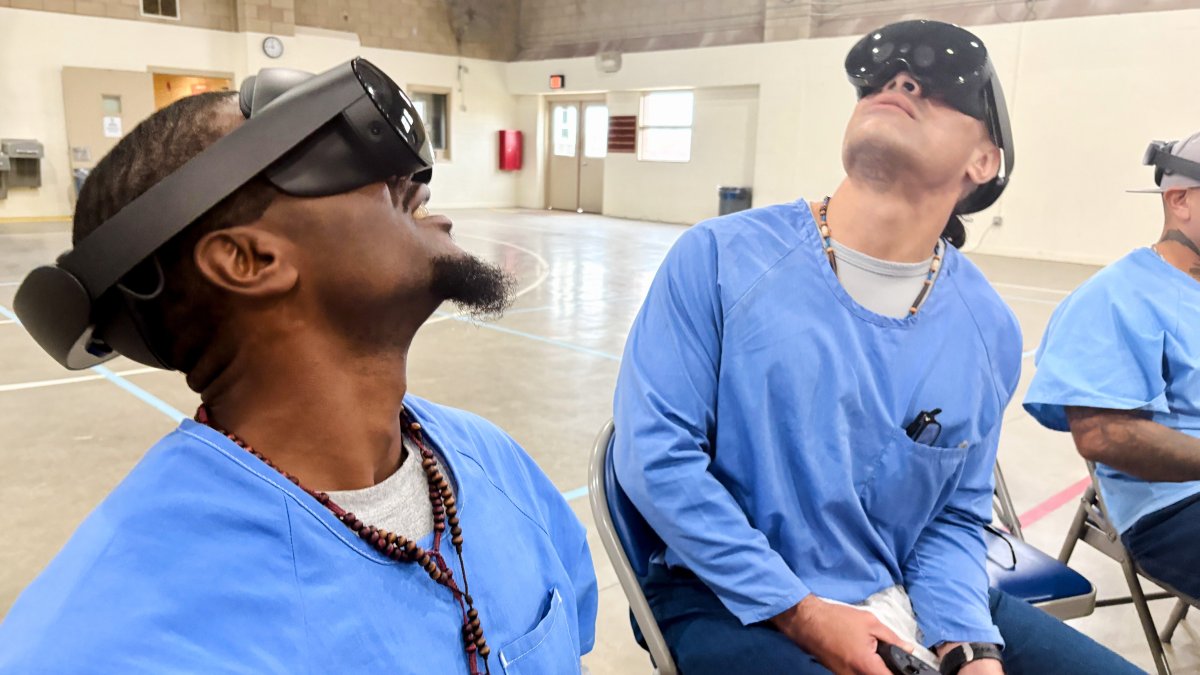
Imagine experiencing Thailand without ever leaving a prison cell. For some incarcerated individuals in California, this is now a reality, thanks to the innovative use of virtual reality (VR) rehabilitation programs.Jacob Smith, a long-term inmate, vividly recalls his frist virtual journey, a trip to the vibrant landscapes of Southeast Asia, demonstrating the transformative power of this technology.
The promise of Virtual Reality in Correctional Facilities
A Los Angeles-based nonprofit institution is spearheading the integration of VR technology into California’s correctional system.Thier primary goal extends beyond simply offering a momentary escape; it’s about equipping inmates with the skills and experiences necessary for successful reintegration into society. this initiative addresses a growing need for innovative approaches to prisoner rehabilitation, particularly as the world rapidly evolves.
During a recent week-long program at Valley State Prison near Fresno, incarcerated men were given the possibility to explore new worlds. Equipped with VR headsets, resembling sleek goggles, they were transported to immersive environments, from the bustling streets of Bangkok to realistic job interview simulations. The experience was visibly impactful, with many displaying smiles and subtle reactions as they navigated these virtual spaces.
These simulations aren’t just about sightseeing.A crucial component focuses on practical life skills. Inmates participate in mock job interviews, facing both supportive and challenging virtual interviewers. This preparation is vital, as Smith points out, acknowledging that the workforce has changed and things are different with the application process
. He, who is eligible for parole in 2031, now actively assists his peers in navigating the VR experience.
Did You Know? According to a 2024 report by the Prison Policy Initiative, approximately 1.9 million people are incarcerated in the United States. Innovative rehabilitation programs like this are increasingly crucial for reducing recidivism rates.
Beyond the Simulation: Processing and Support
The VR experience isn’t simply about immersion; it’s about processing the emotions and memories it evokes. Following each session, trained volunteers provide support, helping inmates navigate any difficult feelings or traumas that may surface. Sab