La Vuelta Disrupted: Protests, Politics, and a Cycling Race Cut Short
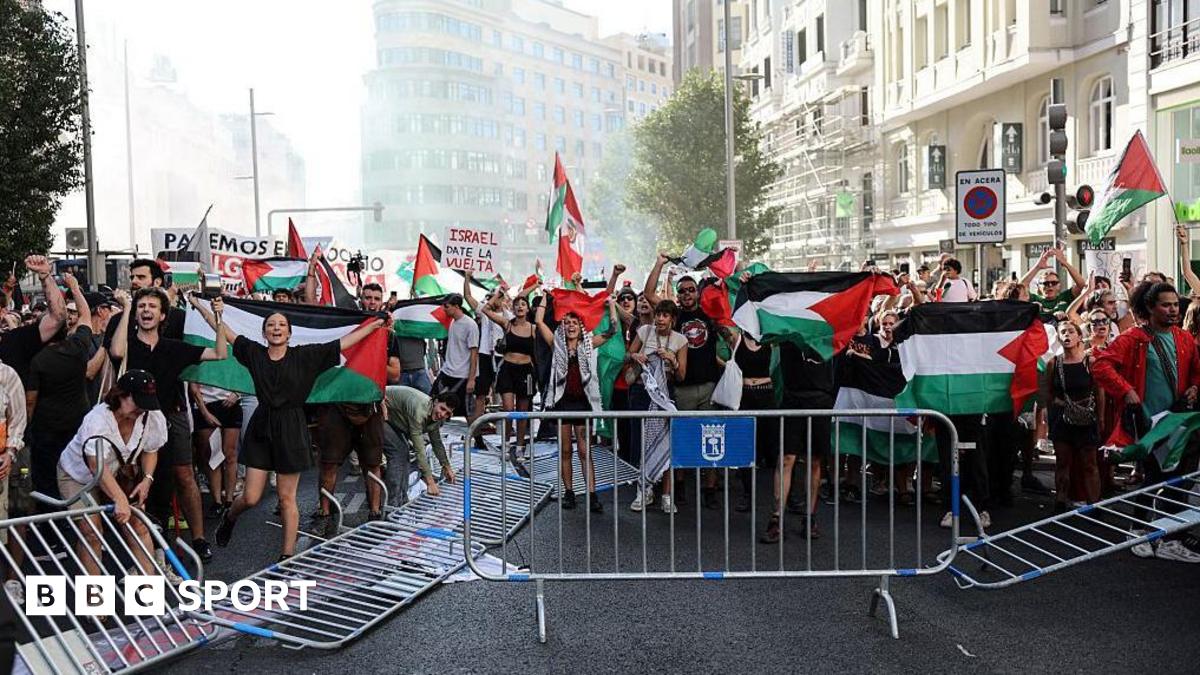
The final stage of the Vuelta a España cycling race descended into chaos on Sunday, ultimately being abandoned due to protests related to the ongoing conflict in Gaza. This unprecedented disruption has sparked a political firestorm in Spain, with accusations flying between government officials and raising serious questions about the intersection of sports and political activism.
A Moment of Celebration Lost
Jonas Vingegaard, the overall winner, expressed his disappointment. “It’s a pity that such a moment of eternity was taken from us,” he stated, lamenting the lost opportunity to celebrate with his team and fans. He acknowledged the right to protest but emphasized it shouldn’t endanger the race or its participants.
The race’s conclusion was already altered, having been shortened from 111.6km to 103.6km prior to the abandonment. Organizers had quietly removed a section that would have passed through the Aravaca neighborhood of Madrid, likely anticipating potential disruption.
Escalating Protests and Confrontations
Following the race’s cancellation, clashes erupted between protesters and police. Reports indicate protesters threw bottles of water and other objects at law enforcement officials.These demonstrations are directly linked to the recent escalation of violence between Israel and Hamas.
The Gaza Conflict: A Catalyst for Action
The protests are a direct response to the Israeli military campaign in Gaza, launched after the Hamas-led attack on southern Israel on October 7, 2023.That attack resulted in approximately 1,200 deaths and the taking of 251 hostages.
Since then, the Hamas-run health ministry in Gaza reports at least 64,871 people have been killed in israeli attacks.This escalating humanitarian crisis has fueled widespread protests globally, and now, demonstrably, within a major sporting event.
Political Fallout in Spain
The situation quickly escalated into a political dispute. Spanish Prime Minister Pedro Sanchez publicly expressed admiration for the protesters,stating,”our respect and recognition for the athletes and our admiration for the Spanish people who are mobilising for just causes like Palestine.”
Though, Madrid’s mayor, Jose Luis Martinez-Almeida, vehemently disagreed. He directly blamed Sanchez’s comments for inciting the protests and causing the race’s abandonment, calling it “the saddest day” since he took office.
Furthermore, Israel’s foreign minister, Gideon Saar, condemned Sanchez and his government as a “disgrace” to Spain. He accused the Prime Minister of encouraging the protests and directly linking his statements to the disruption of la Vuelta.
What Does This Mean for the Future?
This incident raises critical questions about the role of sports in the face of global political crises. You can expect increased security measures at future events,and a more robust contingency planning to address potential disruptions.
Here’s what you should consider:
* Increased Security: Expect heightened security protocols at major sporting events worldwide.
* Contingency Planning: Organizers will likely develop more detailed plans to mitigate potential disruptions.
* Political Sensitivity: Athletes and organizers will face increasing pressure to navigate politically charged environments.
* The Power of Protest: This event demonstrates the potential for protests to impact even high-profile international events.
Ultimately, the cancellation of La Vuelta’s final stage serves as a stark reminder of how deeply interconnected sports, politics, and global events have become.It’s a situation that will undoubtedly be debated and analyzed for some time to come.